Ingredient Decoded / Fats And Essential Fatty Acids
Pumpkin Seeds
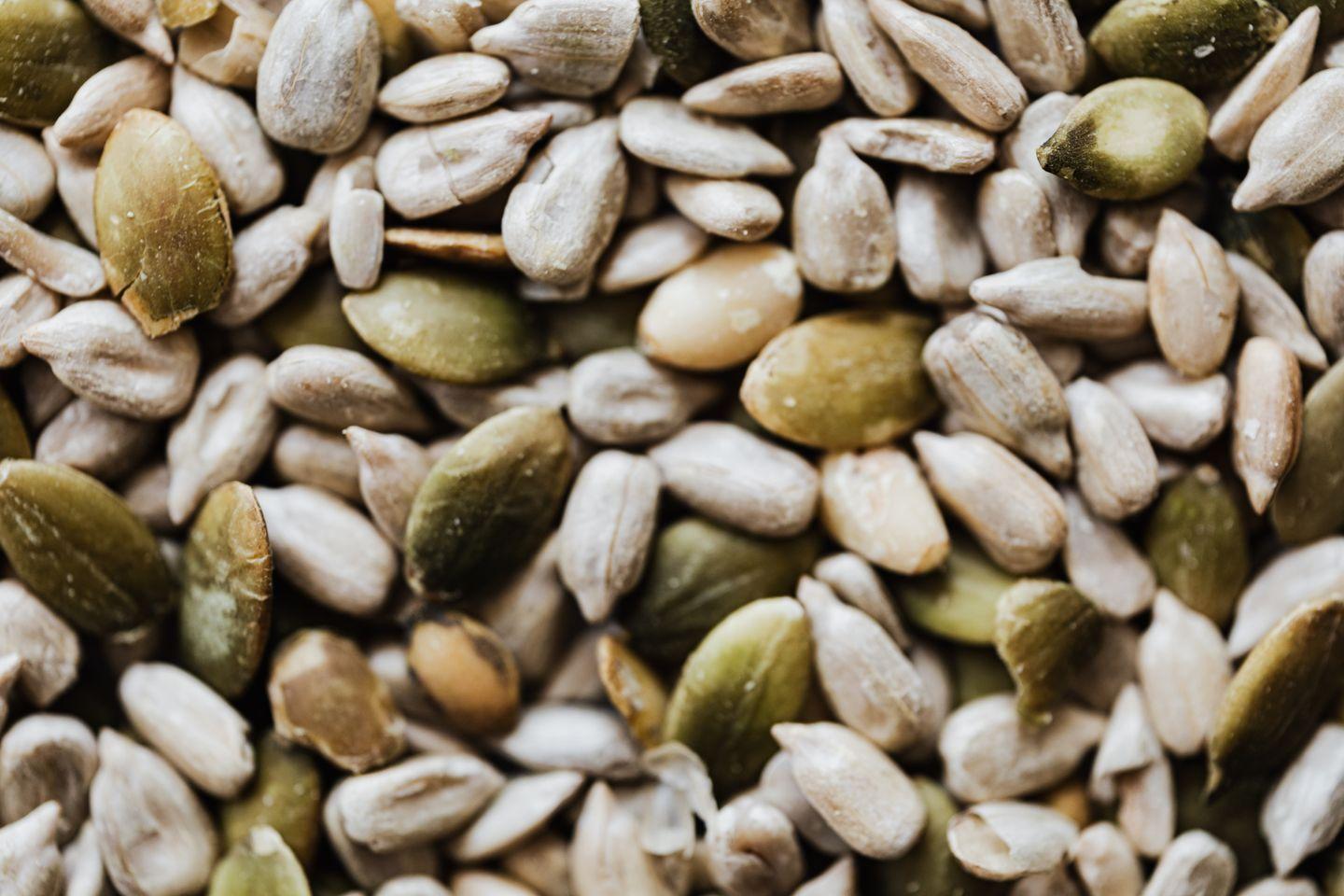
What they are. Pumpkin seeds are the edible seeds of pumpkins and related squash. They contain fat, protein, fibre and minerals. Pumpkin seed meal and pumpkin seed oil are different…
What they are. Pumpkin seeds are the edible seeds of pumpkins and related squash. They contain fat, protein, fibre and minerals. Pumpkin seed meal and pumpkin seed oil are different ingredients with different nutrient profiles.
Nutritional contribution. Whole pumpkin seeds supply energy from fat and some plant protein. They also contain minerals such as magnesium and zinc, although the amount absorbed depends on the food matrix and processing. They are not a complete mineral supplement.
Dogs and cats. Small quantities of plain, unsalted, appropriately prepared seed ingredients may be used in some foods. Whole seeds can be difficult to chew and may present a choking or gastrointestinal risk, especially if fed in large amounts. Cats should not receive seeds as a substitute for a complete diet.
Parasite claims. Pumpkin seeds are sometimes promoted as a natural dewormer because they contain cucurbitacin-related compounds. Reliable clinical evidence does not establish that feeding pumpkin seeds safely or consistently eliminates intestinal parasites in dogs or cats. Use veterinary diagnosis and approved deworming medicines.
The takeaway. Pumpkin seeds are a nutrient-containing food ingredient, not a proven dewormer. Avoid salted or seasoned products and do not replace parasite treatment with seed-based remedies.
References
National Research Council. Nutrient Requirements of Dogs and Cats. National Academies Press, 2006.
Krill oil is extracted from small marine crustaceans called krill. It contains the omega-3 fatty acids EPA and DHA, often alongside phospholipids and the antioxidant pigment astaxanthin. It…
2 min read
Ingredient Decoded / Fats And Essential Fatty Acids
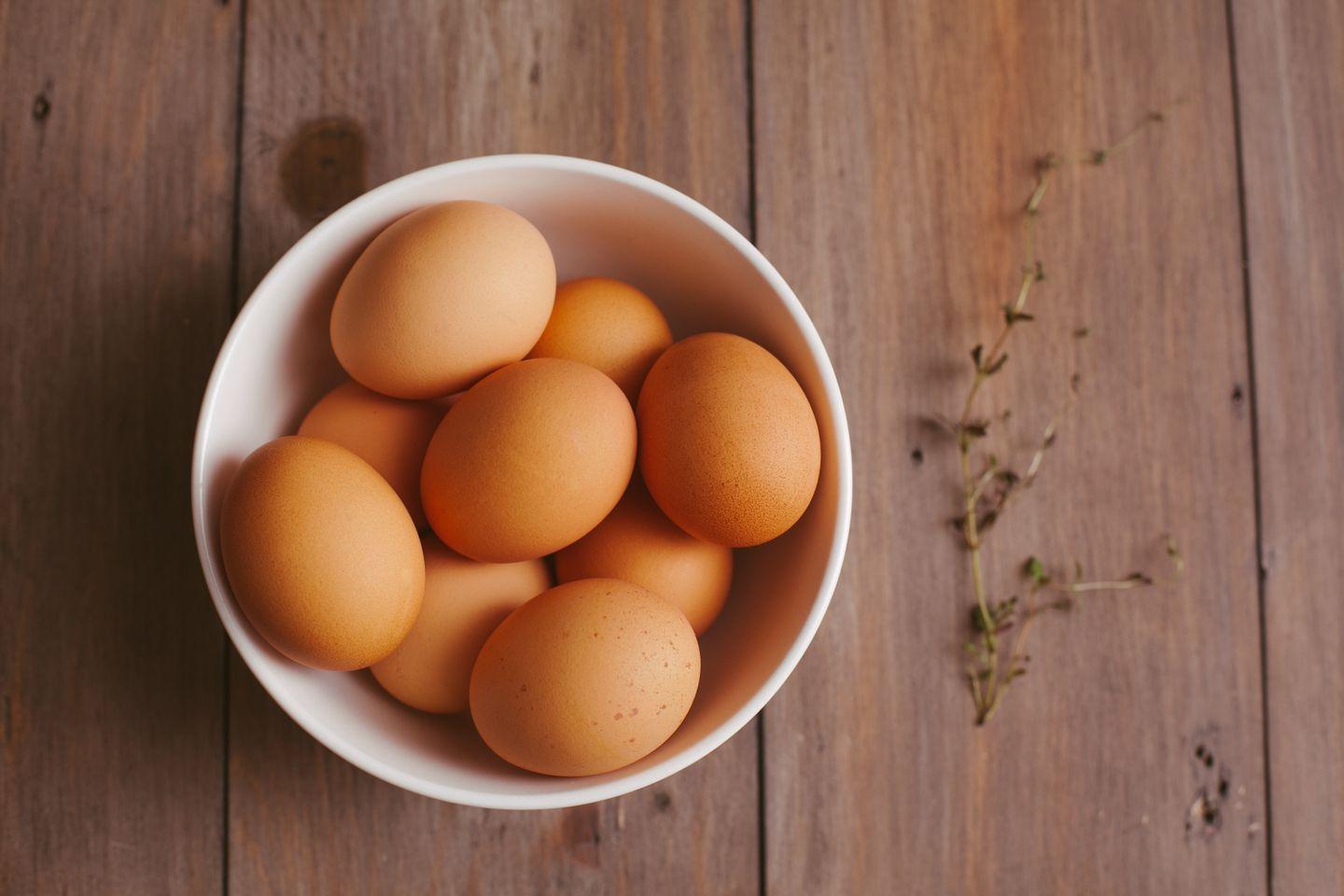
Egg yolk contains fat, protein, choline and several vitamins and minerals. It is also a source of phospholipids, including phosphatidylcholine. In a properly cooked form, egg yolk can be a…
1 min read
Ingredient Decoded / Fats And Essential Fatty Acids
Perilla oil is extracted from seeds of Perilla frutescens and is often rich in alpha-linolenic acid (ALA). ALA contributes to essential fatty-acid intake, but conversion to EPA and DHA is…