Pesticide Residues on Vegetables: Preparing Fresh Food for Pets
Fresh vegetables can add variety to many companion-animal diets, but produce may carry pesticide residues from cultivation, handling or storage. Washing is a sensible precaution, although it…
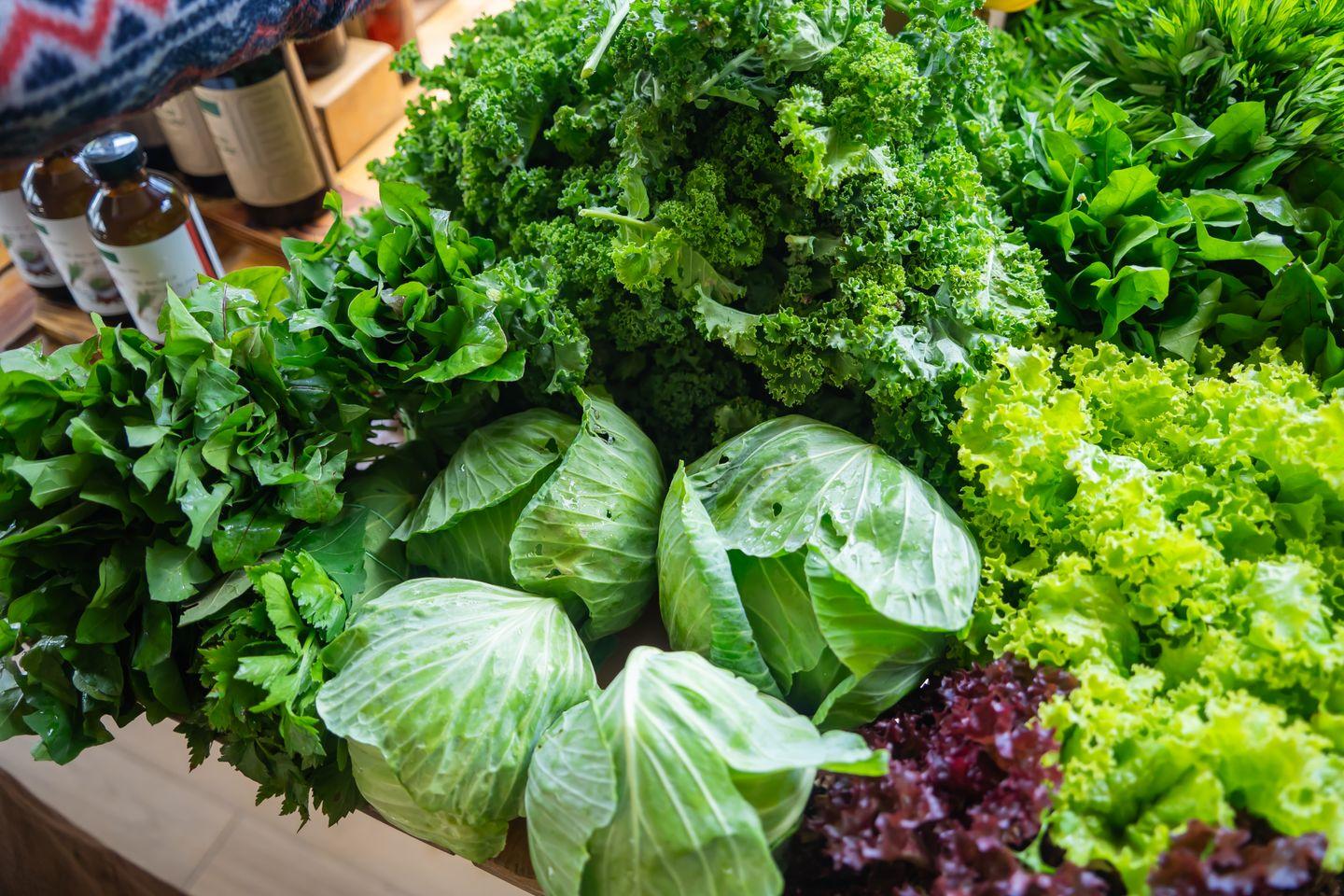
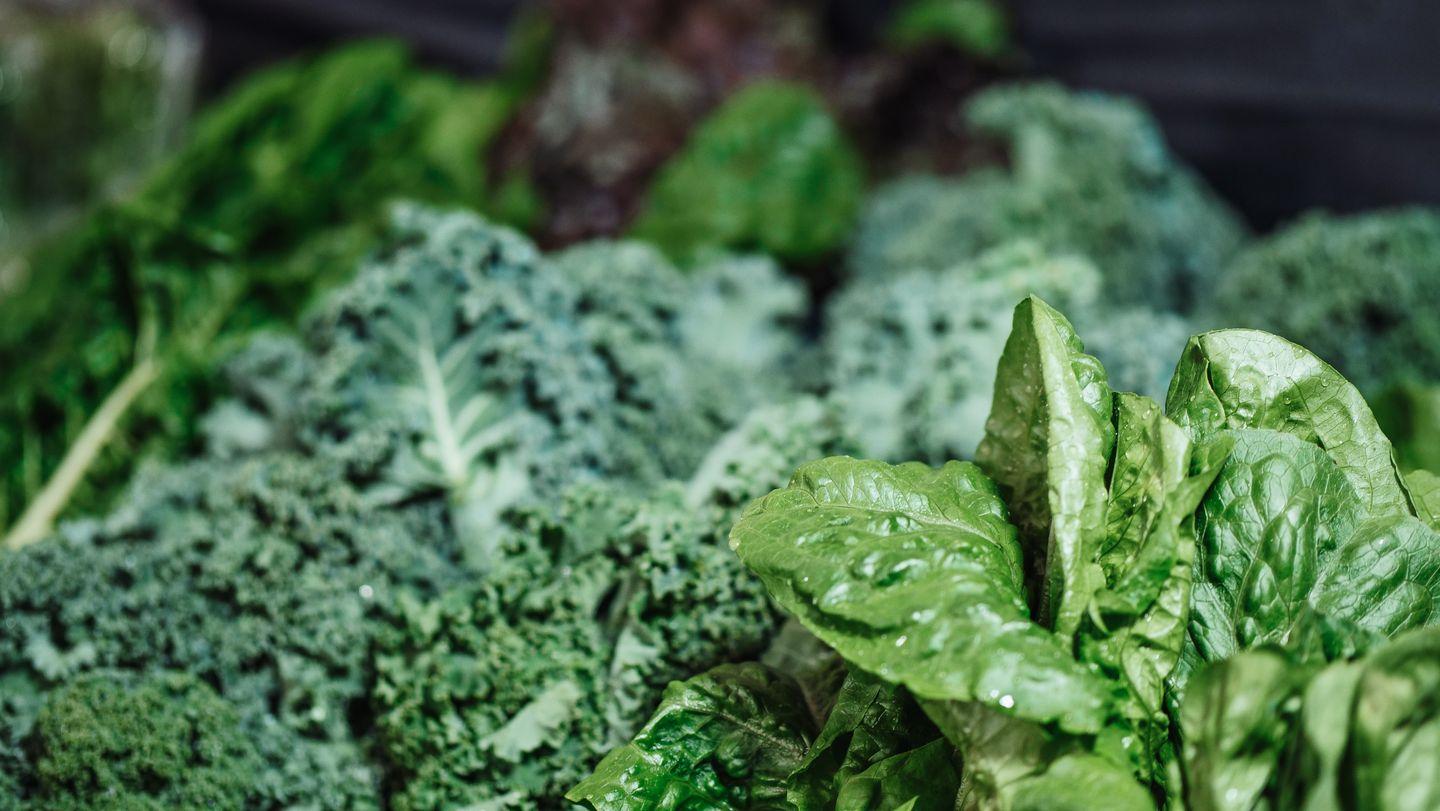
Fresh vegetables can add variety to many companion-animal diets, but produce may carry pesticide residues from cultivation, handling or storage. Washing is a sensible precaution, although it cannot remove every residue or make unsuitable produce safe.
FSSAI advises washing fruits and vegetables under clean running water to reduce surface residues. Its guidance also discusses methods such as peeling or discarding outer leaves for certain produce. These steps are not a guarantee of complete pesticide removal. Systemic pesticides may be present within plant tissues, and different chemicals behave differently.
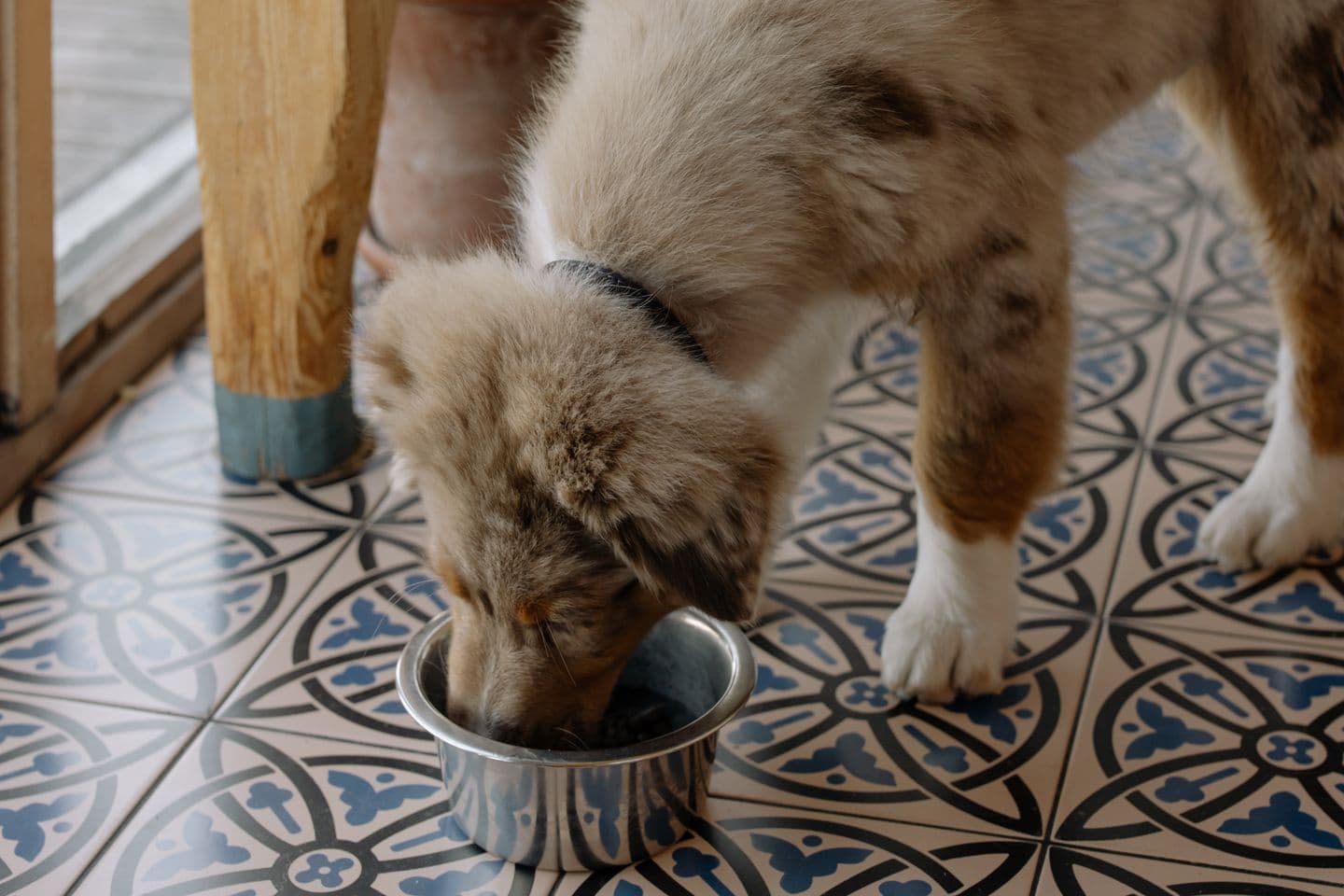
For pets, preparation should be simple. Remove soil and damaged portions, wash produce thoroughly with clean drinking water, and use clean utensils and cutting surfaces. Do not wash pet food with dishwashing liquid, household bleach, floor cleaner or disinfectant. These products can leave residues that may be harmful if ingested.
Avoid collecting roadside plants, ornamental garden leaves or vegetables from recently sprayed areas. Do not assume that home-grown means pesticide-free. Ask about pesticide use if produce comes from a garden or farm where spraying occurs.
The species matters. A vegetable safe for one animal may be unsuitable for another because of differences in digestion, metabolism and toxicity. Washing does not neutralise naturally occurring plant toxins or make an unsafe plant safe.
Offer only foods known to be appropriate for the species, in measured quantities. Remove fresh leftovers promptly to prevent spoilage and insect attraction. If an animal may have eaten pesticide-contaminated produce, contact a veterinarian and provide the product or chemical name if known. Do not induce vomiting or administer home remedies unless instructed by a professional.
Fresh greens can be useful in the diets of several companion species, but safe preparation begins before the food reaches the bowl. Soil, microbes, pesticide residues and spoilage can all…
Protein is essential for tissue growth and repair, enzymes, hormones and many other body functions. On a pet-food label, “crude protein” is an analytical estimate of protein content, not a…
Colours and flavourings can make commercial feeds look or smell more appealing to people or animals. Their presence does not tell us whether a food is nutritionally complete, digestible or…