Washing and Preparing Fresh Greens for Companion Animals
Fresh greens can be useful in the diets of several companion species, but safe preparation begins before the food reaches the bowl. Soil, microbes, pesticide residues and spoilage can all…
Fresh greens can be useful in the diets of several companion species, but safe preparation begins before the food reaches the bowl. Soil, microbes, pesticide residues and spoilage can all affect produce quality.
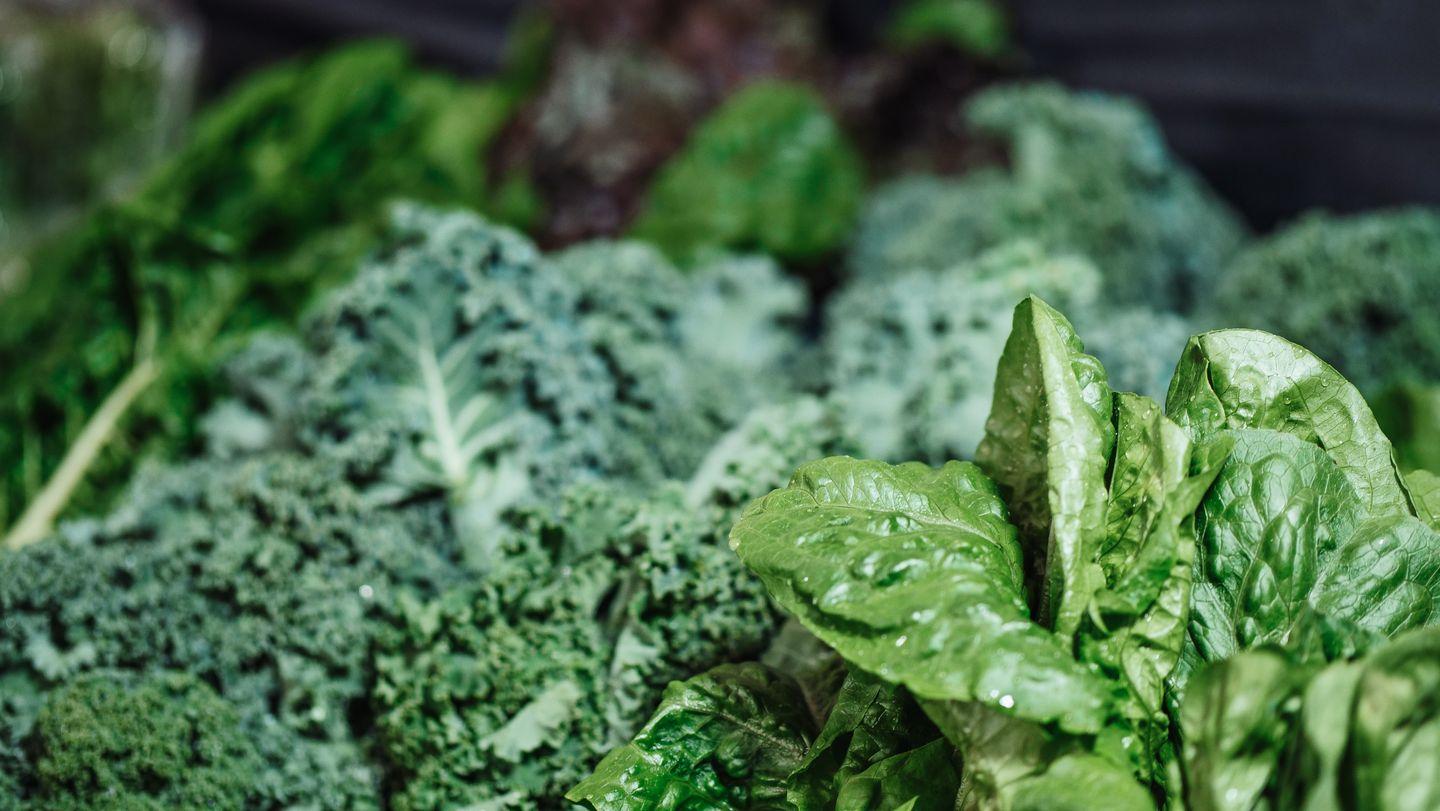
Choose fresh leaves without slime, rot, mould, heavy bruising or a strong off-odour. Remove damaged outer leaves and roots where appropriate. Separate leaves and rinse them under clean running drinking water, gently rubbing the surfaces to dislodge soil. Drain and dry them with a clean cloth or salad spinner. Avoid leaving wet greens in a warm enclosure.
Do not use soap, detergent, bleach or household disinfectant on produce. Such chemicals are not designed to be eaten and may leave harmful residues. Vinegar or salt washes should not be treated as universal sterilisation methods. Follow reliable food-safety advice and rinse produce thoroughly with clean water.
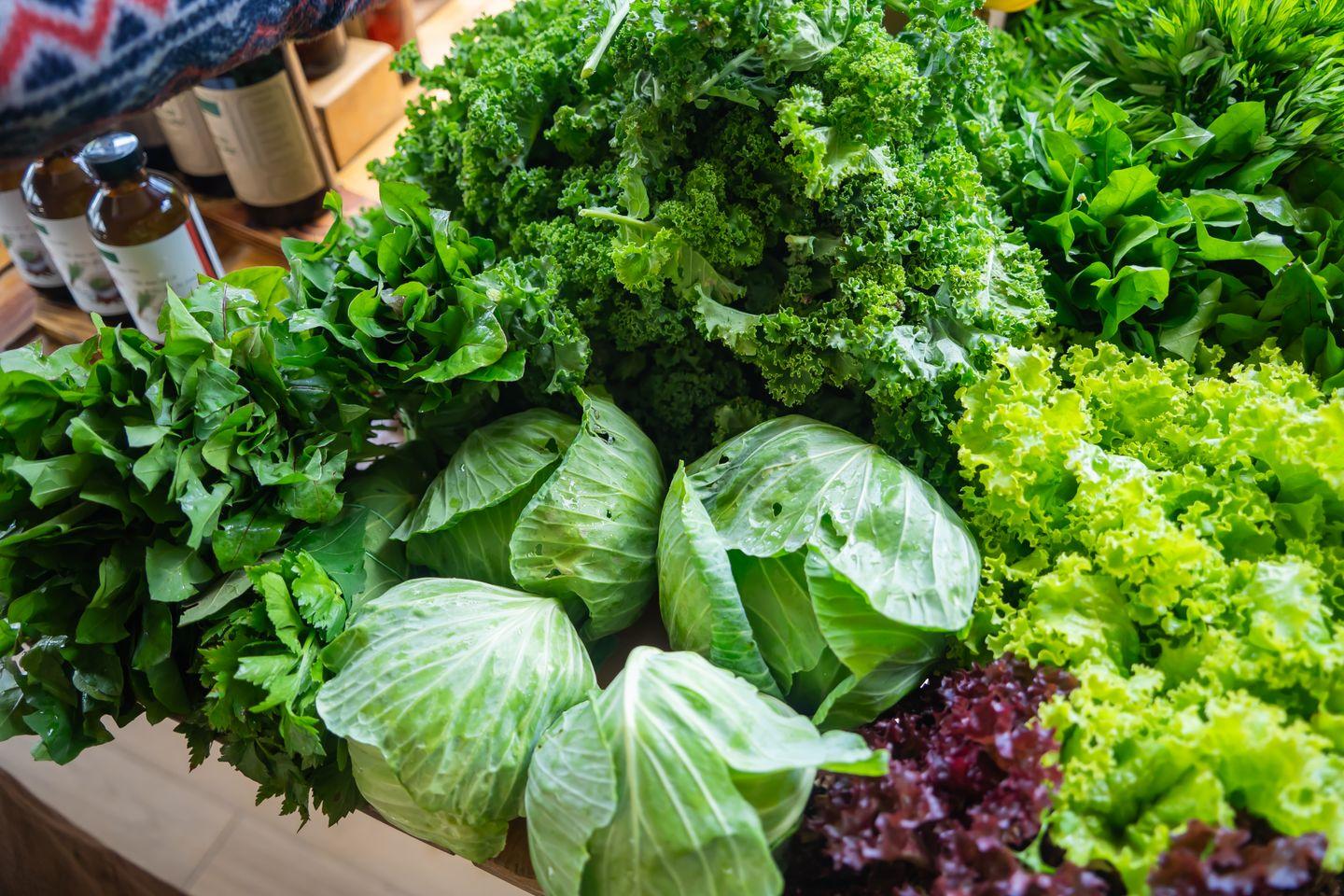
In India, leafy vegetables may arrive with substantial soil or grit, particularly during the monsoon. Wash them carefully and store them chilled in a clean container until use. Do not store wet leaves in a sealed bag for long periods, as trapped moisture encourages decay.
Preparation does not determine whether a plant is suitable for every pet. Spinach, for example, has a different nutrient profile from lettuce; a herb appropriate for a tortoise may not be appropriate for a bird or rodent. Check species-specific guidance before offering a new plant.
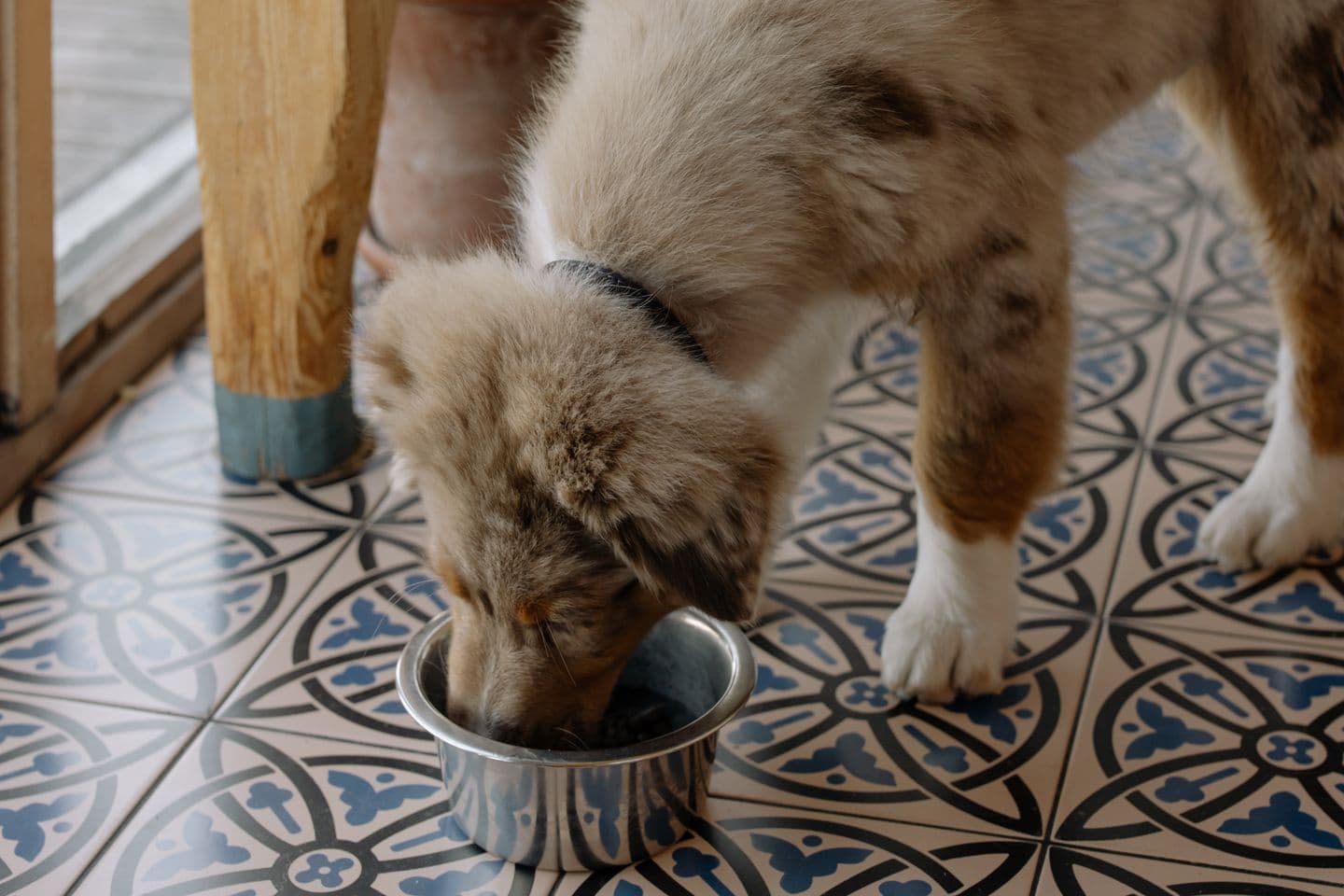
Cut greens to a manageable size and offer a measured portion. Remove uneaten food promptly. If a pet develops diarrhoea, loss of appetite or unusual behaviour after a new food, stop offering it and seek veterinary advice.
A pet that develops itching, vomiting, diarrhoea or food refusal after eating may be experiencing an adverse food reaction. However, not every digestive upset is an allergy, and not every…
Fresh vegetables can add variety to many companion-animal diets, but produce may carry pesticide residues from cultivation, handling or storage. Washing is a sensible precaution, although it…
Supplements can be useful when an animal has a diagnosed deficiency, a life-stage requirement or a medical condition that changes nutrient needs. They are not automatically beneficial simply…