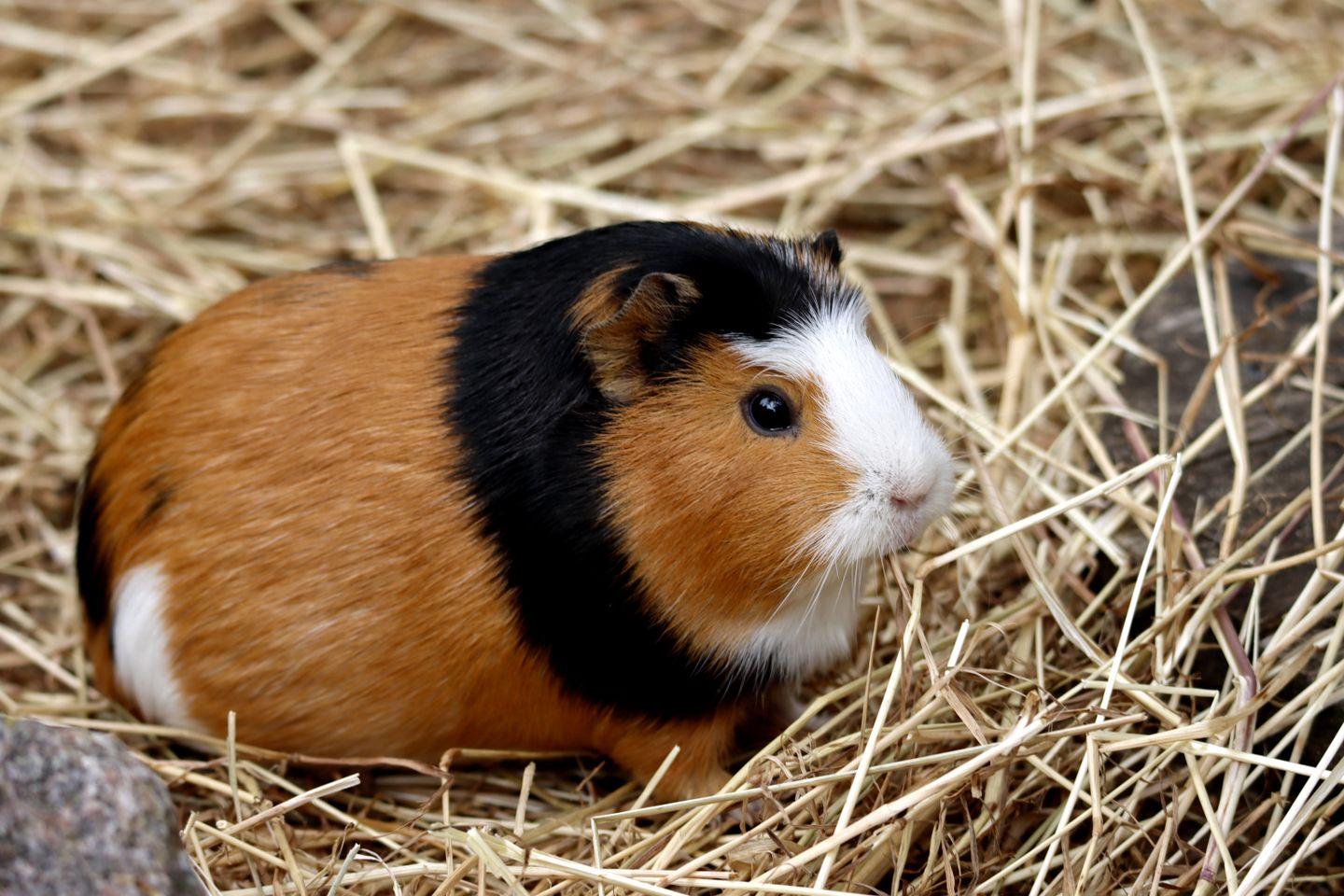
Beet pulp is the fibrous material left after sugar is extracted from sugar beet. It can be used as a fibre ingredient in some formulated animal feeds, but it is not long-stem hay and should…
Beet pulp is the fibrous material left after sugar is extracted from sugar beet. It can be used as a fibre ingredient in some formulated animal feeds, but it is not long-stem hay and should not be purchased as a stand-alone guinea-pig food. If it appears in a commercial pellet, its role must be considered within the complete formulation. Do not use cattle or horse beet-pulp products as a substitute for guinea-pig pellets or hay. In India, check that any complete feed is explicitly formulated for guinea pigs. Long-stem grass hay remains essential for fibre intake and chewing.
References
MSD Veterinary Manual, Housing and Nutrition of Guinea Pigs (reviewed 2025); MSD Veterinary Manual, Diet for a Guinea Pig (reviewed October 2025).
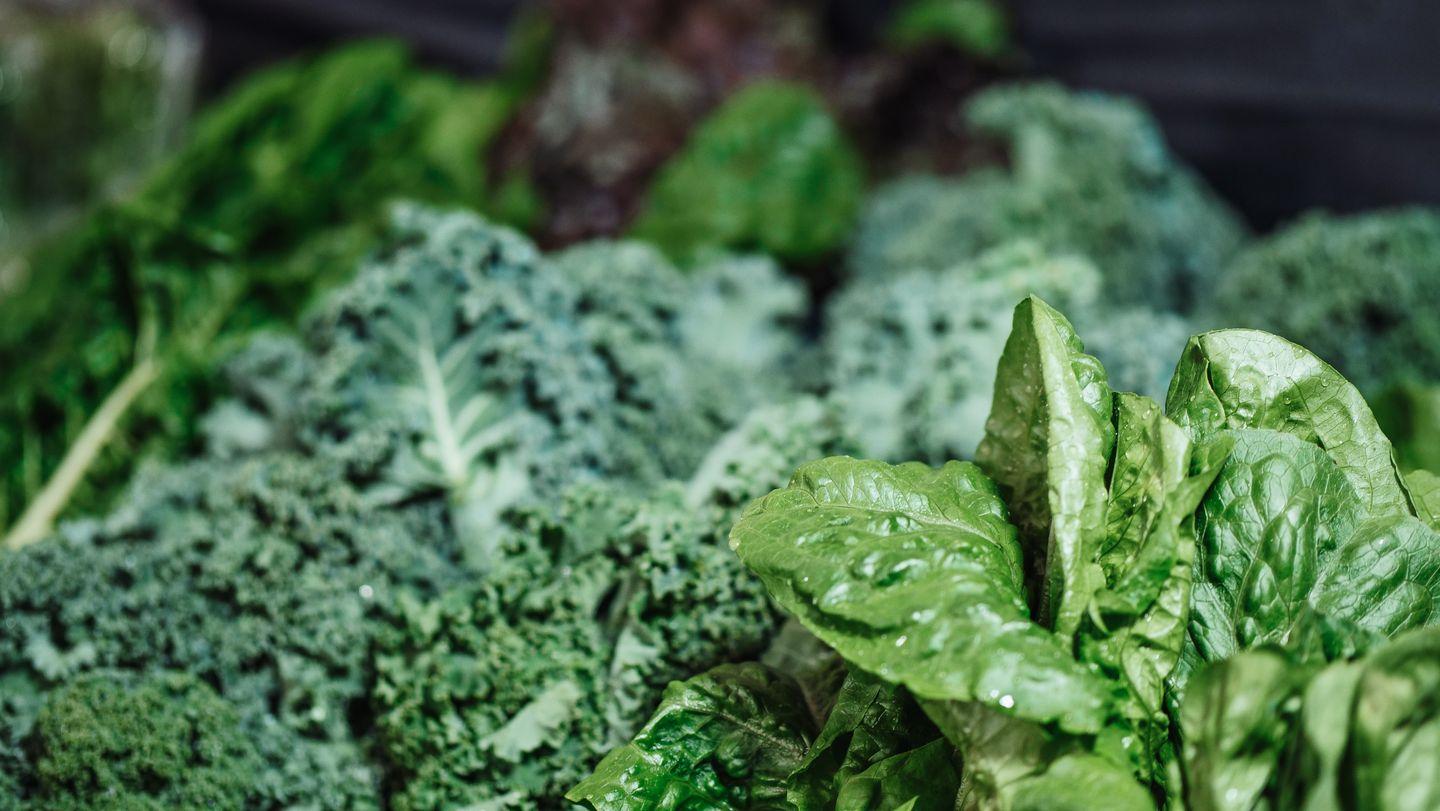
Spinach contains vitamin C and other nutrients, but it is also a relatively calcium-rich leafy vegetable. Veterinary feeding guidance advises that high-calcium greens such as spinach should…
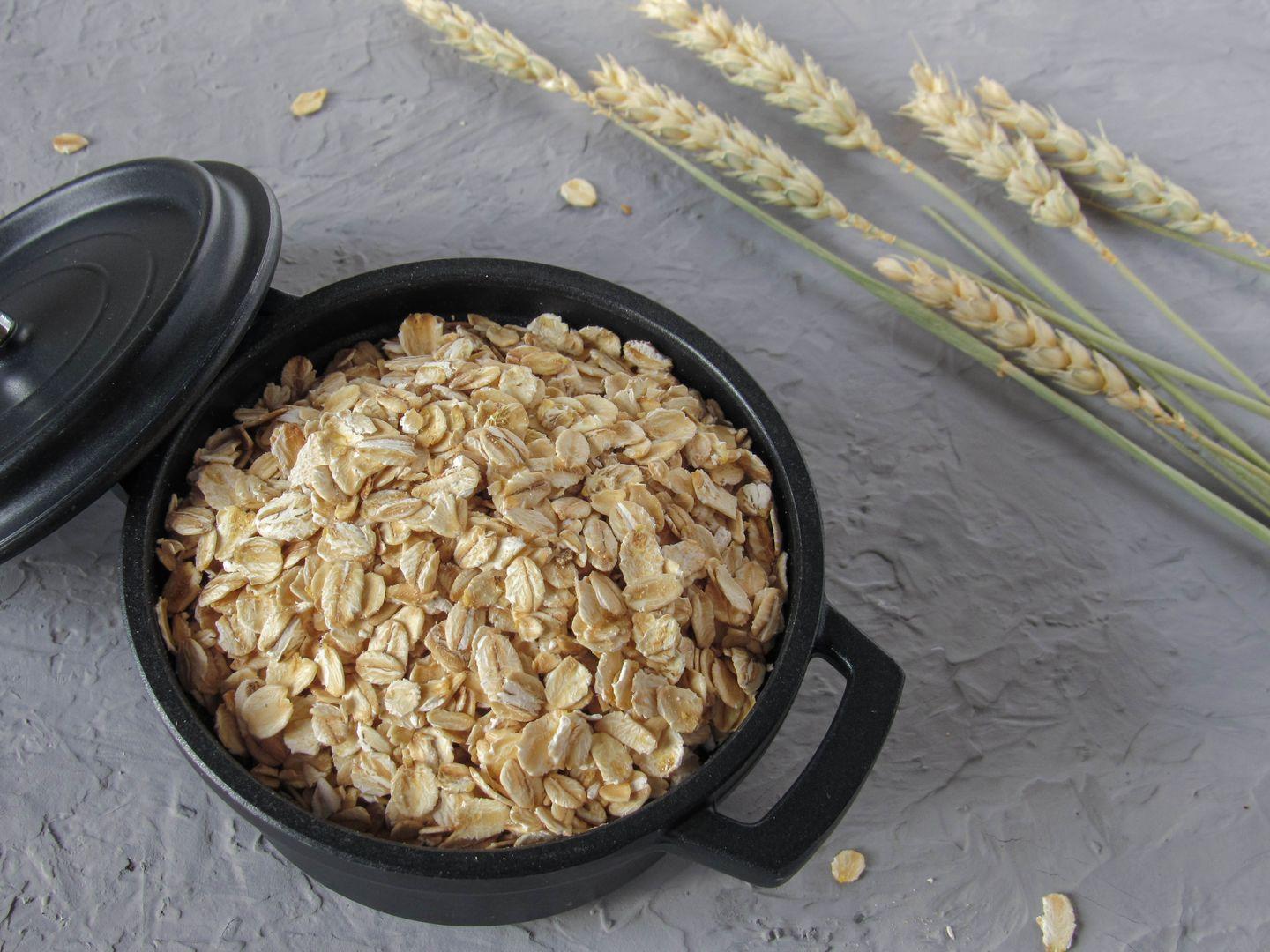
Oat groats and rolled oats are grains, not substitutes for grass hay. They contain starch and energy, and routine additions can displace the high-fibre forage guinea pigs need. Plain human…
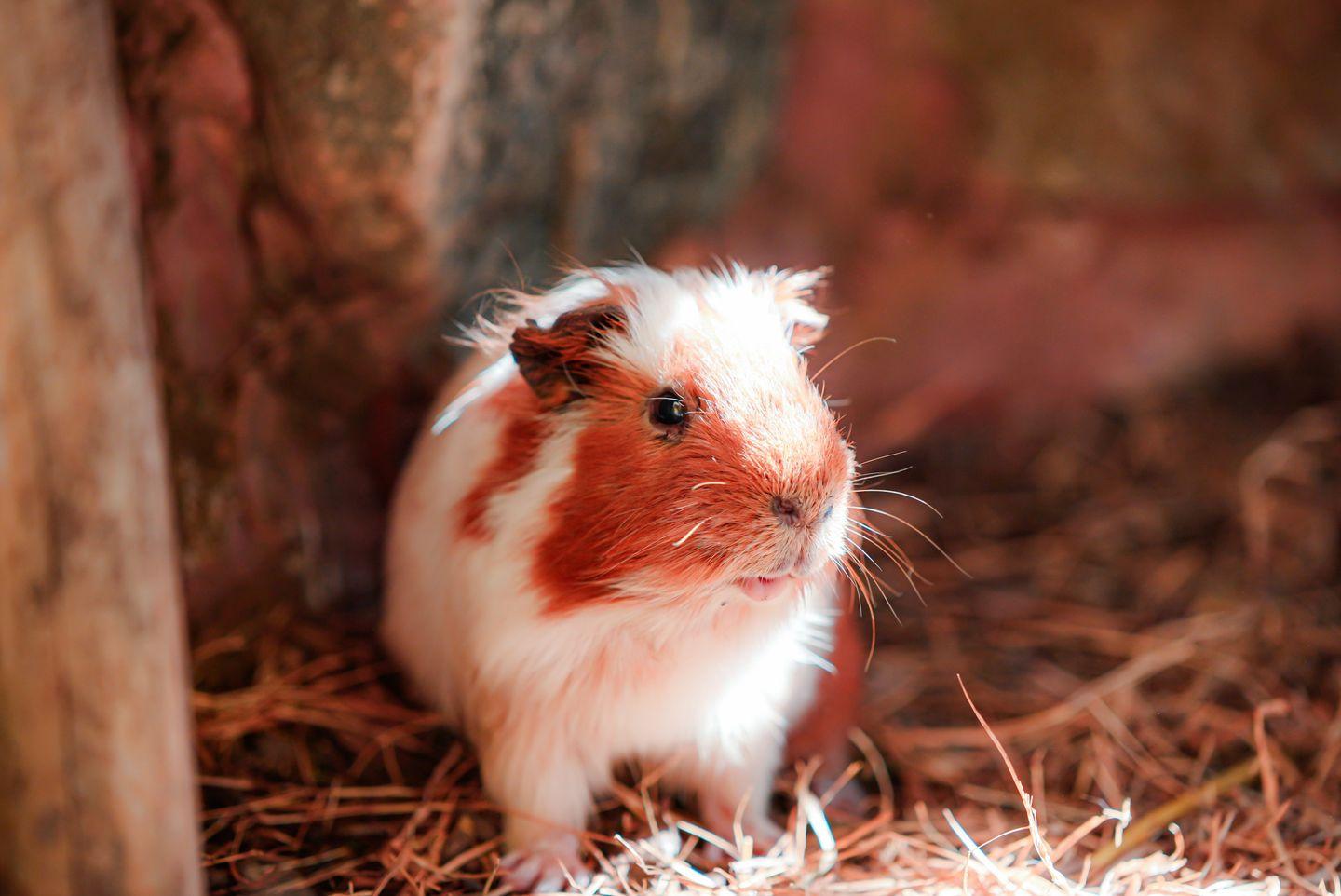
Wheatgrass is the young shoot of wheat and is grown or sold in some Indian cities. A small amount of clean, pesticide-free whole wheatgrass may be offered as a fresh green, but there is…