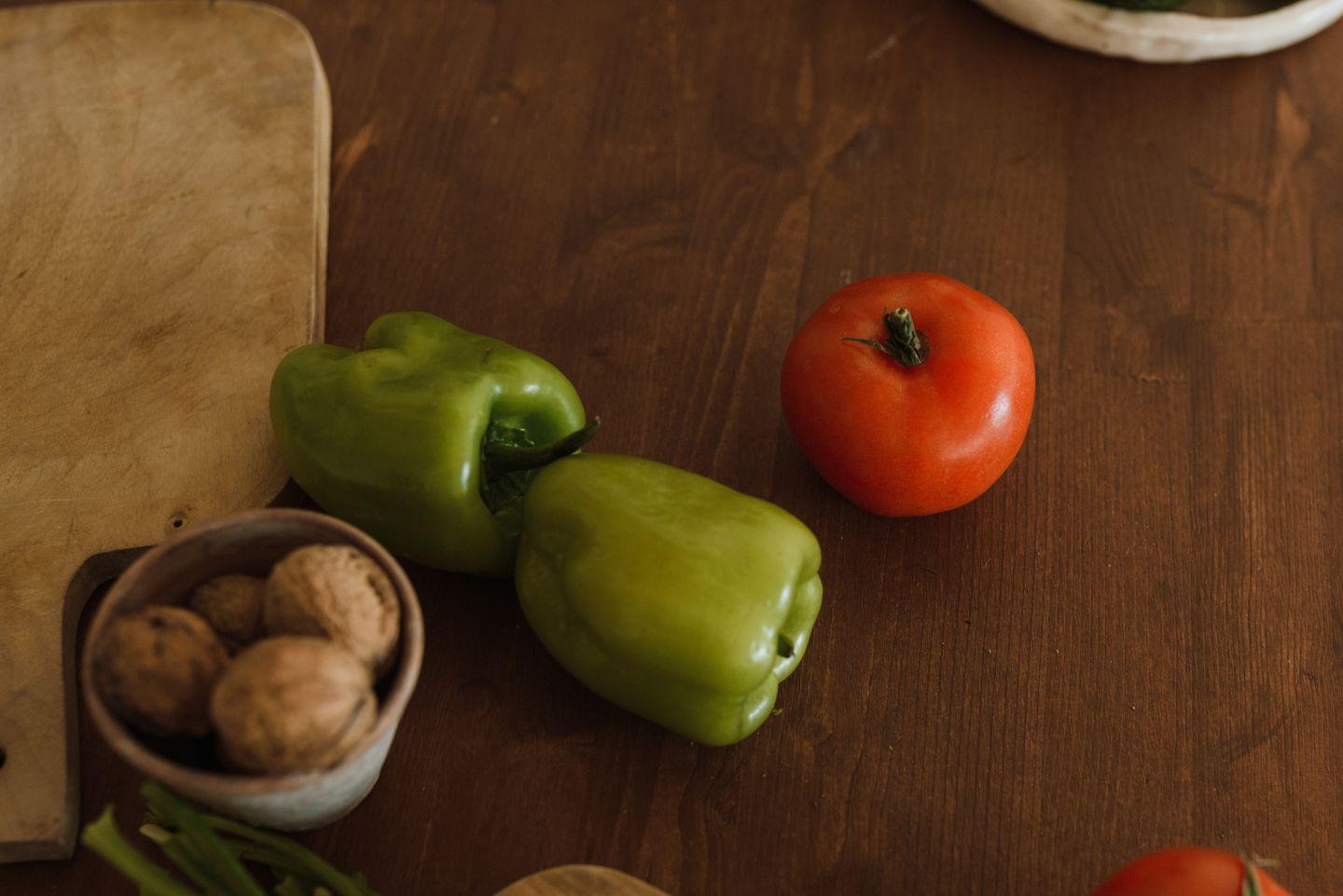
Green capsicum can be offered to many companion birds as one component of a varied vegetable selection. Wash it, remove the stem and offer a small amount of fresh flesh, chopped to a…
Green capsicum can be offered to many companion birds as one component of a varied vegetable selection. Wash it, remove the stem and offer a small amount of fresh flesh, chopped to a suitable size. Do not add salt, oil or seasoning. It supplies water and some micronutrients but is not a complete food. Introduce it gradually and observe acceptance and droppings. There is limited evidence for precise portions across all companion-bird species, so avoid presenting a single quantity as universally safe or necessary.
References
Merck Veterinary Manual, “Management of Pet Birds” (online veterinary reference); Merck Veterinary Manual, “Nutrition in Psittacines” (last updated July 2026); Merck Veterinary Manual, “Nutritional Diseases of Pet Birds” (last updated June 2026); Association of Avian Veterinarians, “Basic Care for Companion Birds” (client handout).
Evidence note: These sources provide general avian nutrition and husbandry guidance. They do not establish ingredient-specific clinical benefits or universal feeding quantities for this food across all companion-bird species.
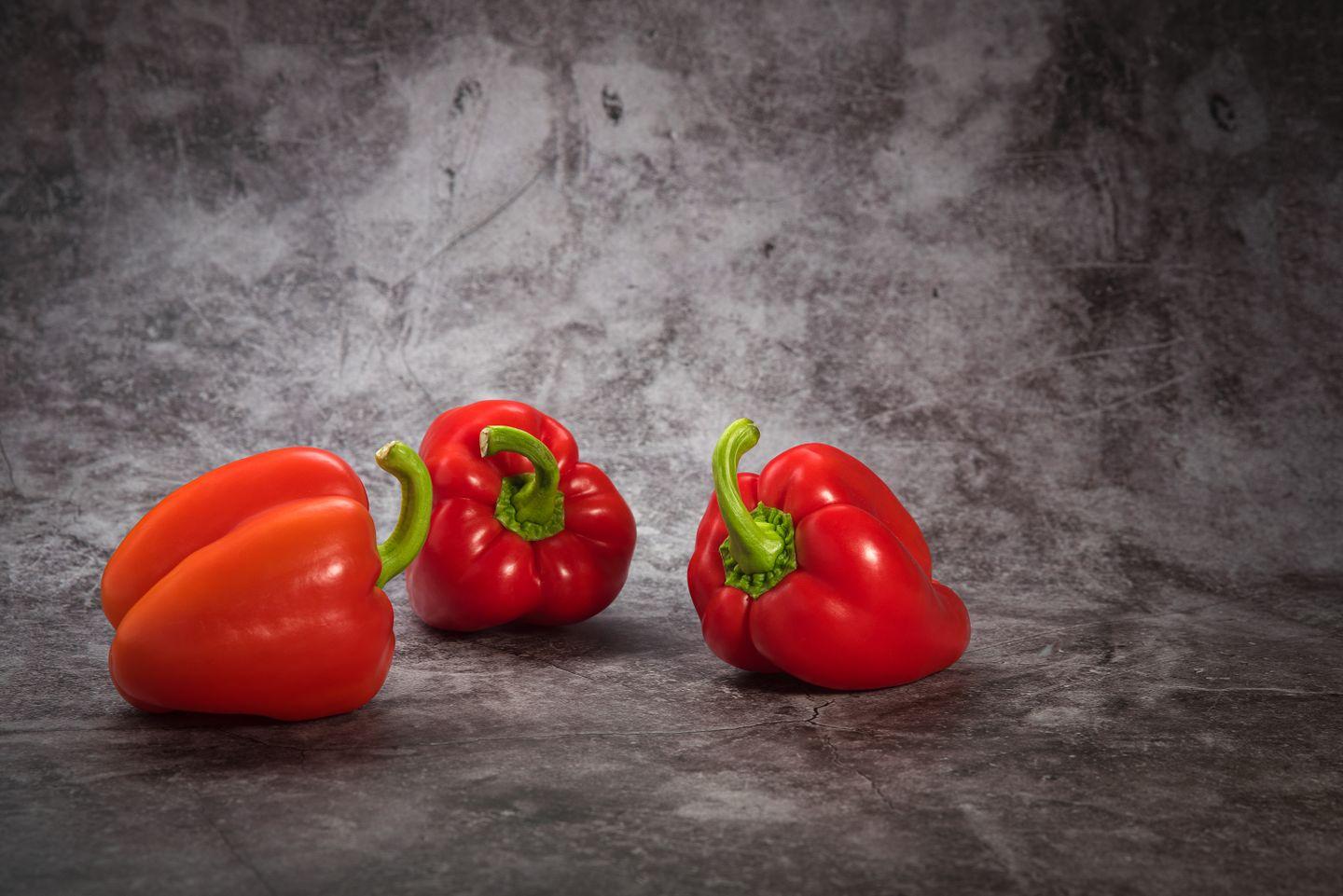
Red capsicum can add colour and variety to a companion bird’s vegetable selection. It contains carotenoid pigments, including provitamin A compounds, but should not be treated as a complete…
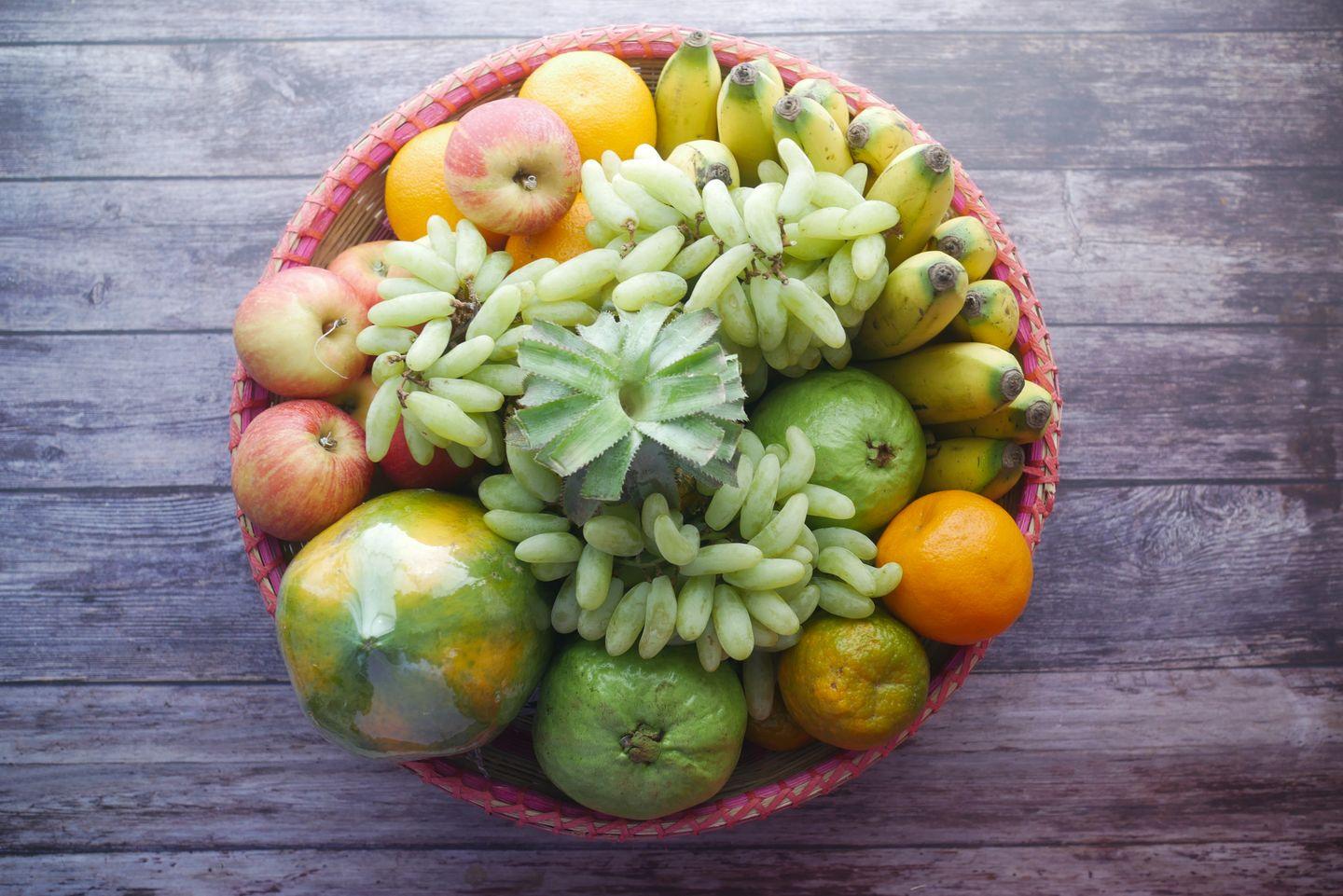
Guava is widely available in India and may be offered in small portions to many fruit-eating companion birds. It supplies moisture, fibre and vitamin C, but fruit should generally be a…
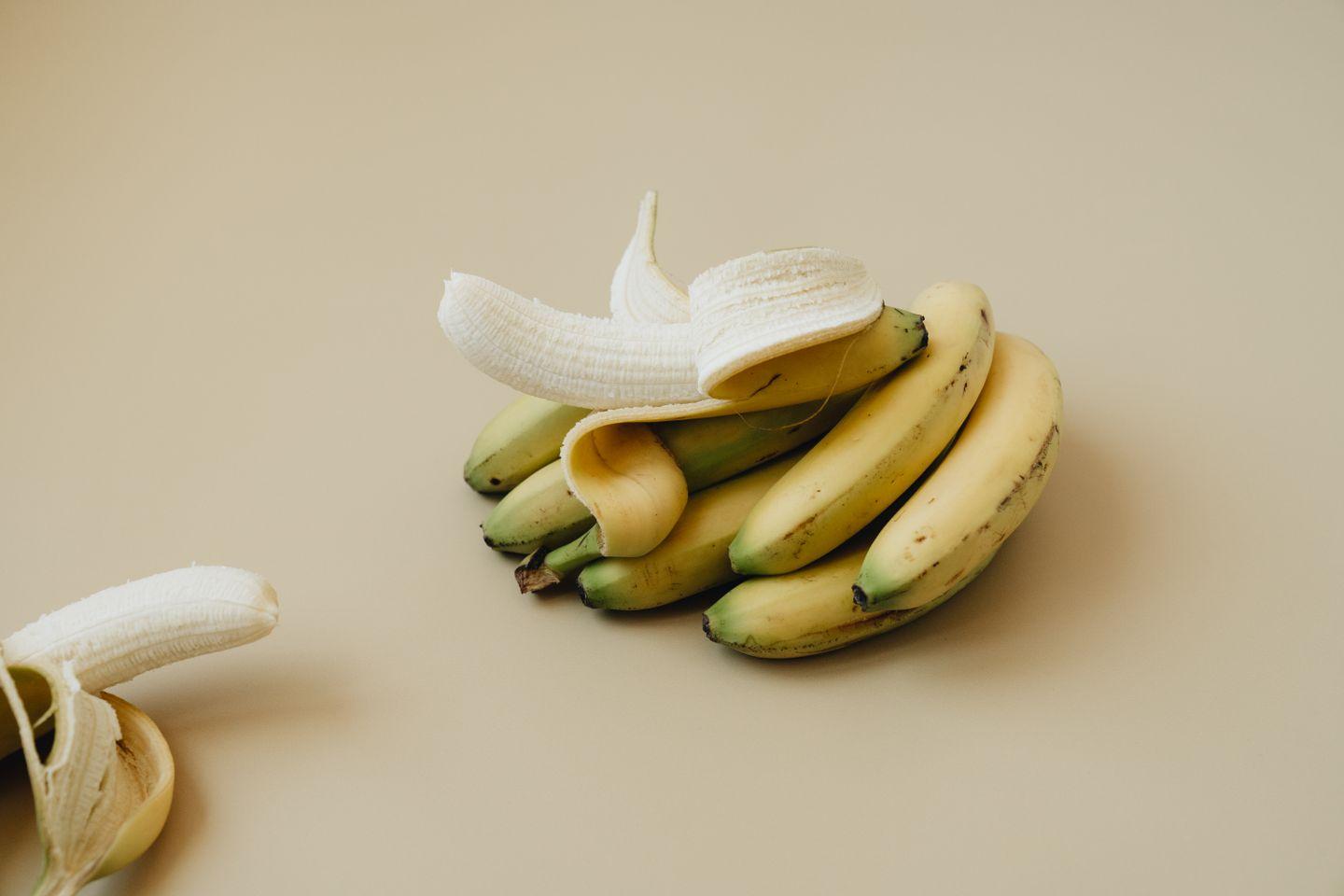
Banana is a fruit that some companion birds readily accept. It supplies carbohydrate and potassium, but it is energy-dense compared with many vegetables. Offer a small piece occasionally and…