Red capsicum can add colour and variety to a companion bird’s vegetable selection. It contains carotenoid pigments, including provitamin A compounds, but should not be treated as a complete…
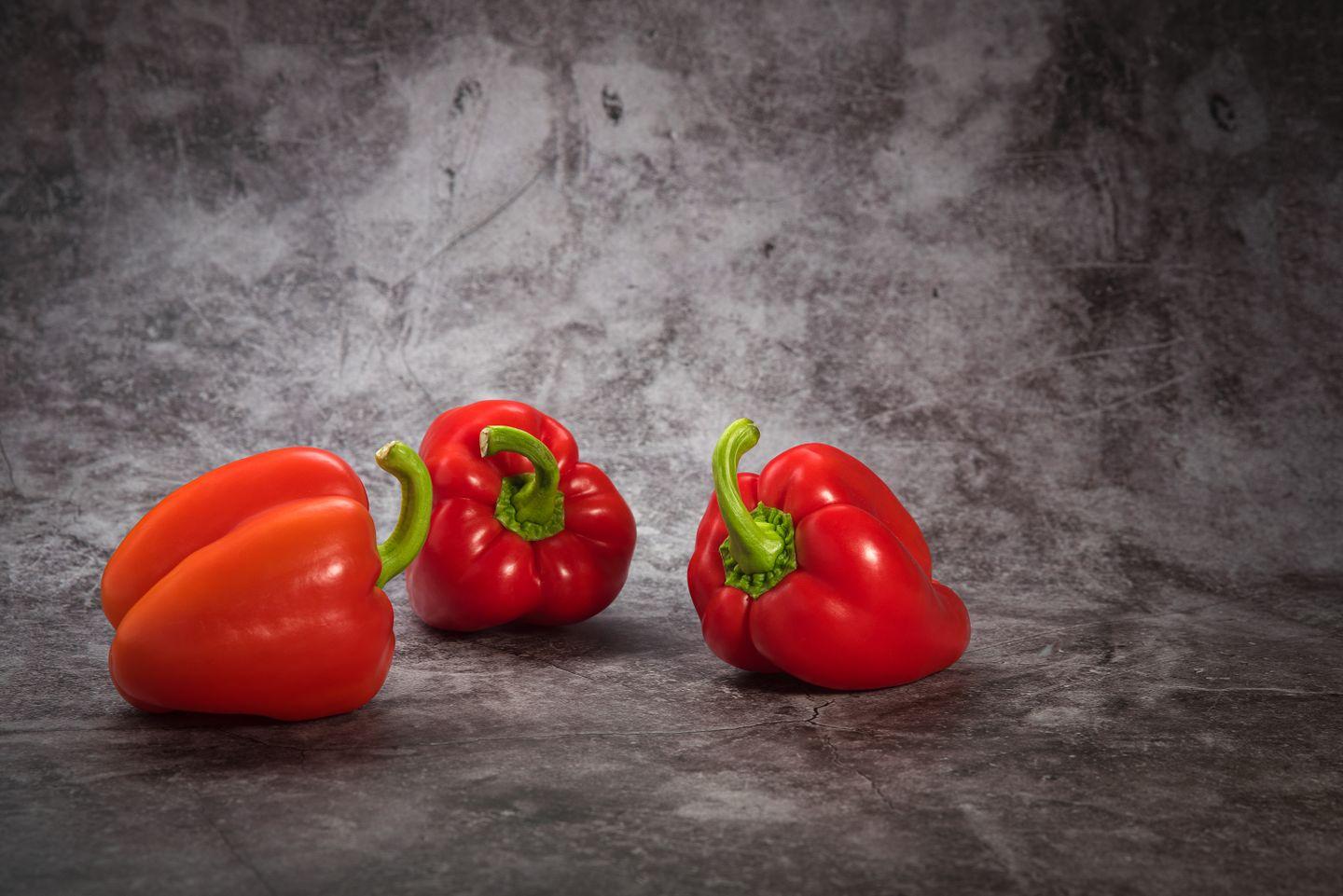
Red capsicum can add colour and variety to a companion bird’s vegetable selection. It contains carotenoid pigments, including provitamin A compounds, but should not be treated as a complete source of vitamin A or as a substitute for balanced feed. Wash it, remove the stem and offer fresh flesh in a manageable size. Avoid cooked dishes containing oil, salt, chilli, onion or garlic. Birds already eating a complete formulated diet generally do not need additional vitamin products unless an avian veterinarian identifies a specific need.
References
Merck Veterinary Manual, “Management of Pet Birds” (online veterinary reference); Merck Veterinary Manual, “Nutrition in Psittacines” (last updated July 2026); Merck Veterinary Manual, “Nutritional Diseases of Pet Birds” (last updated June 2026); Association of Avian Veterinarians, “Basic Care for Companion Birds” (client handout).
Evidence note: These sources provide general avian nutrition and husbandry guidance. They do not establish ingredient-specific clinical benefits or universal feeding quantities for this food across all companion-bird species.
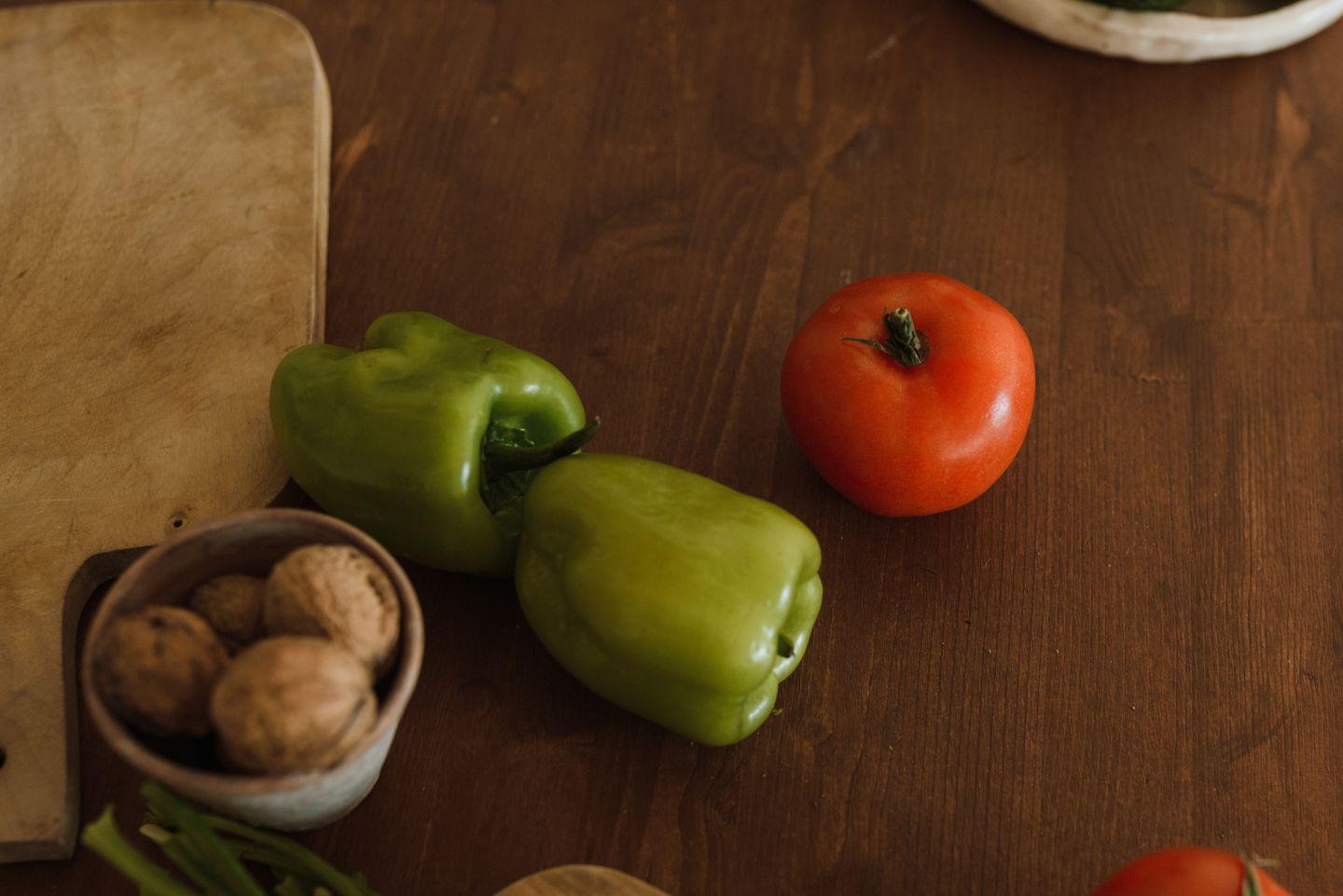
Green capsicum can be offered to many companion birds as one component of a varied vegetable selection. Wash it, remove the stem and offer a small amount of fresh flesh, chopped to a…
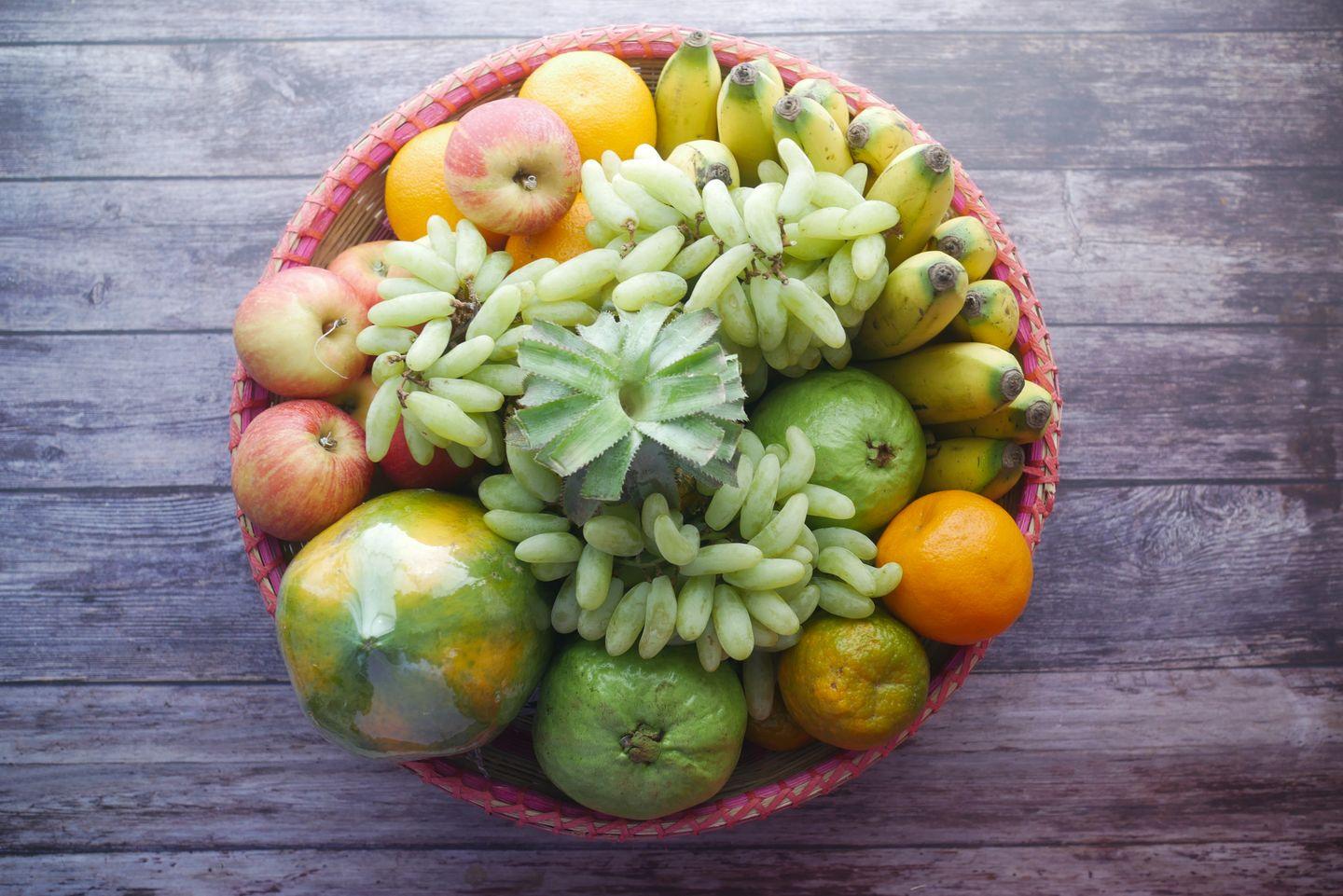
Guava is widely available in India and may be offered in small portions to many fruit-eating companion birds. It supplies moisture, fibre and vitamin C, but fruit should generally be a…
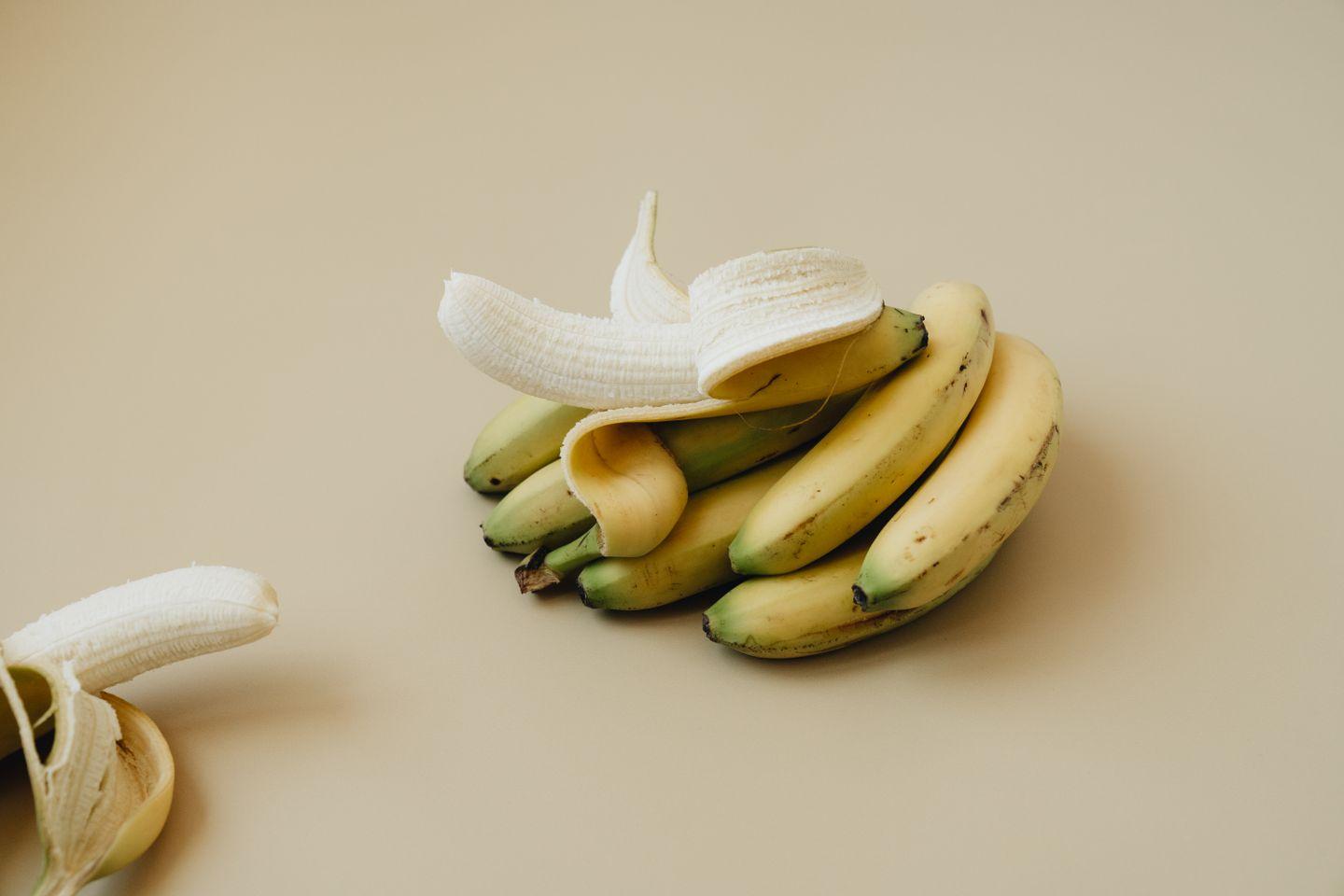
Banana is a fruit that some companion birds readily accept. It supplies carbohydrate and potassium, but it is energy-dense compared with many vegetables. Offer a small piece occasionally and…