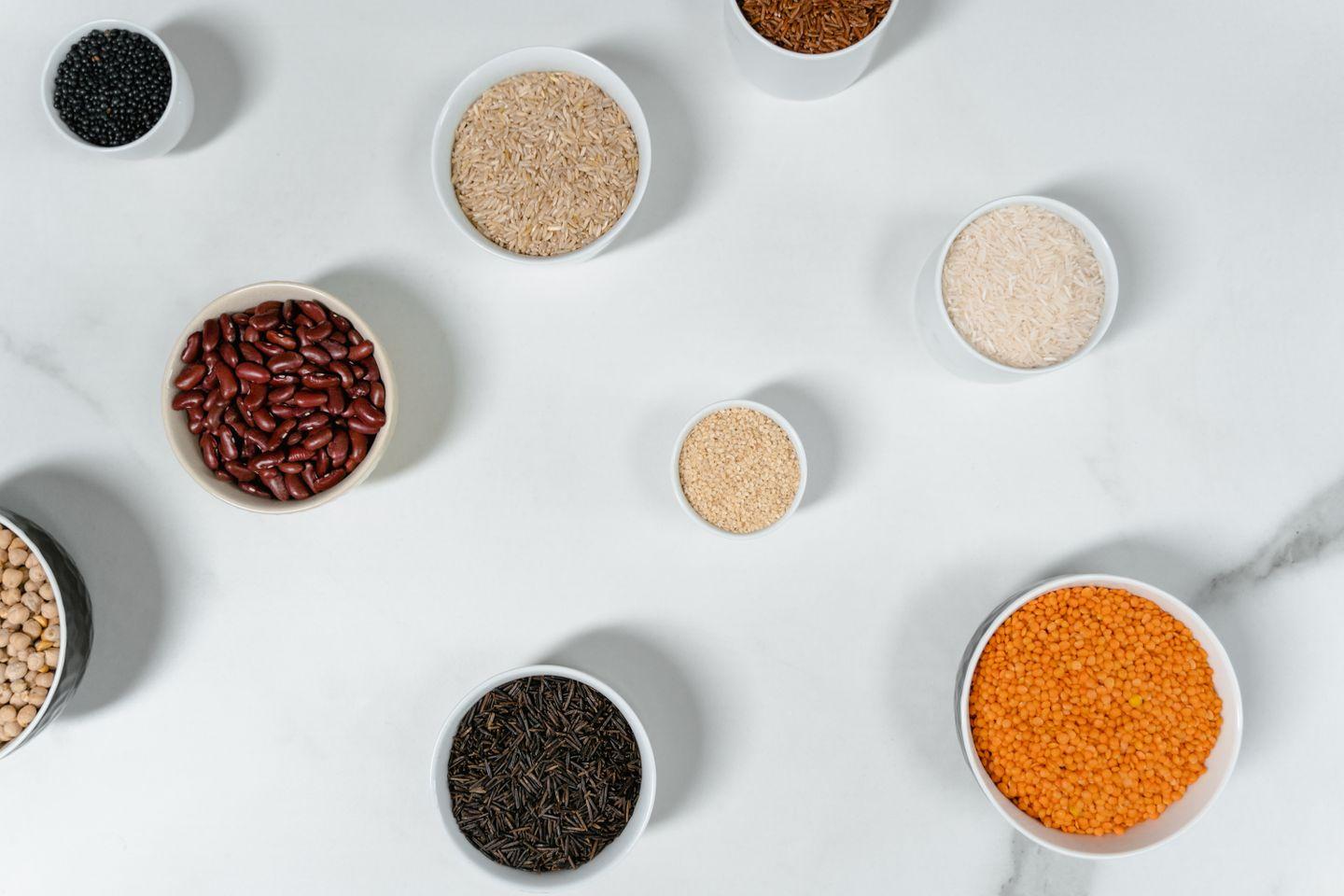
Green gram (moong) is a familiar Indian pulse. Some companion birds may accept a small amount of thoroughly cooked, plain moong, but it is not a complete protein source or a staple diet. Do…
Green gram (moong) is a familiar Indian pulse. Some companion birds may accept a small amount of thoroughly cooked, plain moong, but it is not a complete protein source or a staple diet. Do not offer hard, dry whole pulses to birds that may struggle to handle them. Sprouting pulses at home carries a food-safety risk because warm, moist conditions can allow bacteria to multiply; rinsing does not reliably eliminate pathogens. If sprouts are used, follow strict hygiene and discard any that smell sour, feel slimy or show spoilage. Cooked foods and sprouts should be removed promptly. Introduce new foods cautiously.
References
Merck Veterinary Manual, “Management of Pet Birds” (online veterinary reference); Merck Veterinary Manual, “Nutrition in Psittacines” (last updated July 2026); Merck Veterinary Manual, “Nutritional Diseases of Pet Birds” (last updated June 2026); Association of Avian Veterinarians, “Basic Care for Companion Birds” (client handout).
Evidence note: These sources provide general avian nutrition and husbandry guidance. They do not establish ingredient-specific clinical benefits or universal feeding quantities for this food across all companion-bird species.
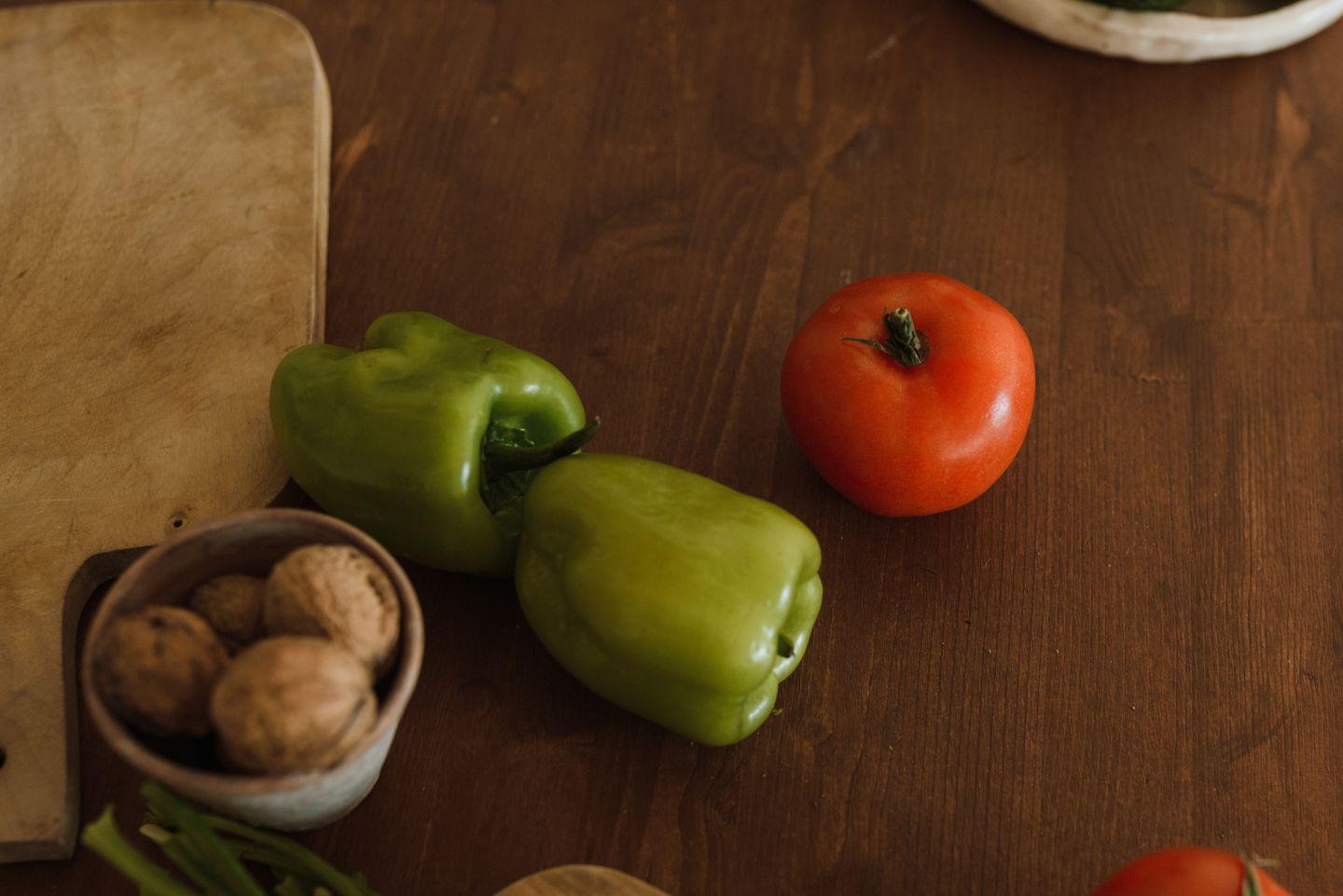
Green capsicum can be offered to many companion birds as one component of a varied vegetable selection. Wash it, remove the stem and offer a small amount of fresh flesh, chopped to a…
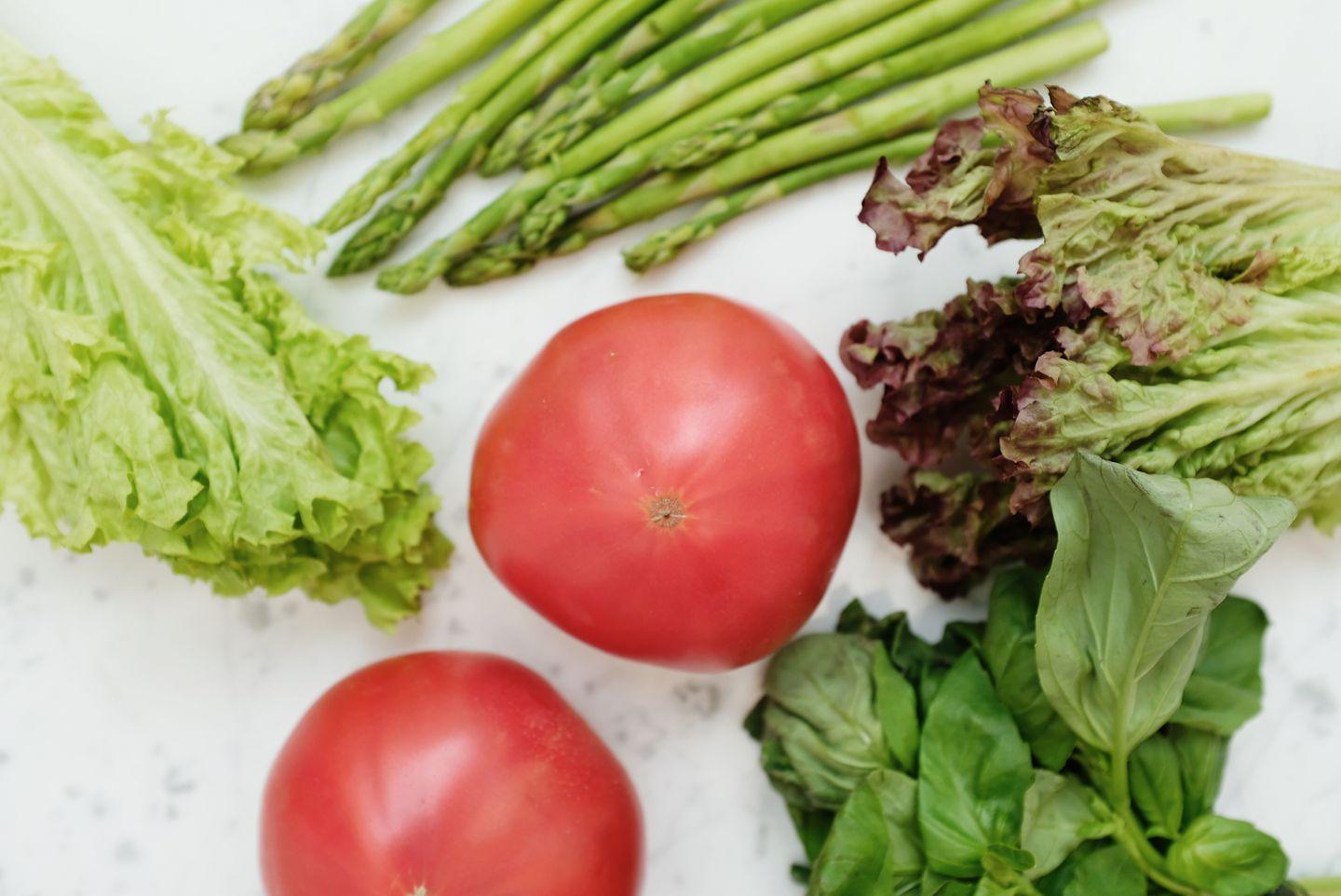
Romaine lettuce can be included in the fresh vegetable variety offered to many companion birds. It contains water and some micronutrients, but should not be the only leafy green or displace…
Fresh coriander leaves (dhania) are widely available in India and may be offered in small amounts to some companion birds as part of a varied selection of greens. Wash thoroughly under clean…