Plain pumpkin flesh can add vegetable variety and moisture to a companion bird’s diet. It contains fibre and carotenoids but is not a complete food. Wash it, remove damaged portions and…
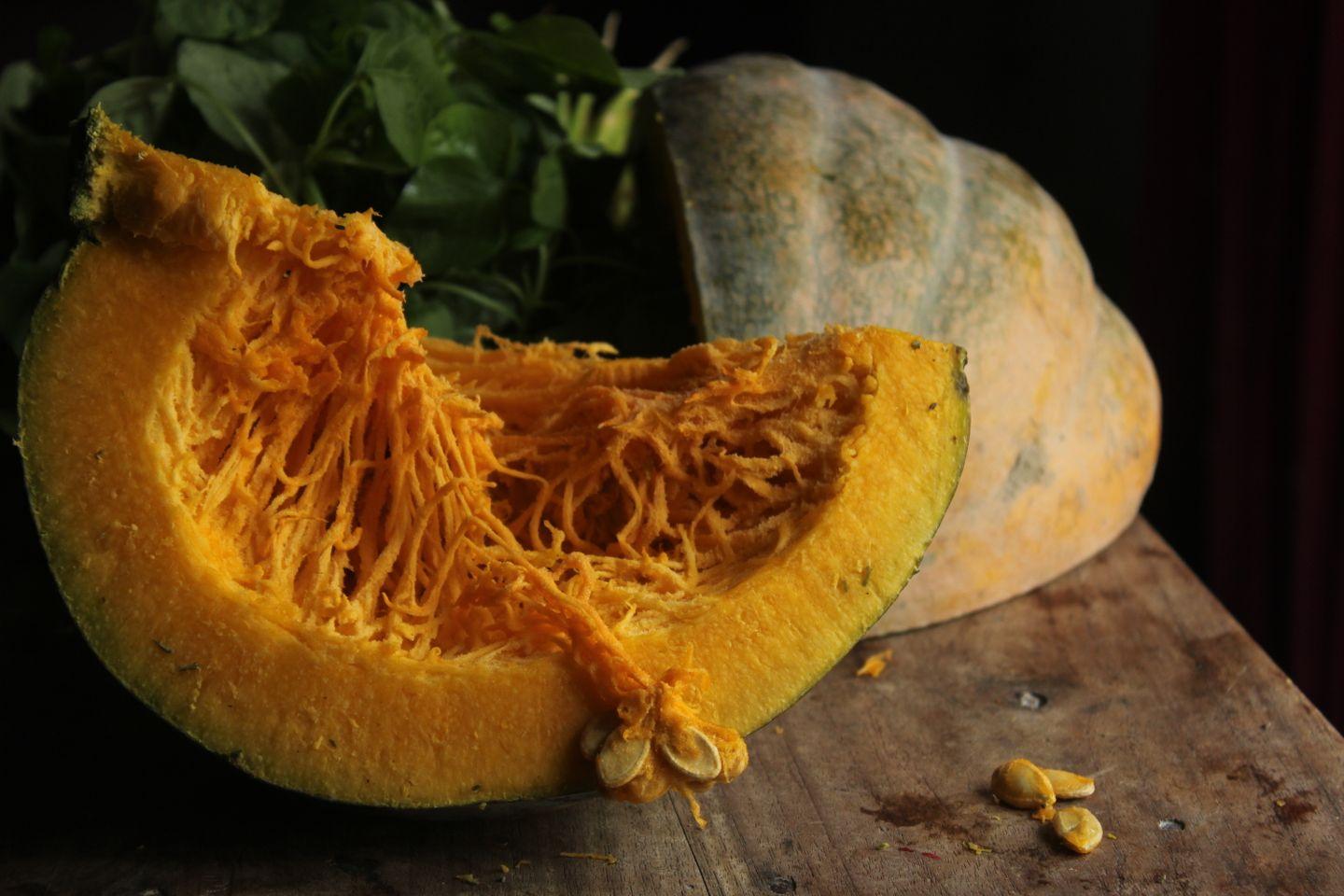
Plain pumpkin flesh can add vegetable variety and moisture to a companion bird’s diet. It contains fibre and carotenoids but is not a complete food. Wash it, remove damaged portions and offer a small amount raw or cooked until soft, without salt, sugar, oil or spices. Remove rind or seeds if they pose a handling or choking concern for the individual bird. Do not offer sweetened pumpkin desserts or spiced preparations. Remove moist leftovers within an hour. Pumpkin should complement, not replace, a nutritionally balanced diet.
References
Merck Veterinary Manual, “Management of Pet Birds” (online veterinary reference); Merck Veterinary Manual, “Nutrition in Psittacines” (last updated July 2026); Merck Veterinary Manual, “Nutritional Diseases of Pet Birds” (last updated June 2026); Association of Avian Veterinarians, “Basic Care for Companion Birds” (client handout).
Evidence note: These sources provide general avian nutrition and husbandry guidance. They do not establish ingredient-specific clinical benefits or universal feeding quantities for this food across all companion-bird species.
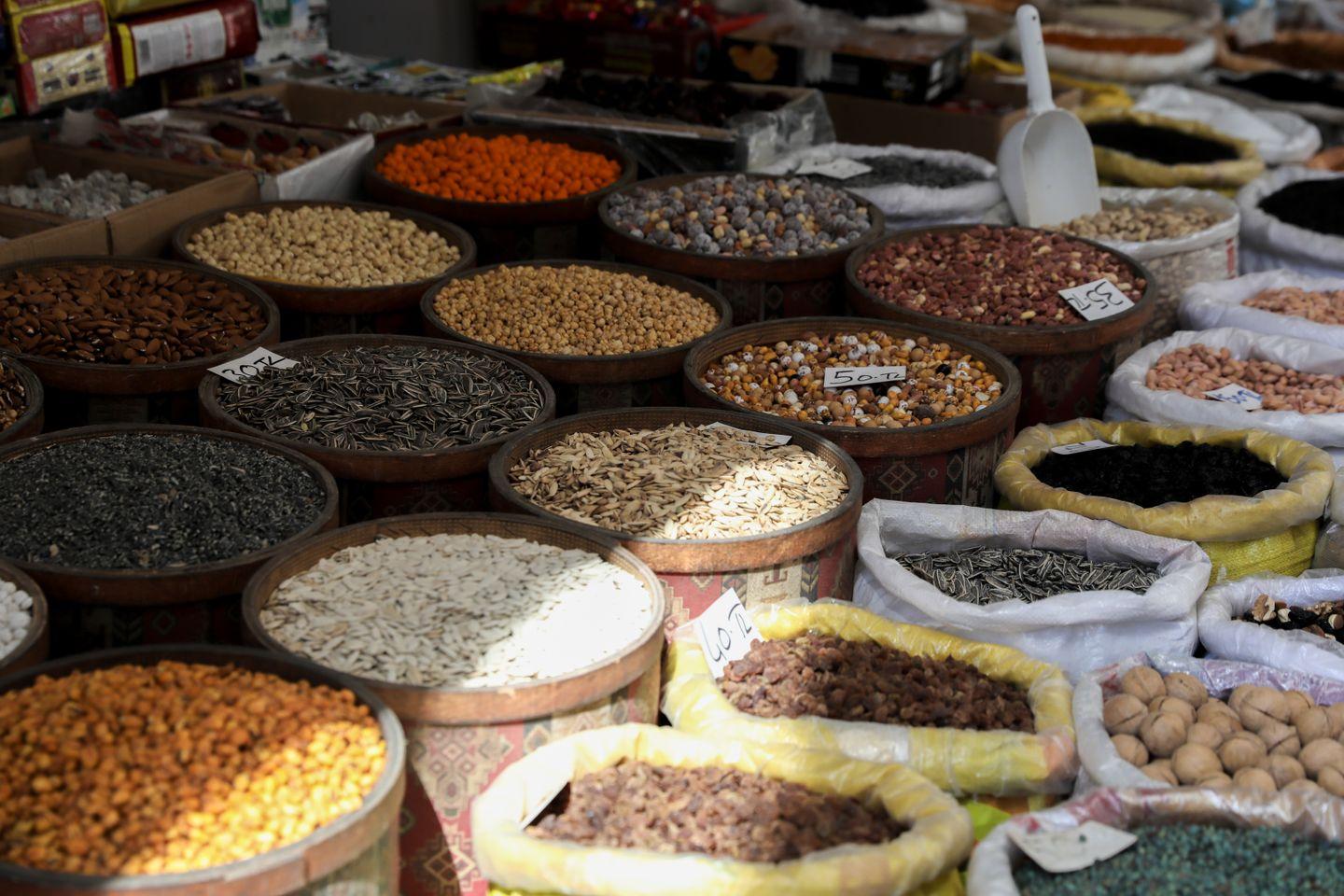
Pumpkin seeds contain fat, protein and minerals and may be used sparingly as a treat for some companion birds. Their energy density means that frequent or generous feeding can unbalance the…
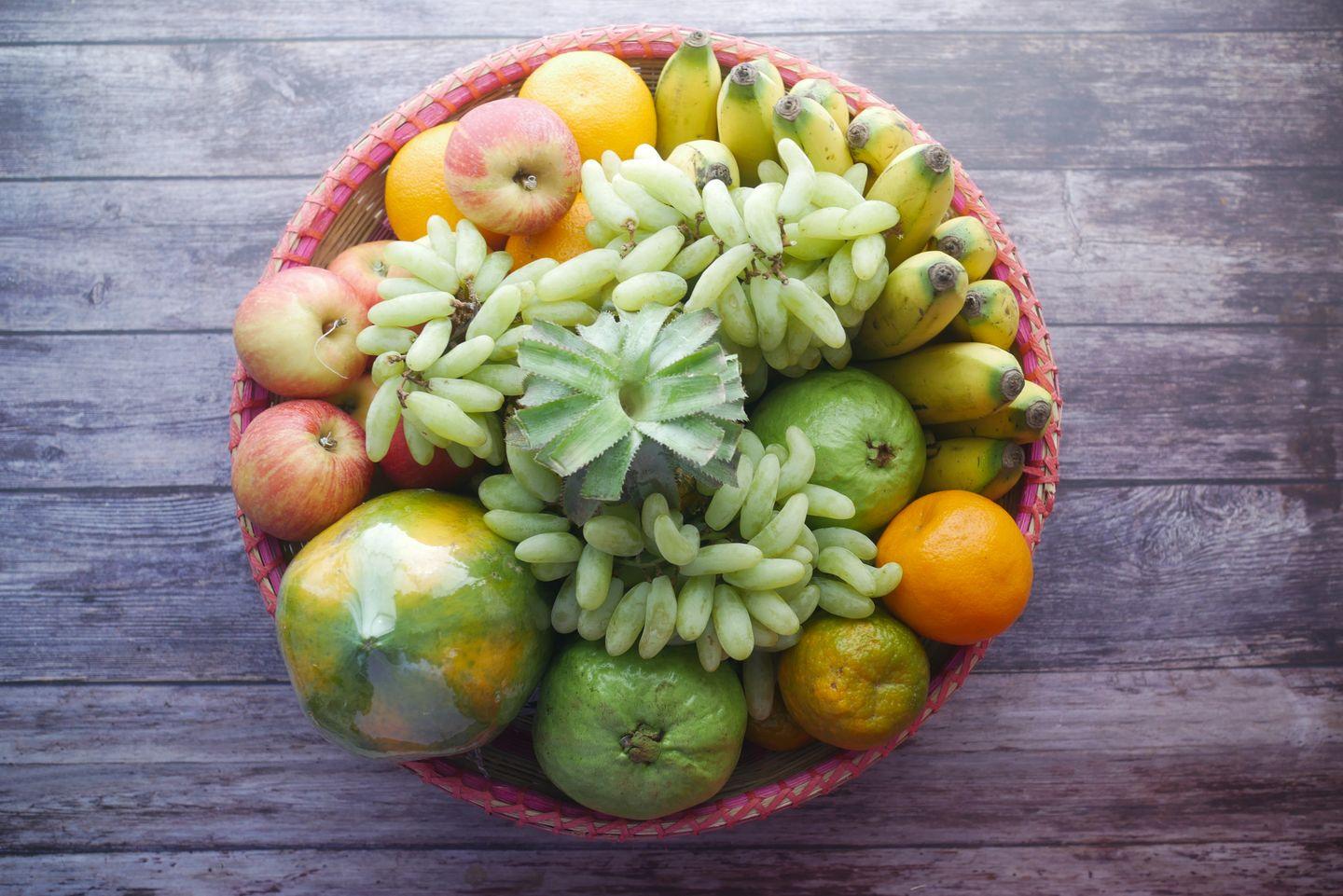
Guava is widely available in India and may be offered in small portions to many fruit-eating companion birds. It supplies moisture, fibre and vitamin C, but fruit should generally be a…
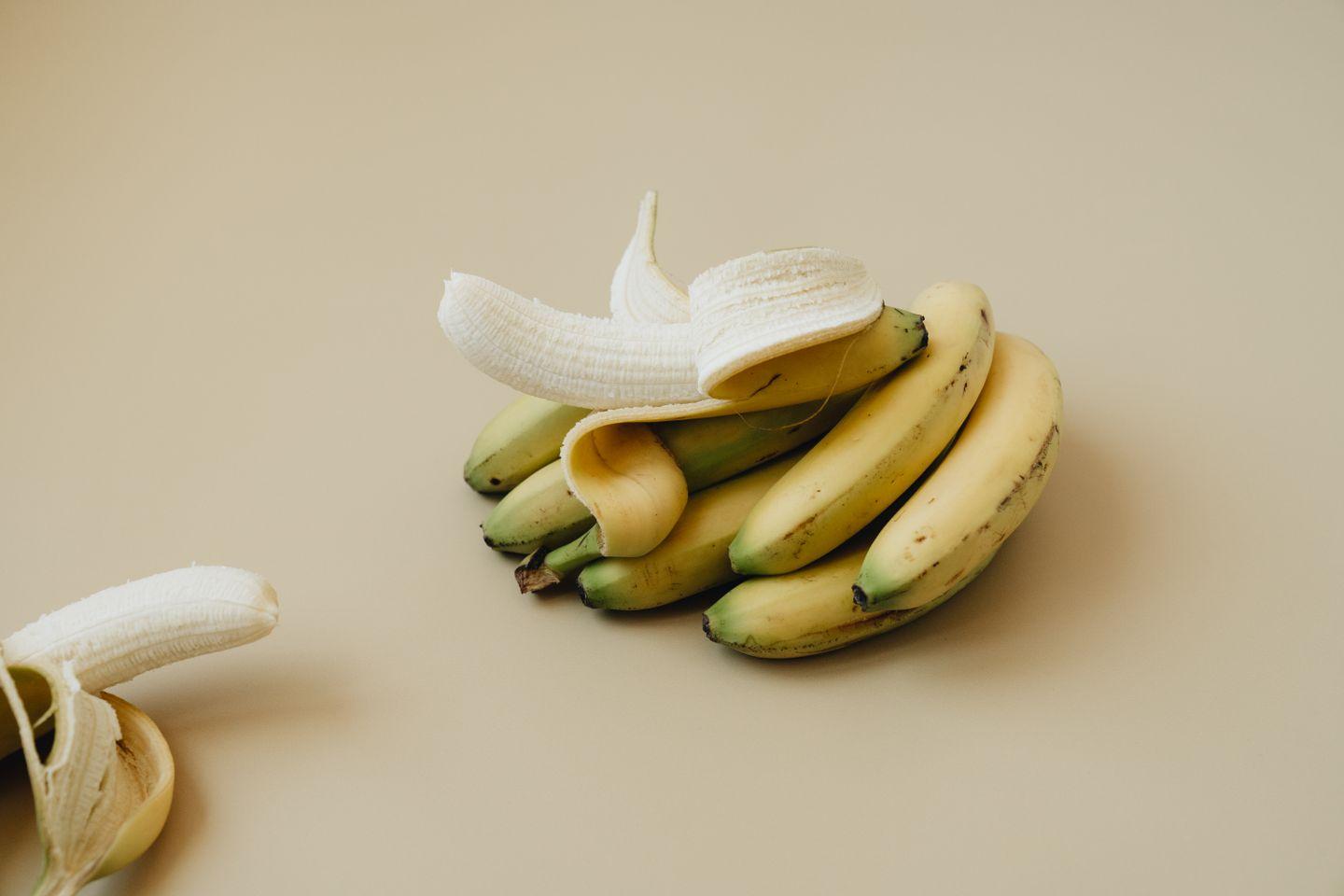
Banana is a fruit that some companion birds readily accept. It supplies carbohydrate and potassium, but it is energy-dense compared with many vegetables. Offer a small piece occasionally and…