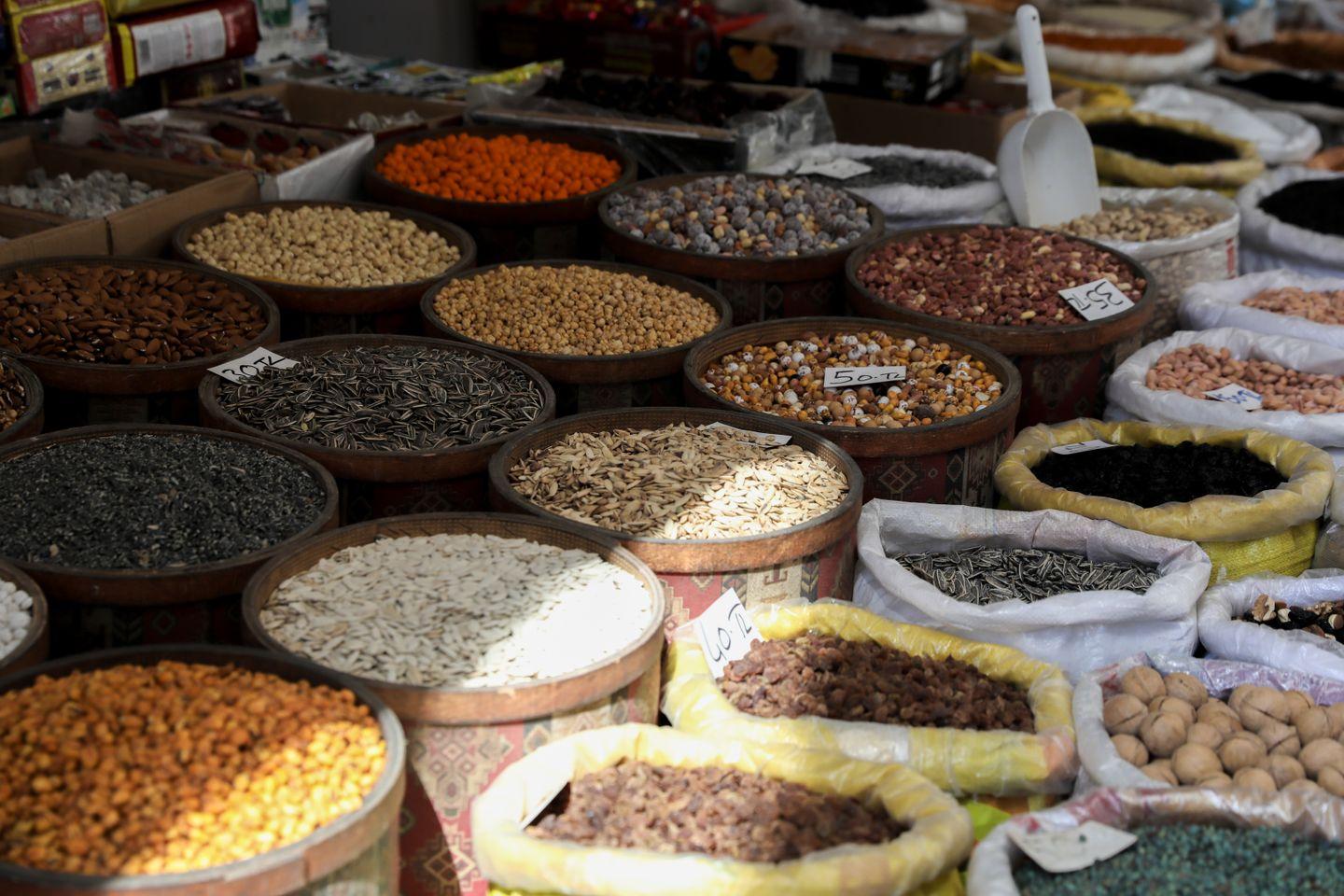
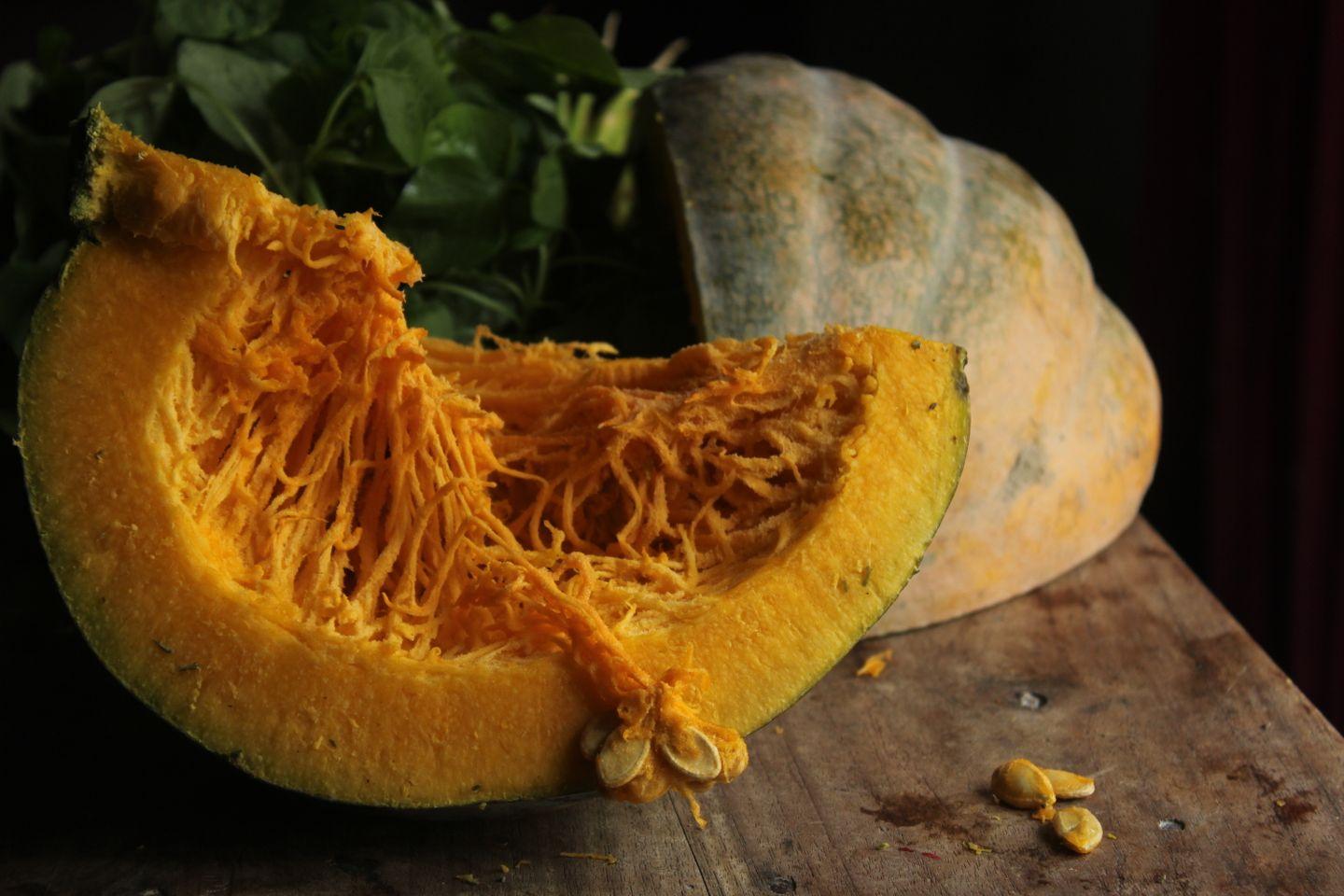
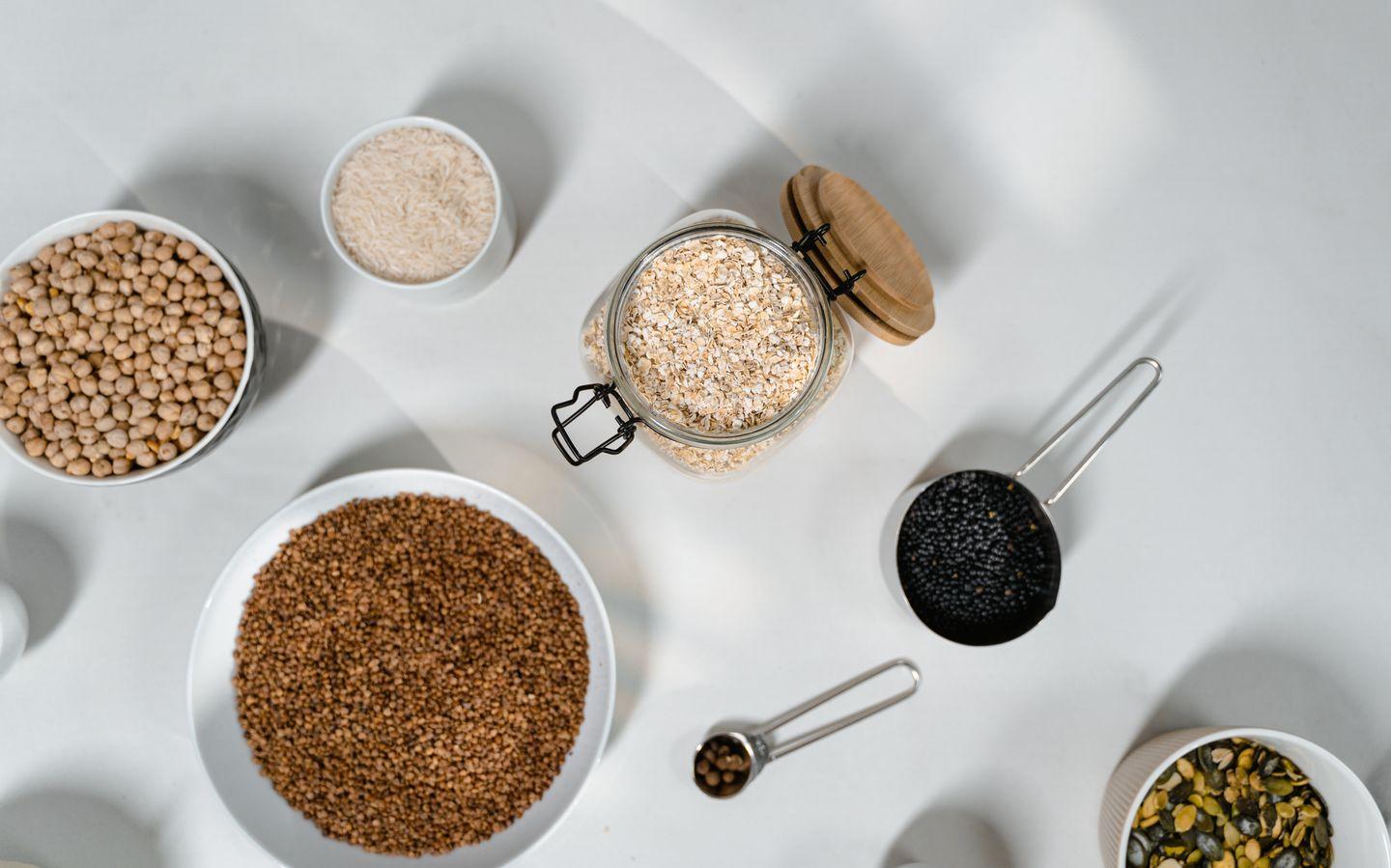
Pumpkin seeds contain fat, protein and minerals and may be used sparingly as a treat for some companion birds. Their energy density means that frequent or generous feeding can unbalance the…
Pumpkin seeds contain fat, protein and minerals and may be used sparingly as a treat for some companion birds. Their energy density means that frequent or generous feeding can unbalance the diet, especially in small birds. Offer plain, unsalted seeds without coatings, spices or oil. Use only fresh seeds stored dry and discard any with mould or rancid odour. Seeds should not replace a nutritionally complete diet or a suitable variety of vegetables. Treat allowance depends on species, size, body condition and activity.
References
Merck Veterinary Manual, “Management of Pet Birds” (online veterinary reference); Merck Veterinary Manual, “Nutrition in Psittacines” (last updated July 2026); Merck Veterinary Manual, “Nutritional Diseases of Pet Birds” (last updated June 2026); Association of Avian Veterinarians, “Basic Care for Companion Birds” (client handout).
Evidence note: These sources provide general avian nutrition and husbandry guidance. They do not establish ingredient-specific clinical benefits or universal feeding quantities for this food across all companion-bird species.
Plain pumpkin flesh can add vegetable variety and moisture to a companion bird’s diet. It contains fibre and carotenoids but is not a complete food. Wash it, remove damaged portions and…
Sunflower seeds are highly palatable and common in Indian bird seed mixes. They are energy-dense and relatively high in fat. Birds that select sunflower seeds and reject other ingredients…
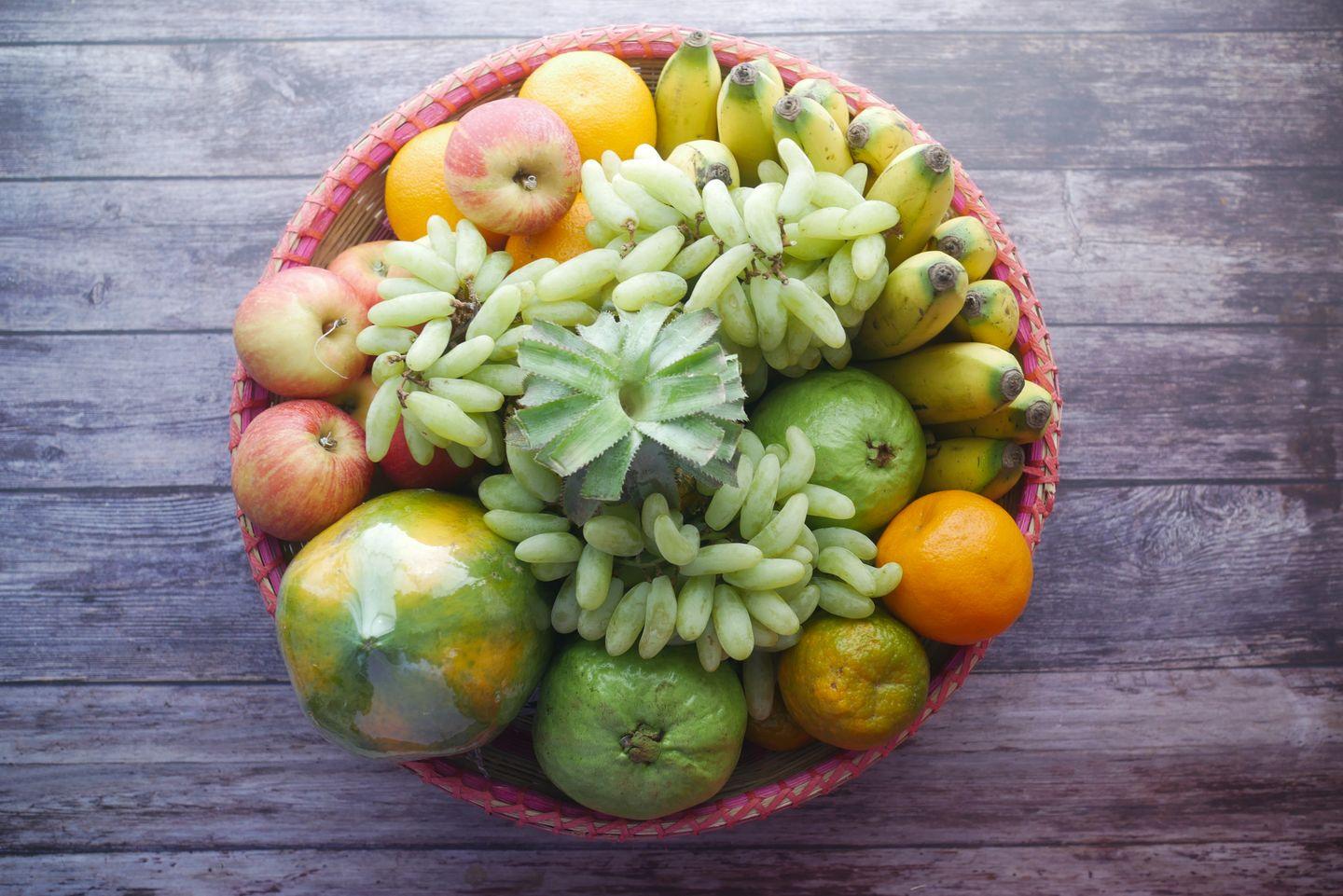
Guava is widely available in India and may be offered in small portions to many fruit-eating companion birds. It supplies moisture, fibre and vitamin C, but fruit should generally be a…