Sunflower seeds are highly palatable and common in Indian bird seed mixes. They are energy-dense and relatively high in fat. Birds that select sunflower seeds and reject other ingredients…
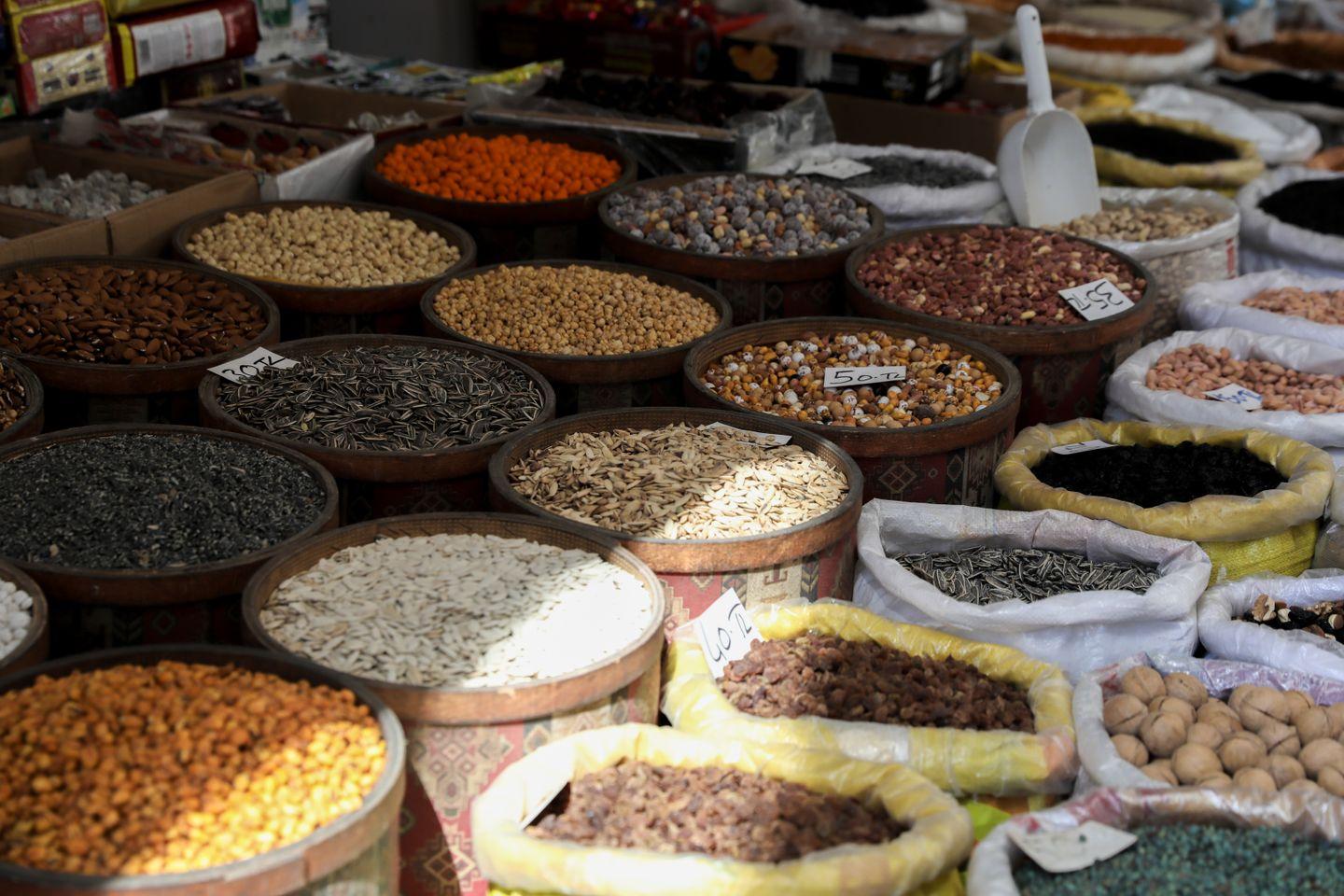
Sunflower seeds are highly palatable and common in Indian bird seed mixes. They are energy-dense and relatively high in fat. Birds that select sunflower seeds and reject other ingredients can develop an unbalanced diet and obesity. Their role, if any, should be limited and species-specific; they may be used as occasional rewards for some birds, but should not be assumed suitable as a staple for all. Use fresh, unsalted seeds and store them in cool, dry conditions. Discard damp, musty, rancid or contaminated batches.
References
Merck Veterinary Manual, “Management of Pet Birds” (online veterinary reference); Merck Veterinary Manual, “Nutrition in Psittacines” (last updated July 2026); Merck Veterinary Manual, “Nutritional Diseases of Pet Birds” (last updated June 2026); Association of Avian Veterinarians, “Basic Care for Companion Birds” (client handout).
Evidence note: These sources provide general avian nutrition and husbandry guidance. They do not establish ingredient-specific clinical benefits or universal feeding quantities for this food across all companion-bird species.
Pumpkin seeds contain fat, protein and minerals and may be used sparingly as a treat for some companion birds. Their energy density means that frequent or generous feeding can unbalance the…
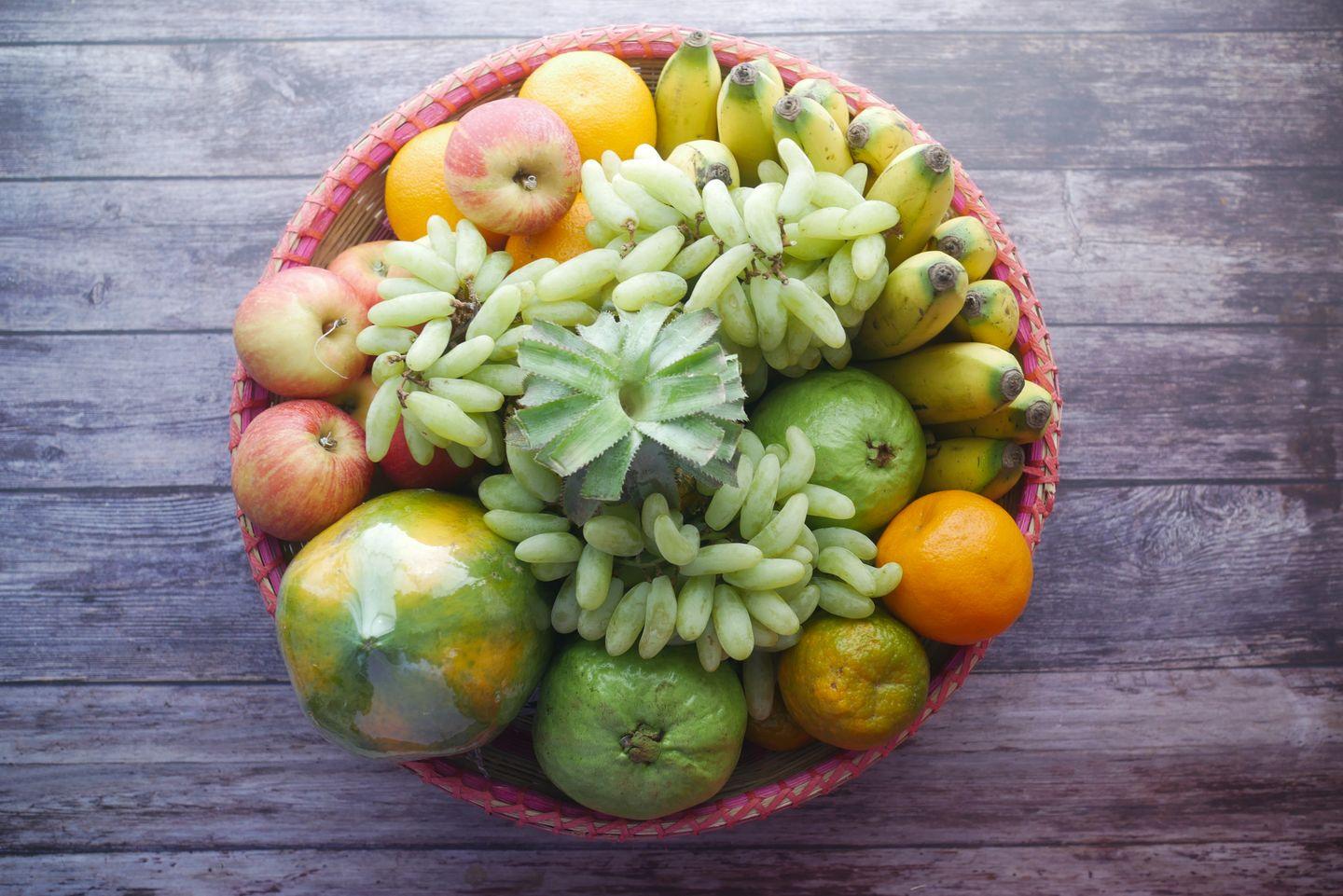
Guava is widely available in India and may be offered in small portions to many fruit-eating companion birds. It supplies moisture, fibre and vitamin C, but fruit should generally be a…
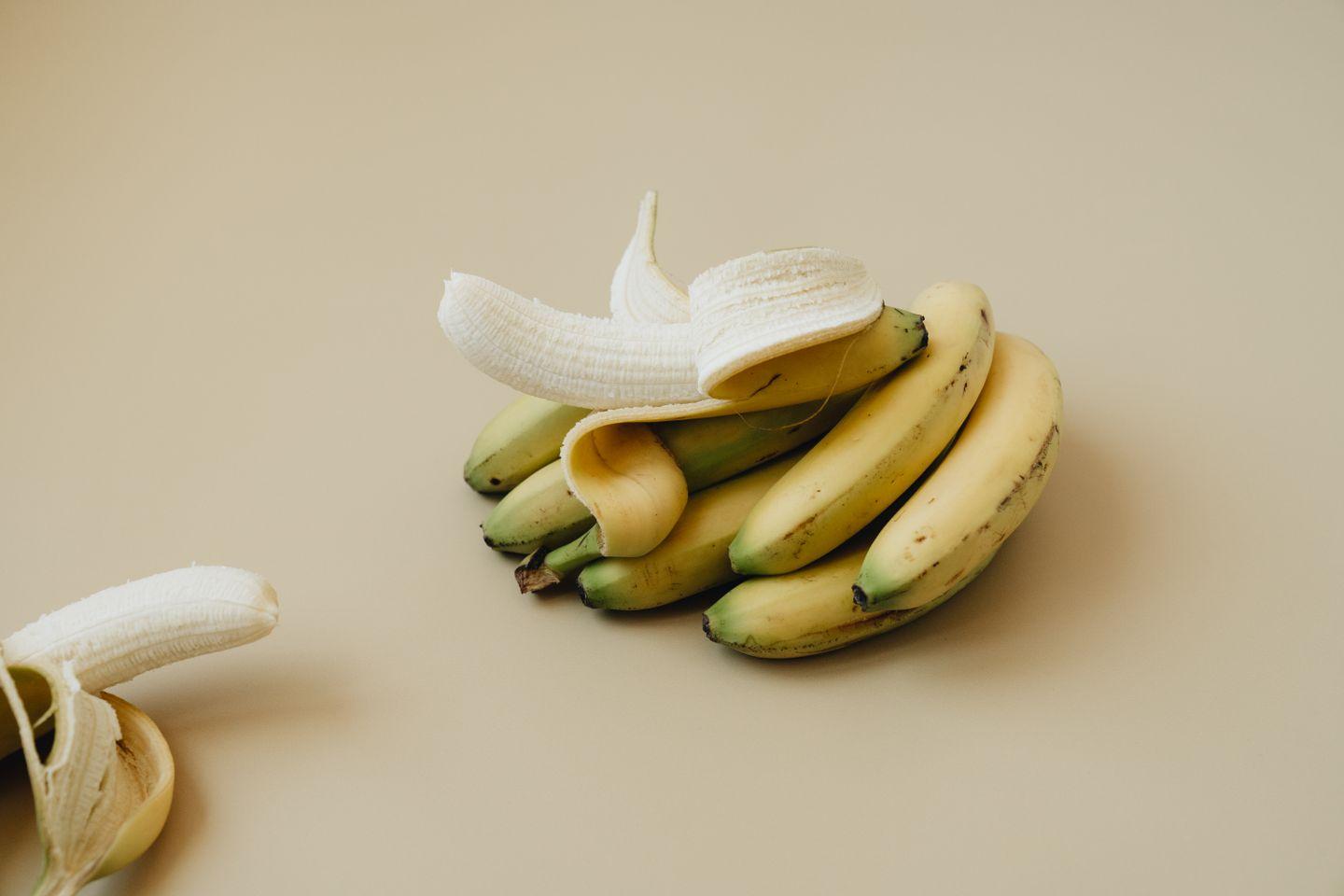
Banana is a fruit that some companion birds readily accept. It supplies carbohydrate and potassium, but it is energy-dense compared with many vegetables. Offer a small piece occasionally and…