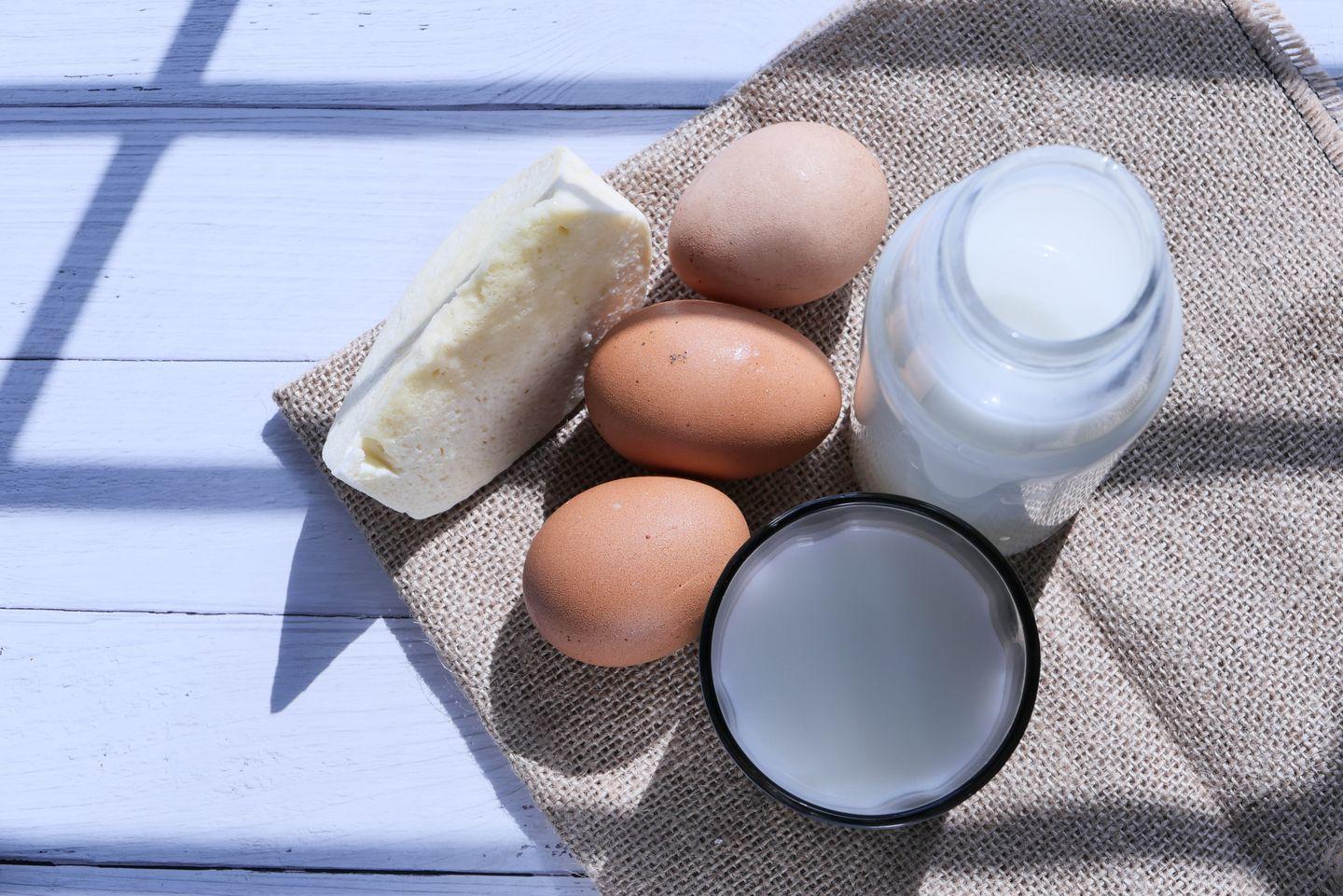
Dried cultured skim milk is made by culturing skim milk and then drying it. Fermentation changes the composition, including some lactose, but the extent depends on the microorganisms and…
Dried cultured skim milk is made by culturing skim milk and then drying it. Fermentation changes the composition, including some lactose, but the extent depends on the microorganisms and process. Drying and subsequent storage may reduce viability; the product may contain live cultures, inactivated organisms or fermentation products, depending on the specification.
It should not automatically be called a probiotic. A probiotic claim requires identified live microorganisms delivered in adequate amounts with evidence of a health benefit. If the organisms are no longer viable, the ingredient is not a live probiotic, although it may contain fermentation products.
Dried cultured skim milk remains a dairy-derived ingredient and can still contain milk proteins. It is not a proven treatment for gastrointestinal disease. The exact composition and manufacturing process should be considered when interpreting a product claim.
Dried skim milk is made by removing water from milk after most of the milk fat has been separated. It contains milk proteins, lactose and minerals, with relatively little fat. It can be used…
Dried whey is the dried material remaining after much of the casein and fat have been removed from milk during cheese or casein production. It contains lactose, whey proteins and minerals,…
Goat milk contains water, fat, protein, lactose, minerals and vitamins. It is sometimes marketed as a natural topper or alternative to cow's milk for dogs and cats. Its nutrient composition…