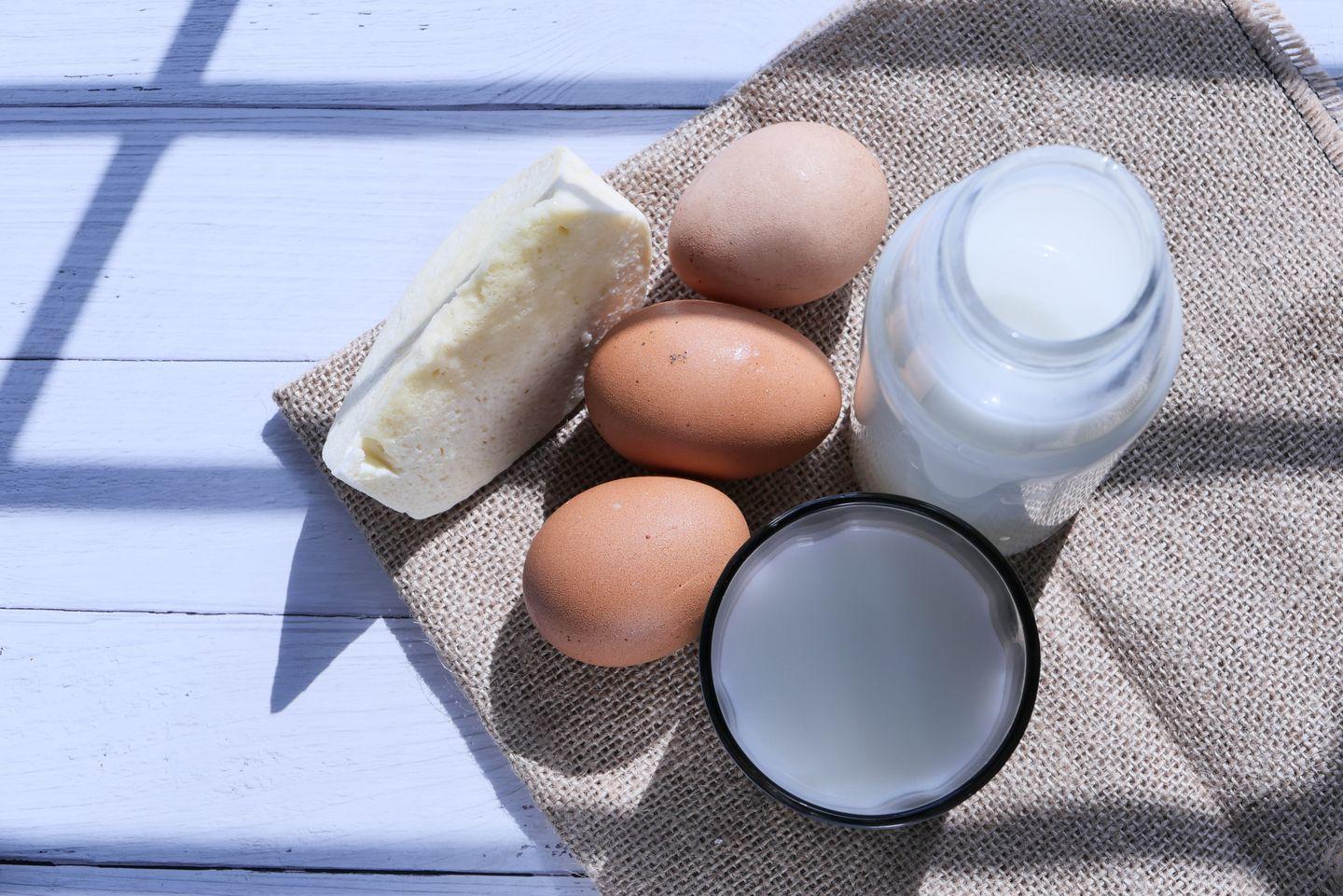
Goat milk contains water, fat, protein, lactose, minerals and vitamins. It is sometimes marketed as a natural topper or alternative to cow's milk for dogs and cats. Its nutrient composition…
Goat milk contains water, fat, protein, lactose, minerals and vitamins. It is sometimes marketed as a natural topper or alternative to cow's milk for dogs and cats. Its nutrient composition varies with breed, feed, processing and fat content.
Goat milk still contains lactose. It should not be assumed to be lactose-free or automatically easier for every pet to digest. Some adult dogs and cats may develop loose stools, gas or other digestive signs after consuming milk. Milk protein can also trigger an adverse food reaction in susceptible animals.
Unpasteurised goat milk carries microbial risks and should not be promoted as a safer or more natural option. Milk is not a nutritionally complete diet for adult dogs or cats, and it cannot replace mother's milk or a properly formulated milk replacer for orphaned neonates. If a pet has a medical condition or is on a therapeutic diet, adding goat milk may interfere with the dietary plan. Claims that it treats gut disease or boosts immunity are not established.
Milk protein concentrate is produced by concentrating milk proteins, commonly through membrane filtration. It generally contains both casein and whey proteins, although the ratio and the…
Dried skim milk is made by removing water from milk after most of the milk fat has been separated. It contains milk proteins, lactose and minerals, with relatively little fat. It can be used…
Dried cultured skim milk is made by culturing skim milk and then drying it. Fermentation changes the composition, including some lactose, but the extent depends on the microorganisms and…