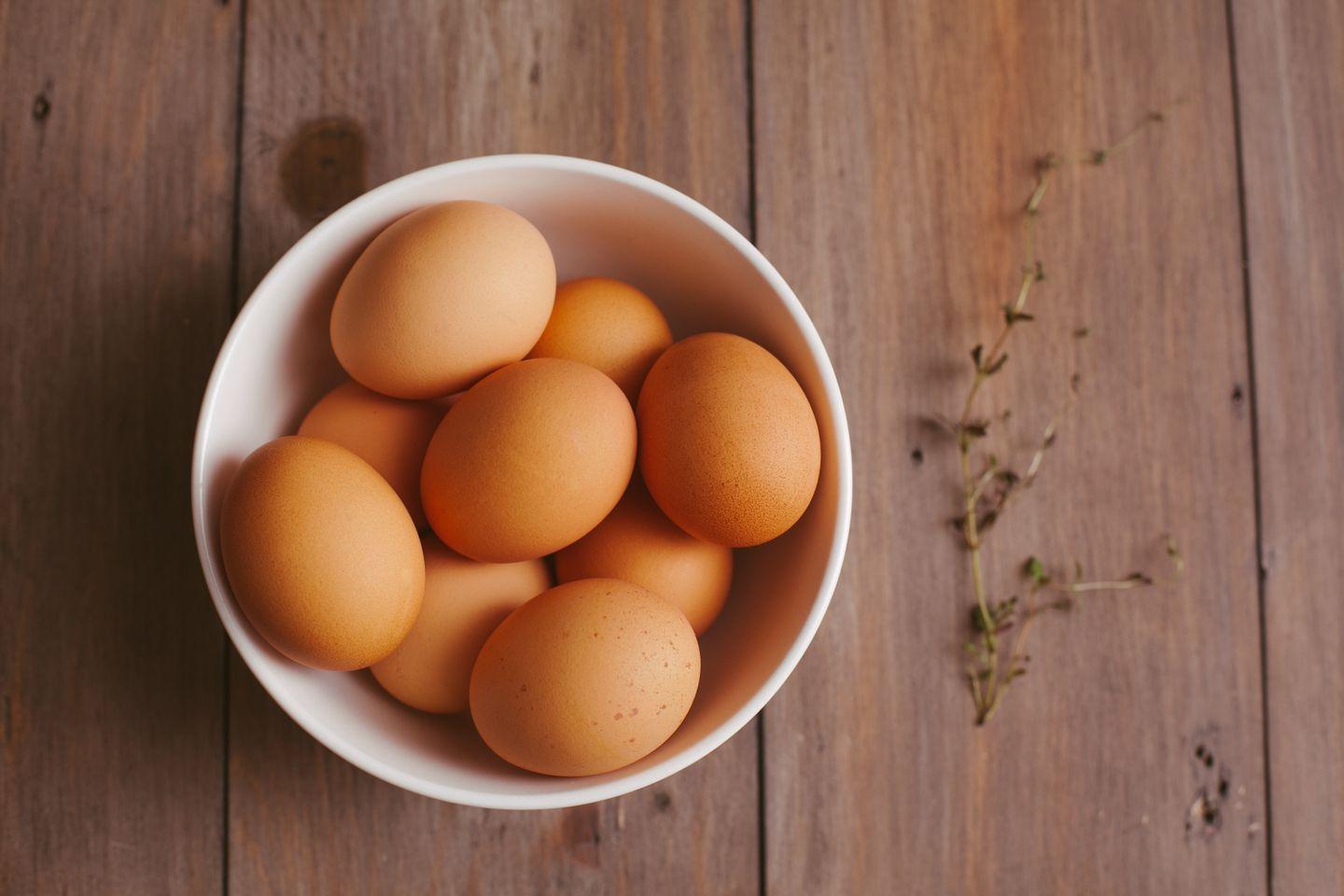
Egg protein is valued in pet nutrition because it provides highly digestible protein and a favourable balance of essential amino acids. Eggs are used in some complete pet foods, treats and…
Egg protein is valued in pet nutrition because it provides highly digestible protein and a favourable balance of essential amino acids. Eggs are used in some complete pet foods, treats and specialised diets.
Why is egg protein useful?
Dogs and cats need dietary protein to maintain muscle, repair tissues, produce enzymes and support normal body functions. Egg protein contains all essential amino acids and is generally highly digestible when properly cooked and processed.
Egg protein for dogs
Cooked egg can provide protein as an occasional food addition for many healthy dogs. It should be plain, fully cooked and served without salt, oil, onion, garlic or seasoning. It should not displace a nutritionally complete diet.
Egg protein for cats
Cats also benefit from high-quality animal protein, but they have specific amino acid and nutrient requirements. Cooked egg may be offered in small quantities if tolerated, but it is not a complete feline diet.
Why avoid raw egg white?
Raw egg white contains avidin, a protein that binds biotin and can reduce its absorption. Repeated feeding of large quantities of raw egg white may contribute to biotin deficiency. Raw eggs also carry a risk of bacterial contamination, including Salmonella. Cooking reduces these risks and denatures avidin.
Allergies and intolerance
Egg is a potential food allergen for some pets. Itching, recurrent ear problems or gastrointestinal signs may have many causes; a veterinarian should guide an elimination diet rather than relying on guesswork.
The takeaway
Egg protein is a highly digestible source of essential amino acids when cooked and appropriately included in the diet. Avoid raw eggs and raw egg whites, and remember that eggs are an ingredient or treat, not a nutritionally complete food for dogs or cats.
Hydrolysed animal protein is produced by breaking animal proteins into smaller peptides and amino acids, usually through enzymatic or chemical processing. In pet food, it may be used to…
Methylotroph protein is produced by microorganisms that use one-carbon compounds such as methanol as a carbon and energy source. Commercial microbial biomass may provide concentrated protein…
Opening. Potato protein is recovered during the processing of potatoes, often as a co-product of starch manufacture. It is used as a concentrated plant protein ingredient in some pet foods.