Methylotroph protein is produced by microorganisms that use one-carbon compounds such as methanol as a carbon and energy source. Commercial microbial biomass may provide concentrated protein…
Methylotroph protein is produced by microorganisms that use one-carbon compounds such as methanol as a carbon and energy source. Commercial microbial biomass may provide concentrated protein and can reduce reliance on conventional agricultural protein sources. Its composition is strain- and process-dependent, and safety assessment must cover the production organism, substrate purity, residual compounds, nucleic acids and contaminants. Research in fish and livestock does not establish efficacy or long-term safety in companion animals. It should be treated as a novel protein ingredient requiring product-specific evaluation, not as a ready-made complete protein.
References: Reviews of methylotrophic microbial protein production for feed; NRC, Nutrient Requirements of Dogs and Cats (2006).
Hydrolysed animal protein is produced by breaking animal proteins into smaller peptides and amino acids, usually through enzymatic or chemical processing. In pet food, it may be used to…
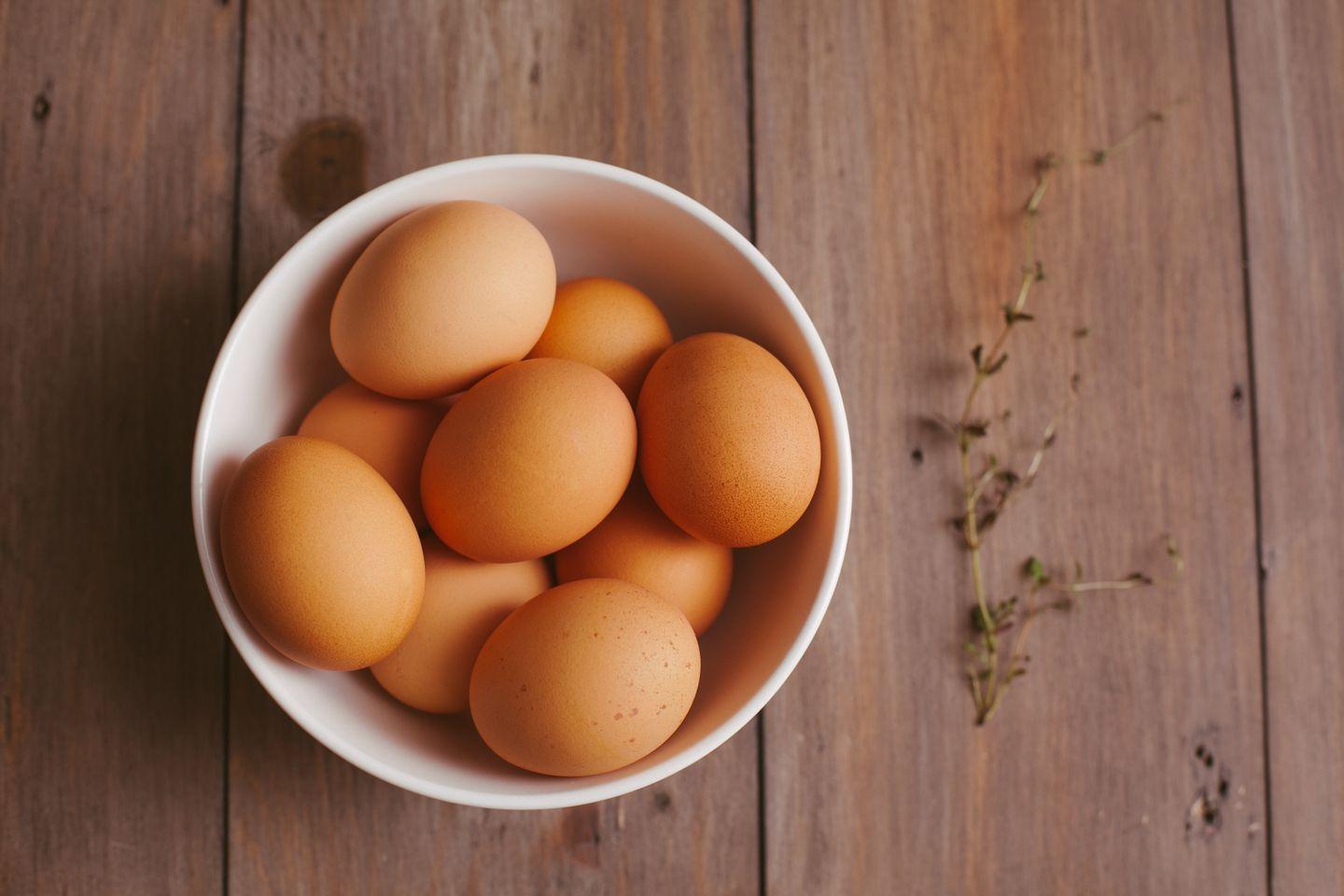
Egg protein is valued in pet nutrition because it provides highly digestible protein and a favourable balance of essential amino acids. Eggs are used in some complete pet foods, treats and…
Opening. Potato protein is recovered during the processing of potatoes, often as a co-product of starch manufacture. It is used as a concentrated plant protein ingredient in some pet foods.