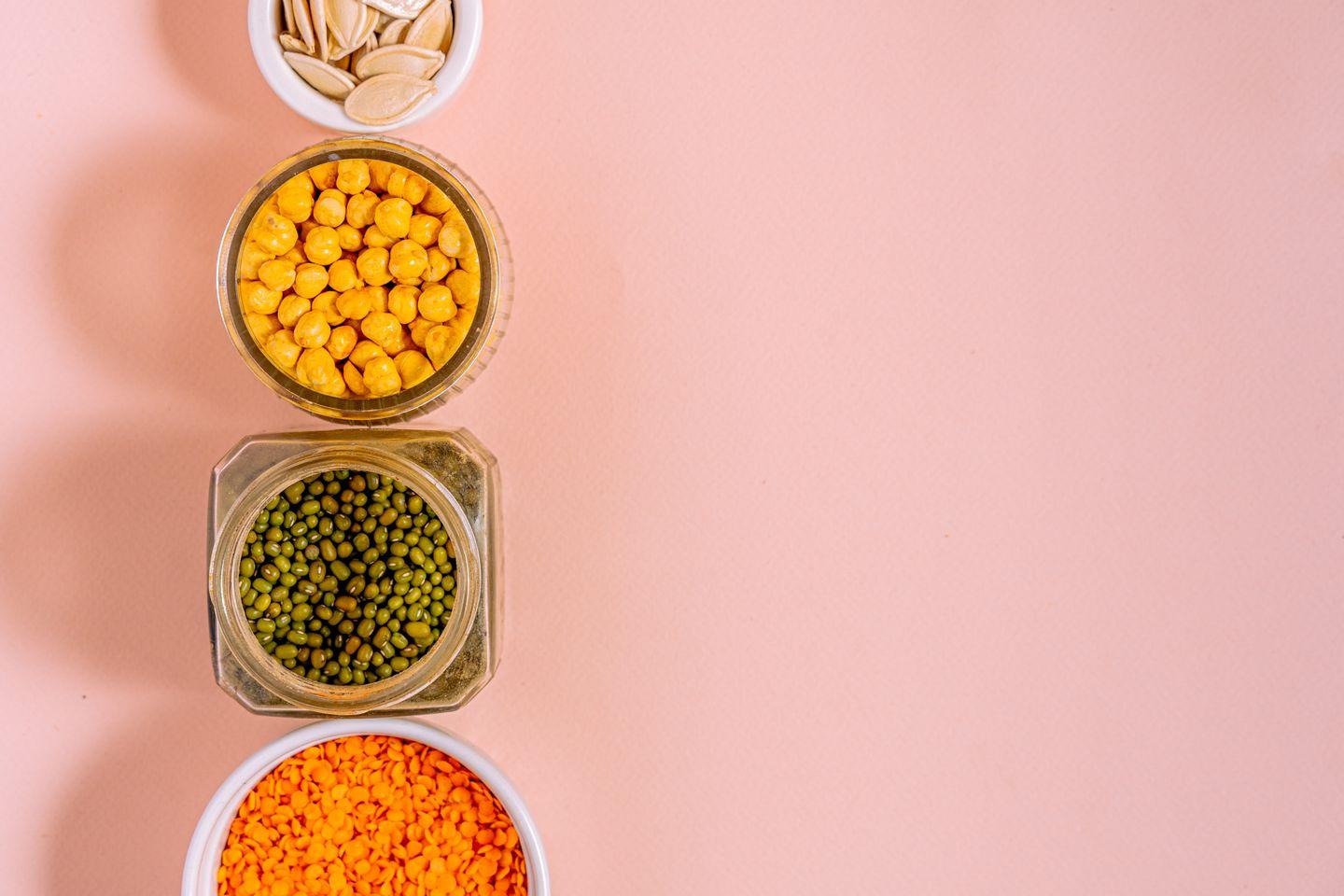
Faba bean protein concentrate is made by separating protein from faba beans. Its composition and digestibility depend on cultivar and manufacturing process. Faba beans can contain…
Faba bean protein concentrate is made by separating protein from faba beans. Its composition and digestibility depend on cultivar and manufacturing process. Faba beans can contain anti-nutritional compounds, including vicine, convicine, tannins and protease inhibitors; levels vary and should be controlled through ingredient selection and processing. A short, seven-day controlled study in eight Beagles tested whole fava bean flour within a complete diet, not an isolated faba bean protein concentrate. The fava-bean diet had lower apparent protein digestibility than the rice diet, but this result cannot be assigned to the protein concentrate alone. Formulation should use an analysed amino-acid profile and digestibility data for the actual commercial material.
References: Quilliam et al. (2021), The Effects of 7 Days of Feeding Pulse-Based Diets on Digestibility, Glycemic Response and Taurine Levels in Domestic Dogs, Frontiers in Veterinary Science 8:654223, PMID 34026892; reviews of Vicia faba composition, vicine/convicine and processing. Note: the study tested whole fava bean flour in a diet, not isolated faba bean protein concentrate.
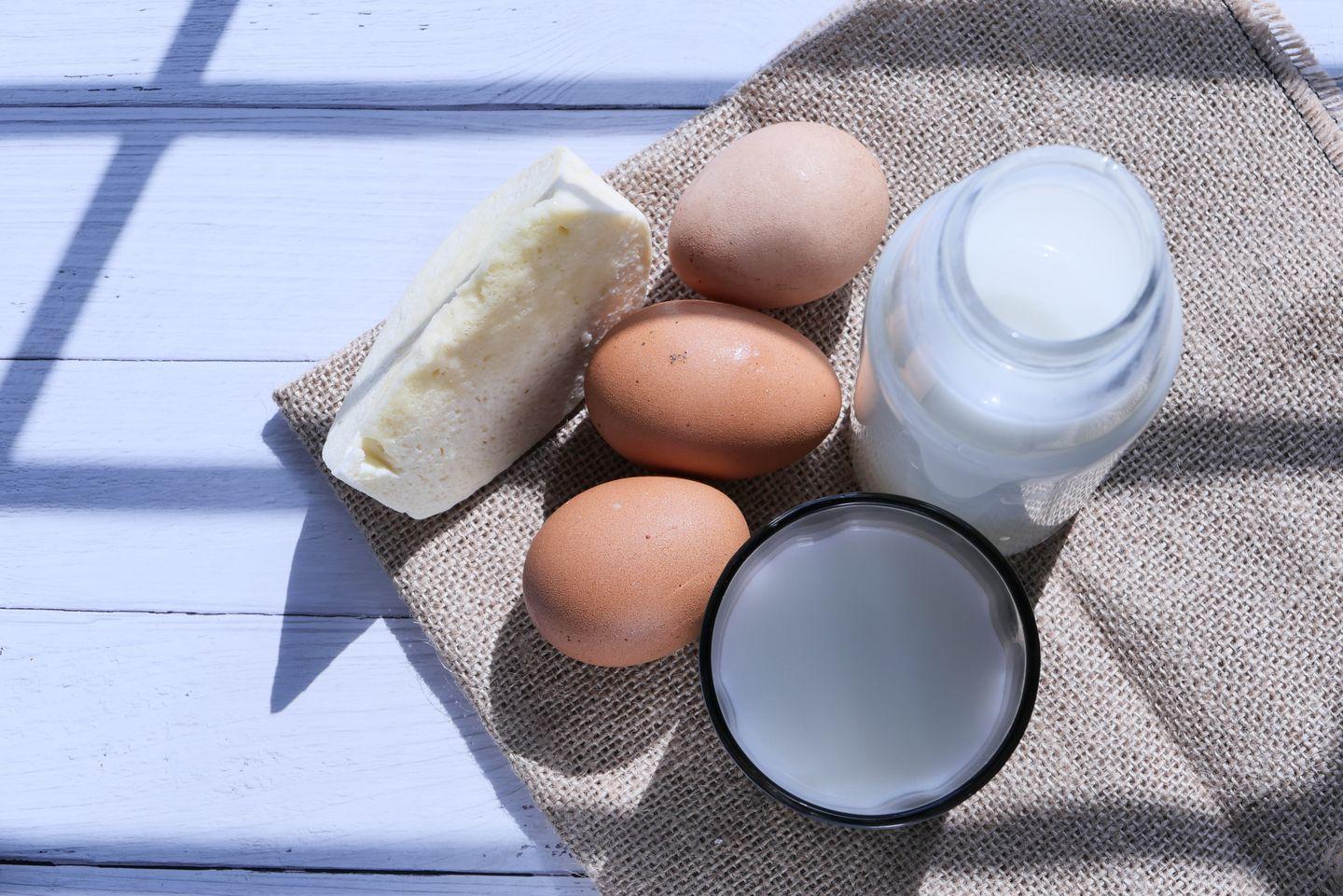
Milk protein concentrate is produced by concentrating milk proteins, commonly through membrane filtration. It generally contains both casein and whey proteins, although the ratio and the…
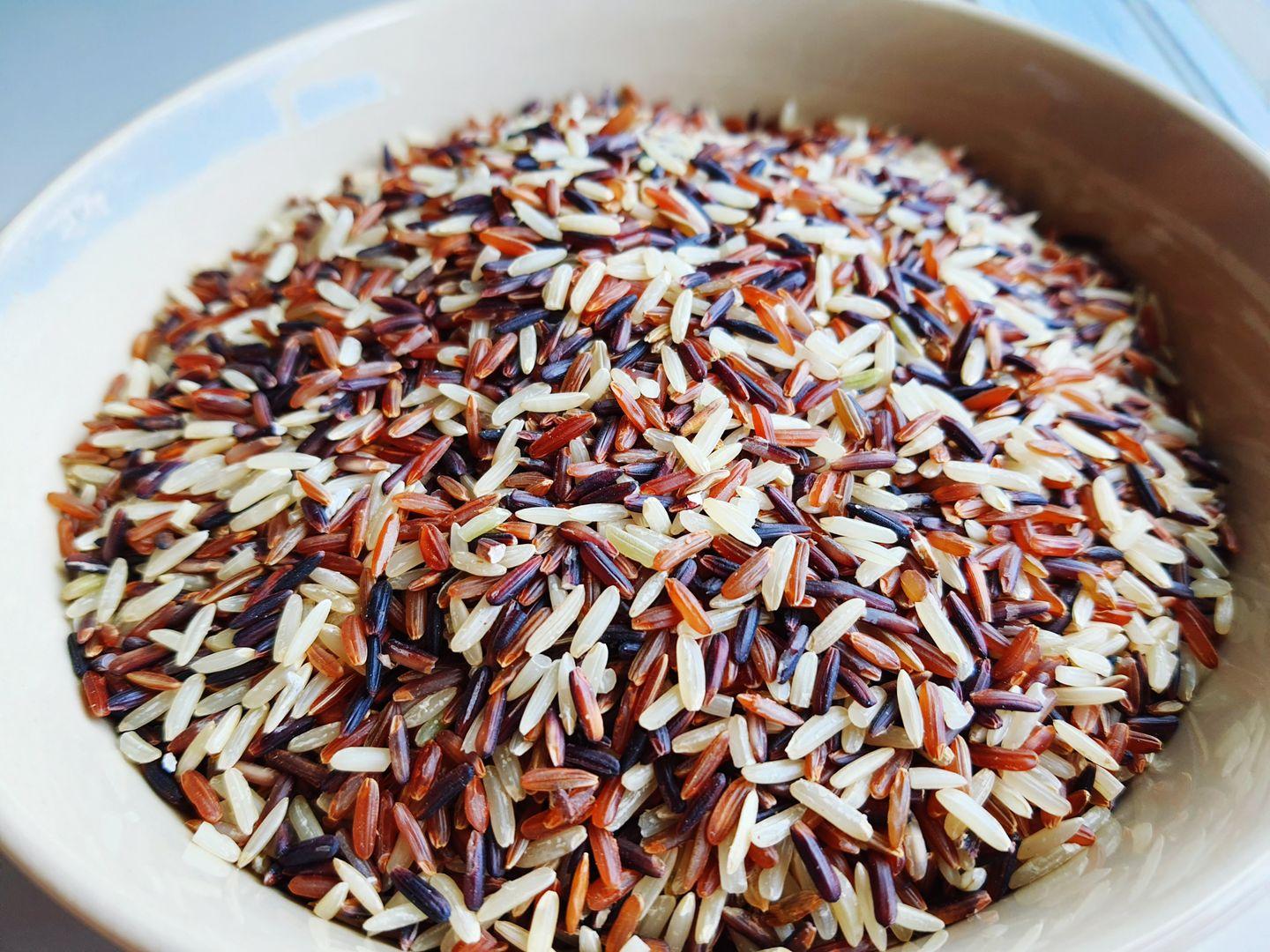
Rice protein concentrate is produced by separating much of the starch from rice, leaving a protein-rich fraction. Its amino-acid profile differs from animal proteins, so it should be…
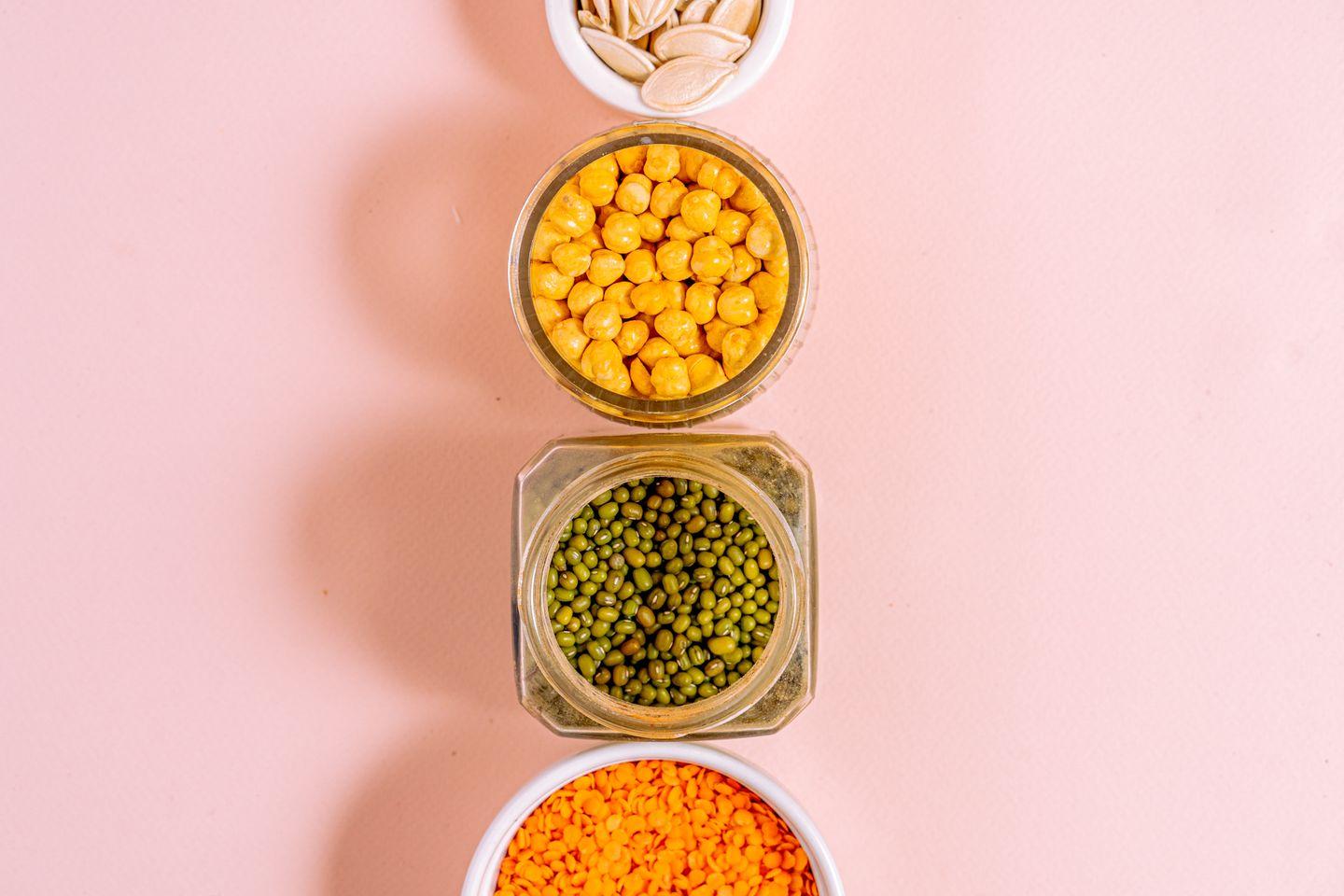
Mung bean protein is extracted or concentrated from mung beans and supplies plant-derived amino acids. Its nutritional value depends on extraction, residual starch and fibre, and heat…