Milk protein concentrate is produced by concentrating milk proteins, commonly through membrane filtration. It generally contains both casein and whey proteins, although the ratio and the…
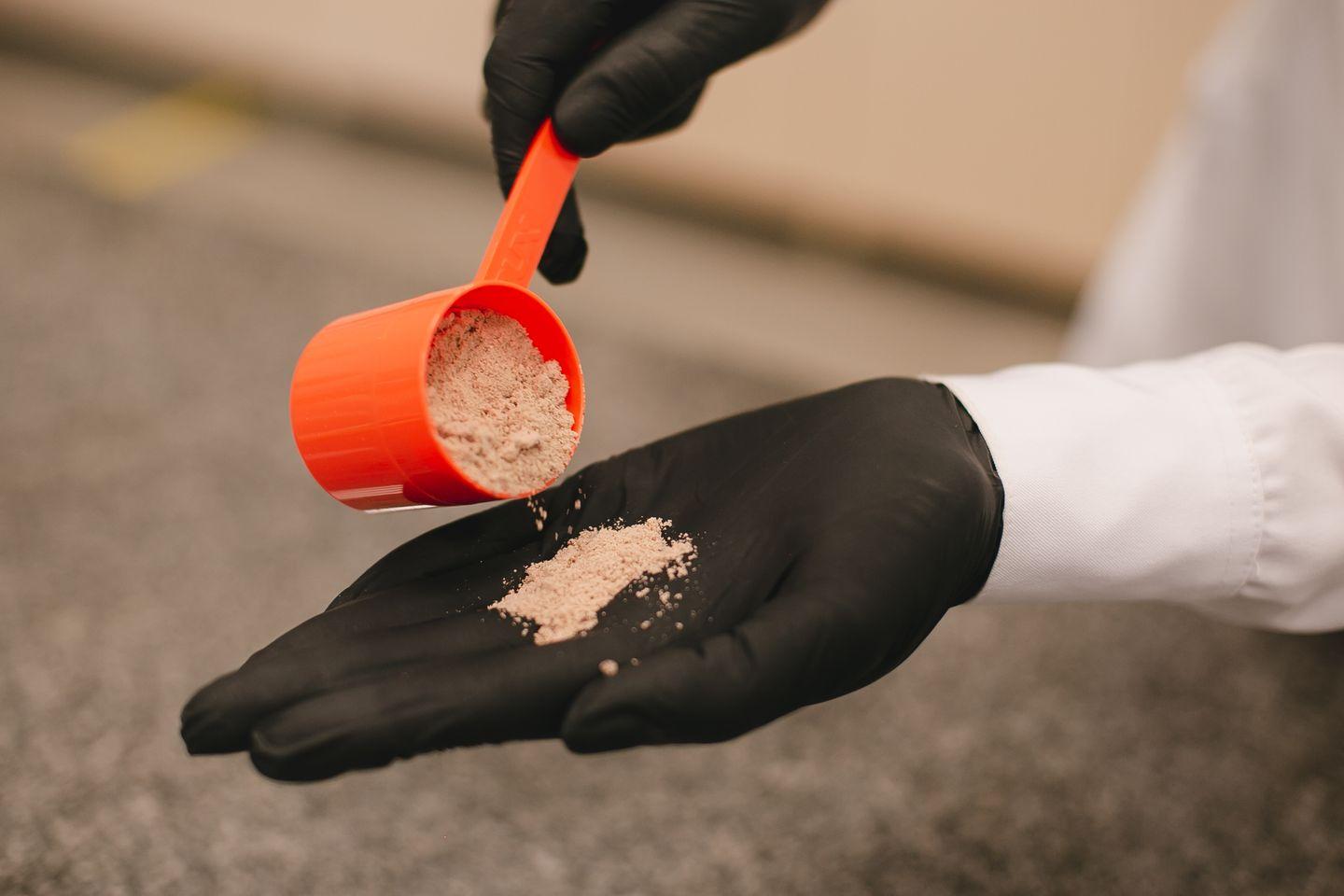
Milk protein concentrate is produced by concentrating milk proteins, commonly through membrane filtration. It generally contains both casein and whey proteins, although the ratio and the residual lactose and minerals depend on the manufacturing process. It is used for its protein content and functional properties.
It is distinct from whey protein concentrate, which is made from the whey fraction after curd separation. Milk protein concentrate can contain both major milk-protein groups and may retain some lactose and minerals. It is not automatically suitable for pets with milk-protein allergy, even if the lactose level is reduced.
Its use in pet food should be judged by the finished product's amino-acid profile, digestibility and nutritional adequacy. It is not a complete diet by itself and should not be marketed as a treatment for muscle loss, poor coat or digestive disease without clinical evidence.
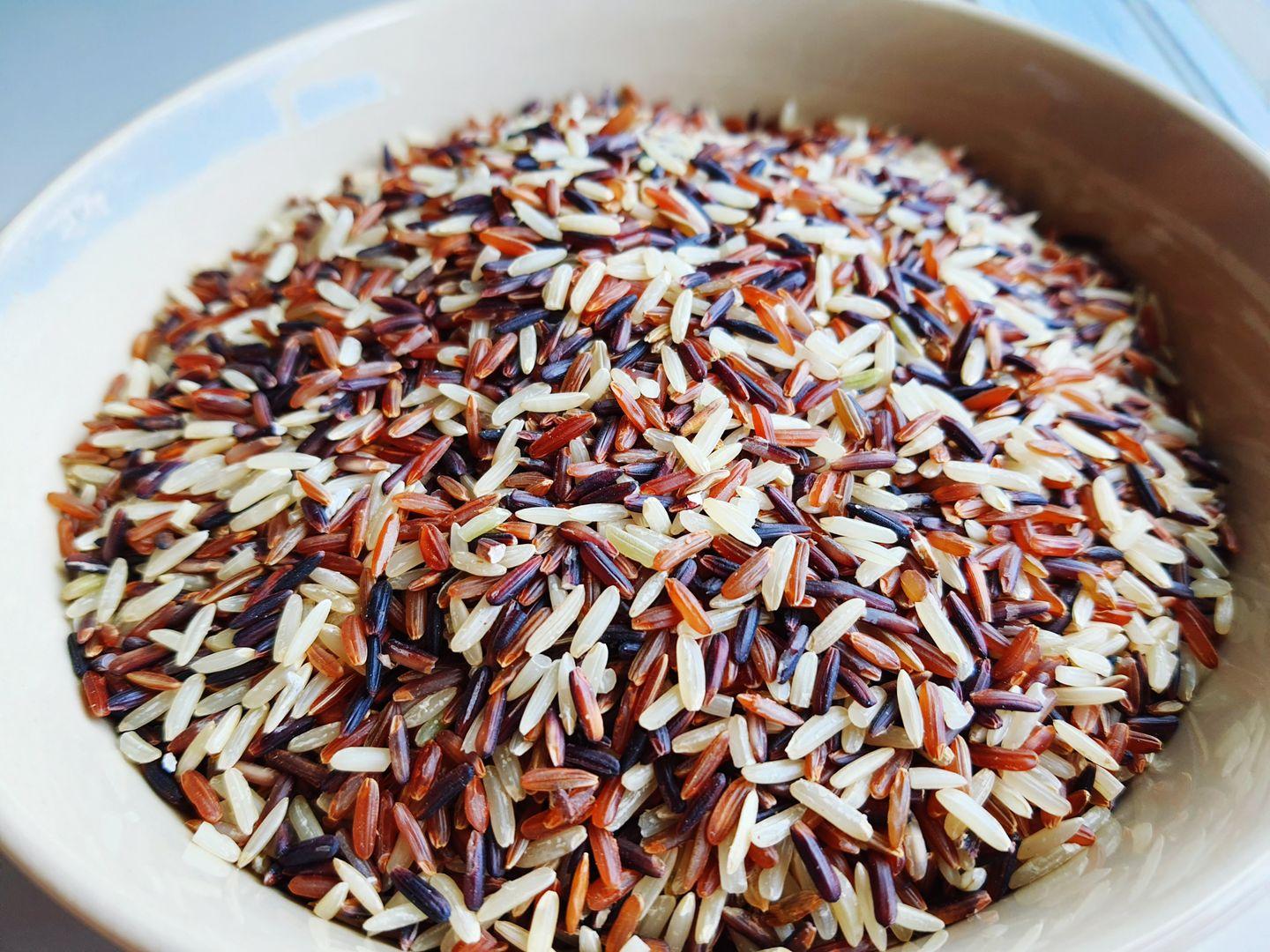
Rice protein concentrate is produced by separating much of the starch from rice, leaving a protein-rich fraction. Its amino-acid profile differs from animal proteins, so it should be…
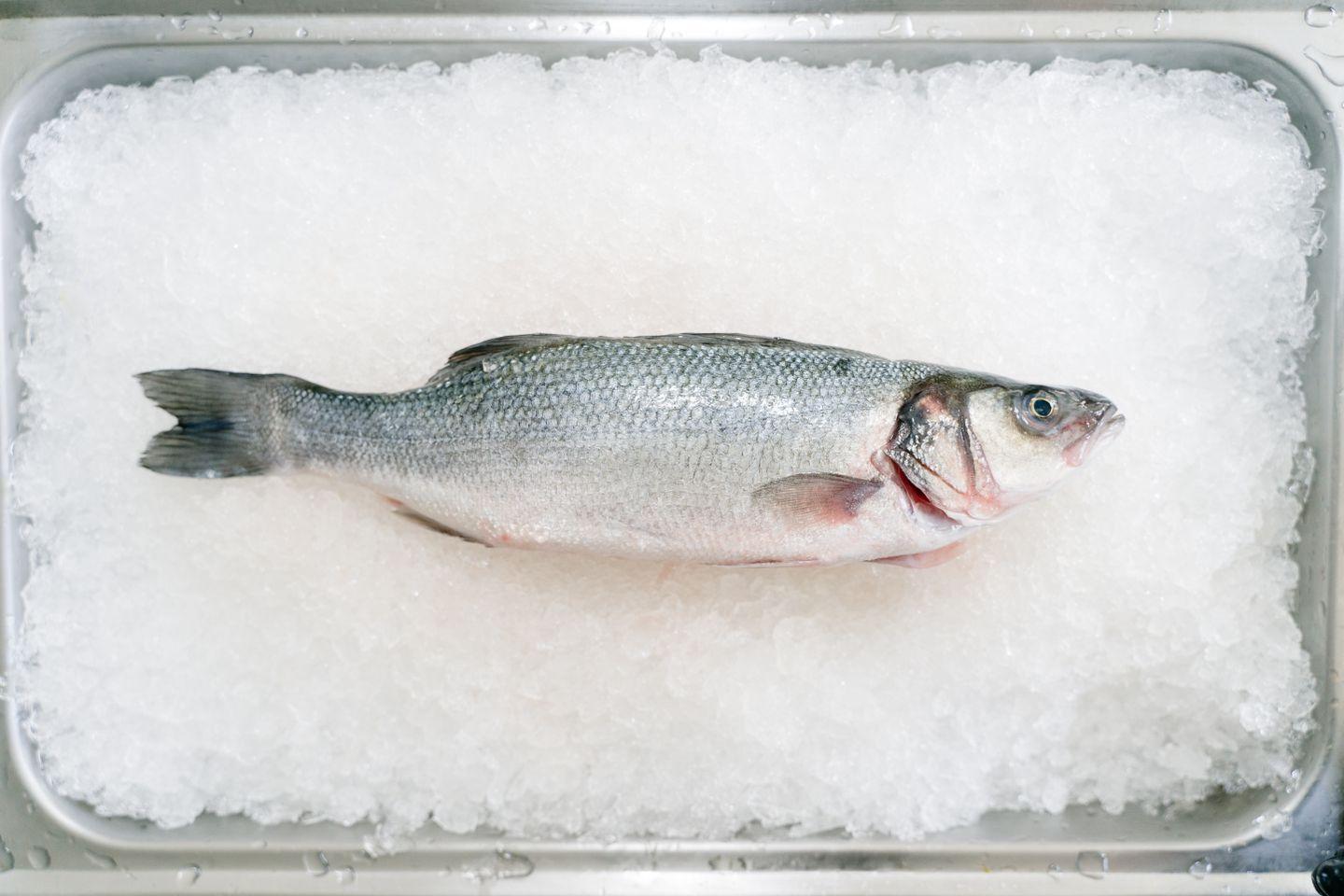
Fish protein concentrate is a processed fish-derived ingredient in which water and, depending on the process, some fat and other components are removed to concentrate protein. The term can…
Fungal protein concentrate is produced by separating or concentrating protein from fungal biomass. It differs from whole mycoprotein, which may retain cell-wall fibre and other cellular…