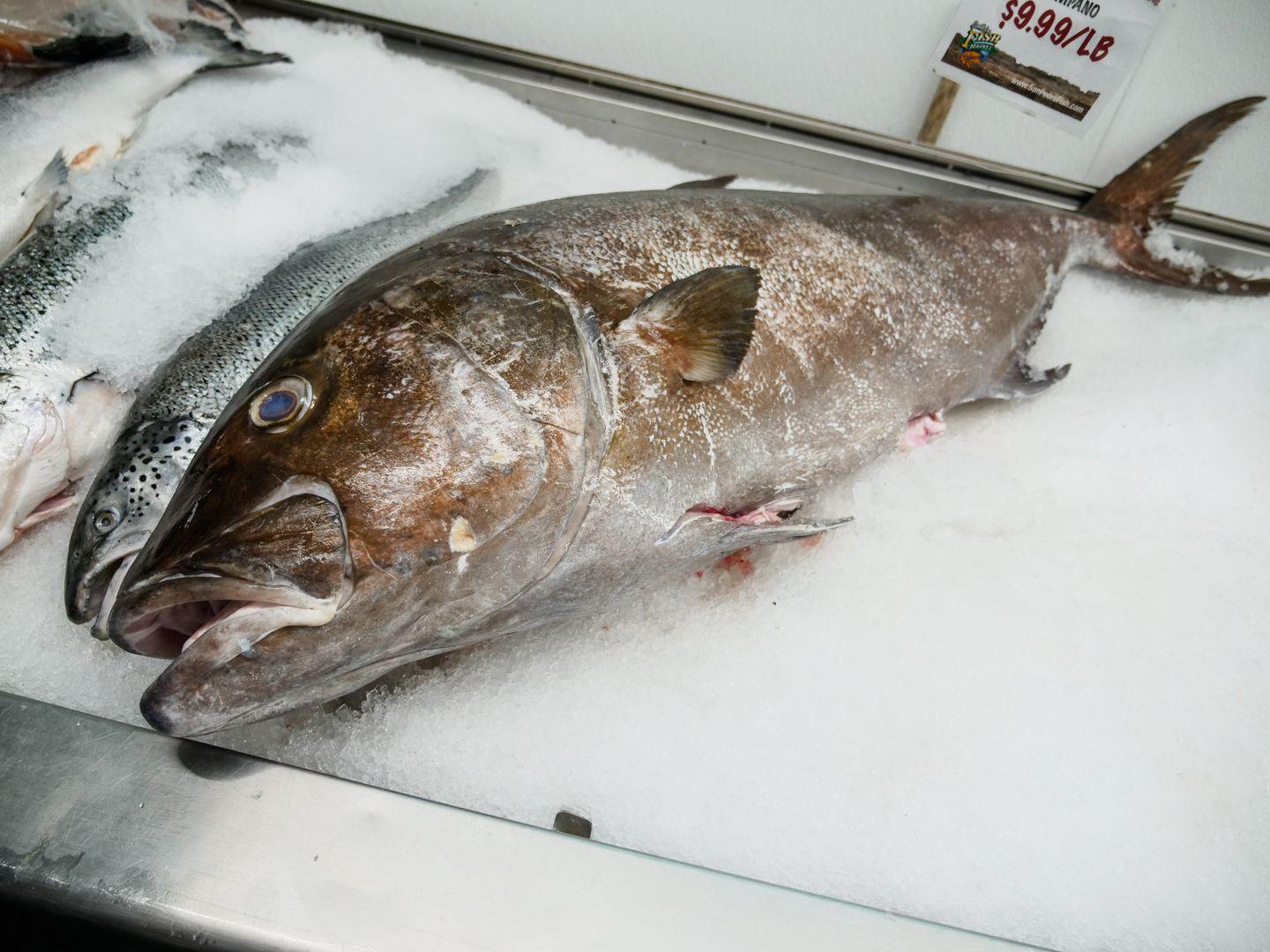
Fermented fish protein is produced when microorganisms or enzymes break down fish tissue or fish-derived protein. Depending on the method, the result may be a liquid fish hydrolysate, paste,…
Fermented fish protein is produced when microorganisms or enzymes break down fish tissue or fish-derived protein. Depending on the method, the result may be a liquid fish hydrolysate, paste, soluble protein fraction or dried ingredient. Fermentation can generate peptides and flavour compounds.
The name alone does not establish the species used, protein concentration, degree of hydrolysis or microbial safety. Traditional fish sauces and fermented fish products for human consumption are not automatically suitable for pet food; salt levels, biogenic amines, histamine and process hygiene require attention.
For dogs and cats, assess amino-acid composition, digestibility, oxidation, histamine and other biogenic amines, microbial quality and contaminants. Fermentation does not automatically make fish protein hypoallergenic. Evidence for one controlled product cannot be generalised to all fermented fish ingredients.
References
Kristinsson HG, Rasco BA. Fish protein hydrolysates: production, biochemical, and functional properties. Crit Rev Food Sci Nutr. 2000;40(1):43–81. doi:10.1080/10408690091189266. PMID:10674201. • FAO. The Production of Fish Meal and Oil. FAO Fisheries Technical Paper 142; 1986.
Fermented rice protein is produced when selected microorganisms or enzymes act on rice protein or rice-derived substrates. Depending on the process, fermentation may change flavour,…
Fermented soy protein is made by allowing selected microorganisms or enzymes to act on soybeans or soy protein ingredients. Fermentation can alter flavour, reduce some antinutritional…
Fermented plant protein is a broad category covering proteins from legumes, cereals and oilseeds that have been modified through microbial fermentation. The process can alter flavour, reduce…