Fresh Vegetables: Carrots, Broccoli, Capsicum and Leafy Greens
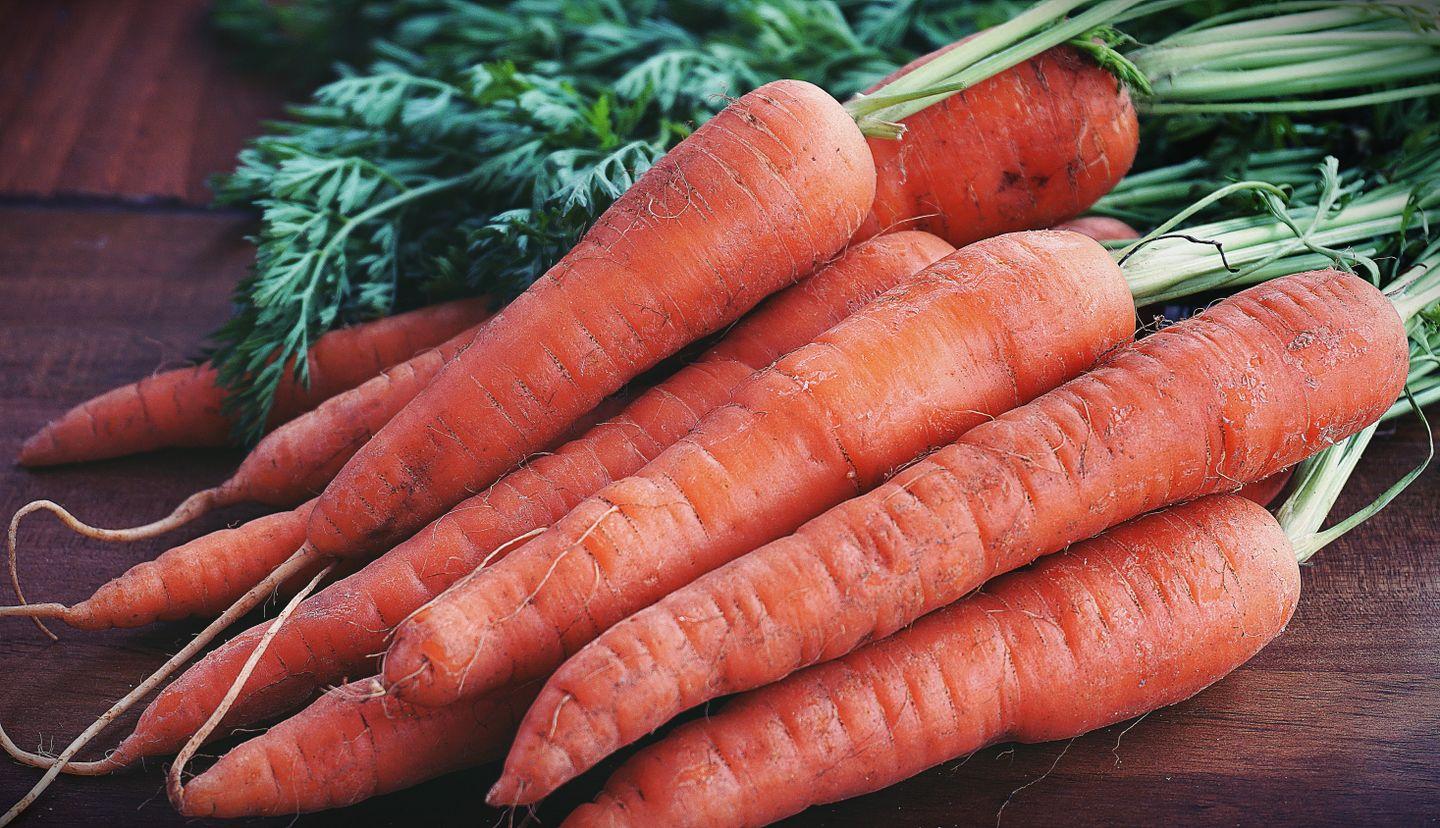
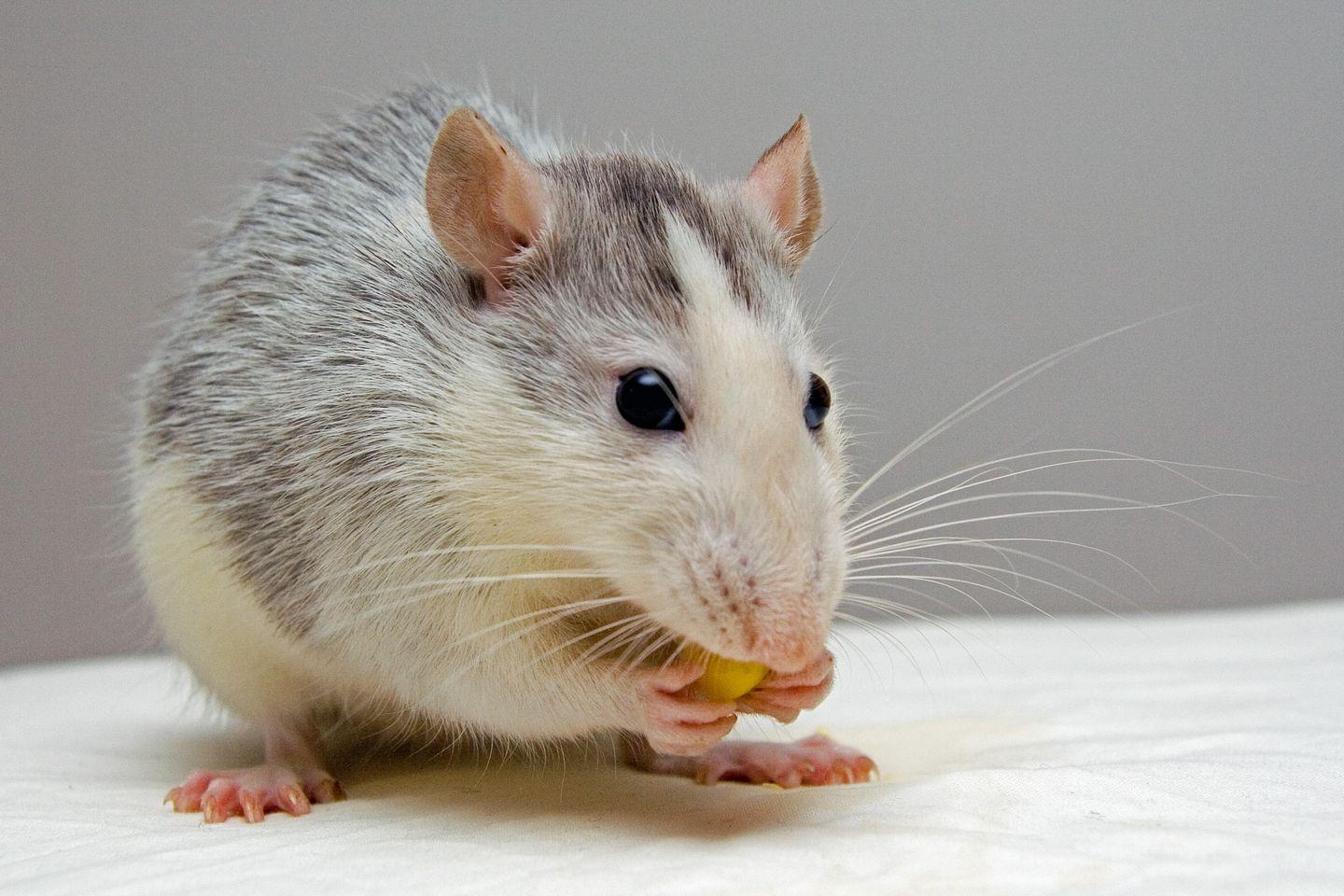
Fresh vegetables can add texture, water and variety to a rat’s or mouse’s diet. Carrot, broccoli, capsicum and selected leafy greens may be offered in small, appropriate portions, but…
Fresh vegetables can add texture, water and variety to a rat’s or mouse’s diet. Carrot, broccoli, capsicum and selected leafy greens may be offered in small, appropriate portions, but vegetables should complement a nutritionally complete rodent food rather than replace it.
Wash produce under clean running drinking water and remove soil, damaged areas and inedible parts. Cut pieces to a size the animal can manage. Introduce one vegetable at a time and start with a small amount. A sudden large serving of unfamiliar food may upset digestion, while uneaten pieces can spoil in a warm cage.
Carrot is palatable but contains more natural sugar than many leafy vegetables, so it is best treated as one component of variety rather than a daily staple in large amounts. Broccoli can be offered in modest portions. Capsicum provides moisture and plant nutrients; remove the stem and seeds if they are awkward to eat. Leafy greens vary considerably in nutrient composition, so rotate suitable options rather than relying on one plant.
Indian produce may carry soil, pesticide residues or microbial contamination. Washing reduces some surface residues but does not guarantee removal of every pesticide. Do not use detergent, household disinfectant or concentrated chemical washes on food intended for pets. Rinse thoroughly and dry excess water before serving.
Avoid spoiled, slimy, mouldy or strongly seasoned vegetables. Do not offer cooked preparations containing onion, garlic, chilli, excess salt, oil or masala.
Fresh food should be removed promptly, especially in hot weather. A rat may manage a larger piece than a mouse, but both need portion control and observation. Persistent diarrhoea, appetite loss or a change in droppings warrants veterinary attention.
References
RSPCA Knowledgebase, rat and mouse feeding guidance (2024).
Calcium, phosphorus and vitamins support bones, teeth, nerves, muscles, metabolism and many other functions. Rats and mice need these nutrients in appropriate amounts and proportions. Adding…
Rats and mice are omnivores. In natural settings they may consume insects and other animal material, but this does not mean pet owners should build a diet around meat, eggs or feeder…
Sunflower seeds, pumpkin seeds and groundnuts are energy-dense foods. Their aroma and texture can make them attractive to pet rats and mice, but that appeal is exactly why they should not…