Seeds and Nuts: Sunflower Seeds, Pumpkin Seeds and Groundnuts
Sunflower seeds, pumpkin seeds and groundnuts are energy-dense foods. Their aroma and texture can make them attractive to pet rats and mice, but that appeal is exactly why they should not…
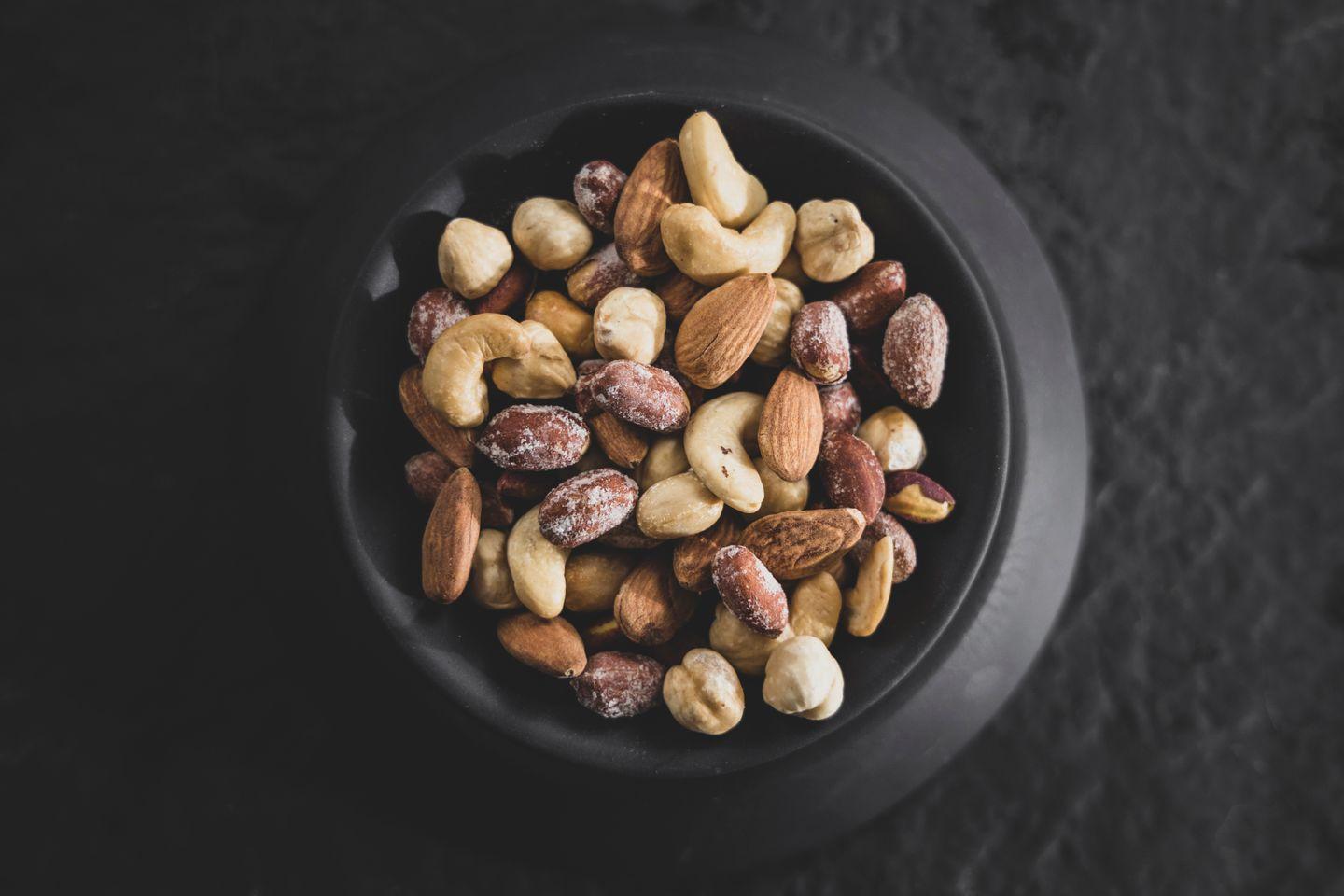
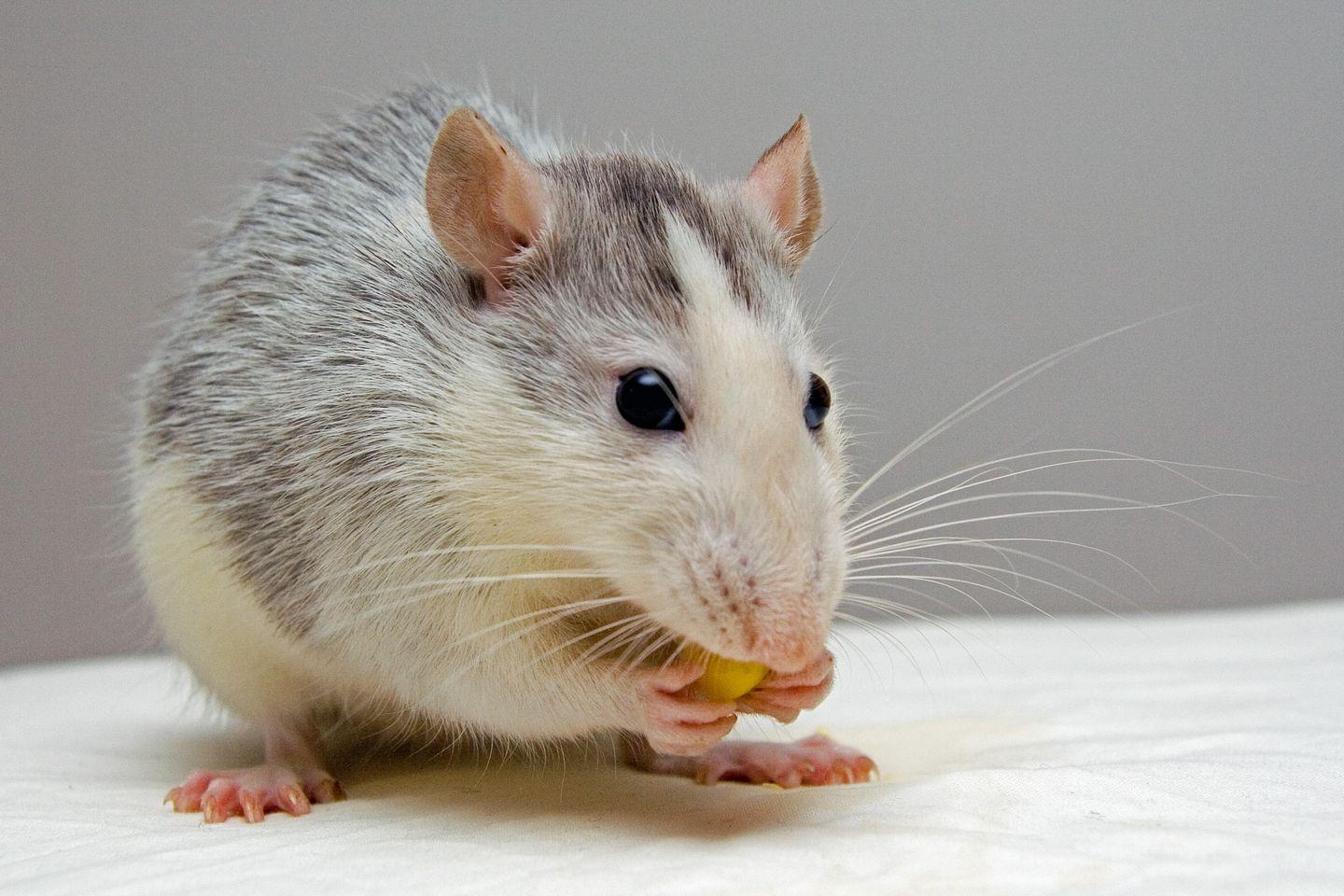
Sunflower seeds, pumpkin seeds and groundnuts are energy-dense foods. Their aroma and texture can make them attractive to pet rats and mice, but that appeal is exactly why they should not become the foundation of the diet.
Seeds and nuts contain fats, protein and minerals, but their nutrient profile varies. Sunflower seeds are particularly rich in fat. Pumpkin seeds also supply fat and protein. Groundnuts provide energy and protein, but are an important food-safety concern because they can be contaminated with aflatoxins before or after harvest.
A few plain pieces may be used as occasional enrichment, provided the animal’s main diet is nutritionally complete and the treat does not contribute to weight gain. Avoid salted, masala-coated, honey-roasted, sugar-coated or oil-fried products. Remove shells where they create a choking, hygiene or storage concern, and do not offer mouldy, rancid or bitter nuts.
Aflatoxin deserves particular attention in Indian conditions. It is produced by certain Aspergillus moulds and may contaminate groundnuts and other crops. Contamination is not always visible, and cutting away a mouldy patch does not make the rest of a batch safe. Discard suspect stock rather than attempting to rescue it by washing, roasting or mixing it with fresh feed.
Buy small quantities from reliable suppliers. Check for dampness, insect damage, musty smells, shrivelling and discolouration. Store in dry, airtight containers and avoid prolonged storage in warm, humid places.
For rats and mice, seeds and nuts are treats, not complete nutrition. If a pet is gaining weight, reduce energy-dense extras and review the whole feeding plan with a veterinarian.
References
RSPCA Knowledgebase, rat and mouse feeding guidance (2024).
Calcium, phosphorus and vitamins support bones, teeth, nerves, muscles, metabolism and many other functions. Rats and mice need these nutrients in appropriate amounts and proportions. Adding…
Rats and mice are omnivores. In natural settings they may consume insects and other animal material, but this does not mean pet owners should build a diet around meat, eggs or feeder…
Green gram, chickpeas, peas and lentils are familiar sources of plant protein in India. They can be nutritionally useful ingredients in human diets, but their suitability for pet rats and…