Fruits: Apple, Banana, Papaya and Other Occasional Treats
Fruit is not essential when the main diet is complete. Small amounts of suitable fruit may be offered occasionally to rats, but fruit choice should be checked separately for mice. Some foods…
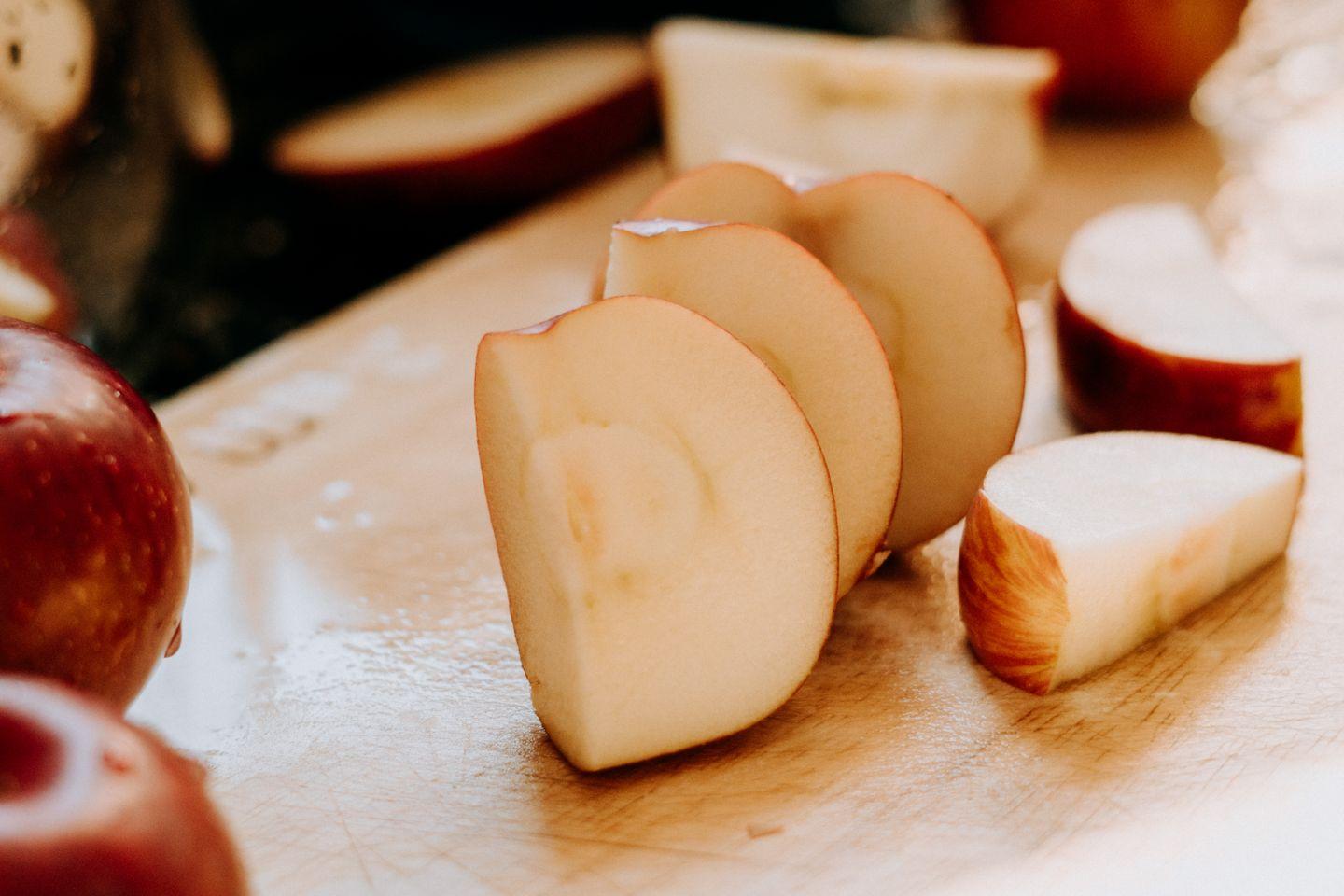
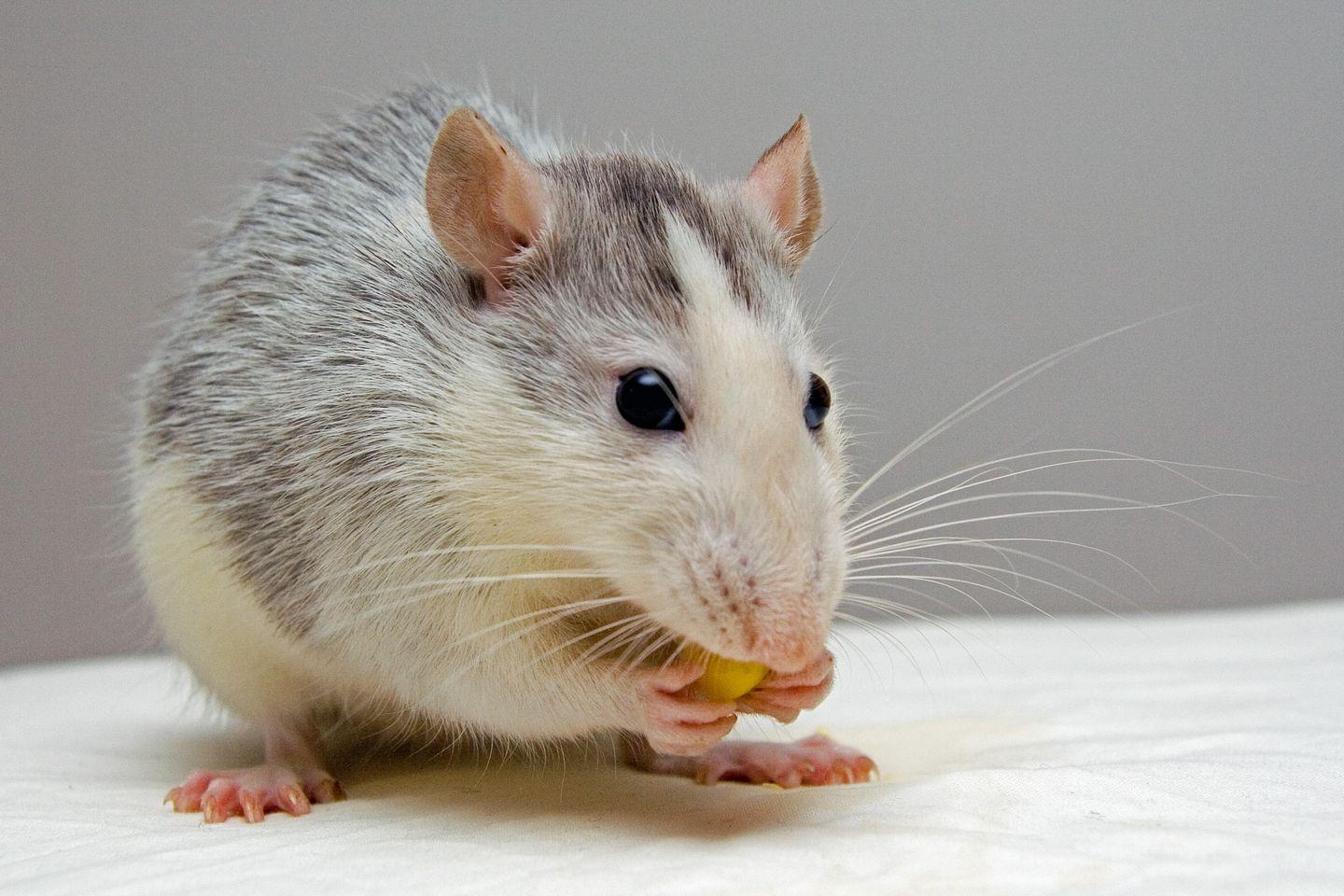
Fruit is not essential when the main diet is complete. Small amounts of suitable fruit may be offered occasionally to rats, but fruit choice should be checked separately for mice. Some foods considered acceptable for rats are not necessarily suitable for mice; for example, RSPCA guidance specifically warns against grapes and raisins for mice. Apple seeds must not be fed.
Fruit contains water, fibre and naturally occurring sugars. The amount of sugar varies: banana is more energy-dense than many watery fruits, while papaya and apple also contribute sugars. A treat that seems tiny to a person can be a meaningful portion for a mouse. Rats are larger, but still benefit from moderation.
Wash fruit thoroughly. Remove pits, stones, seeds and tough parts where relevant. Apple seeds should not be fed; they contain cyanogenic compounds. Never offer mouldy, fermented, bruised or overripe fruit. Avoid dried fruit as a routine treat because drying concentrates sugars and makes it easy to feed too much.
In Indian homes, fruit may be offered from the family table. Do not share fruit salad, canned fruit in syrup, sweetened yoghurt, desserts or fruit mixed with salt and spices. Offer a plain piece instead. Introduce unfamiliar fruit gradually and remove leftovers before they attract insects or ferment.
Obesity is a common concern in pet rodents, and a high-calorie treat habit can undermine portion control. If a rat or mouse is overweight, diabetic or has another medical condition, ask the veterinarian which treats are appropriate. Do not assume that a food is safe simply because it is natural.
Fruit should remain an occasional extra. The foundation is a species-appropriate complete diet, clean water and an environment that encourages movement and foraging.
References
RSPCA Knowledgebase, rat and mouse feeding guidance (2024).
Merck Veterinary Manual, “Mice and Rats as Pets” (2026).
National Research Council, Nutrient Requirements of Laboratory Animals (1995).
Rats and mice are omnivores. In natural settings they may consume insects and other animal material, but this does not mean pet owners should build a diet around meat, eggs or feeder…
Calcium, phosphorus and vitamins support bones, teeth, nerves, muscles, metabolism and many other functions. Rats and mice need these nutrients in appropriate amounts and proportions. Adding…
Sunflower seeds, pumpkin seeds and groundnuts are energy-dense foods. Their aroma and texture can make them attractive to pet rats and mice, but that appeal is exactly why they should not…