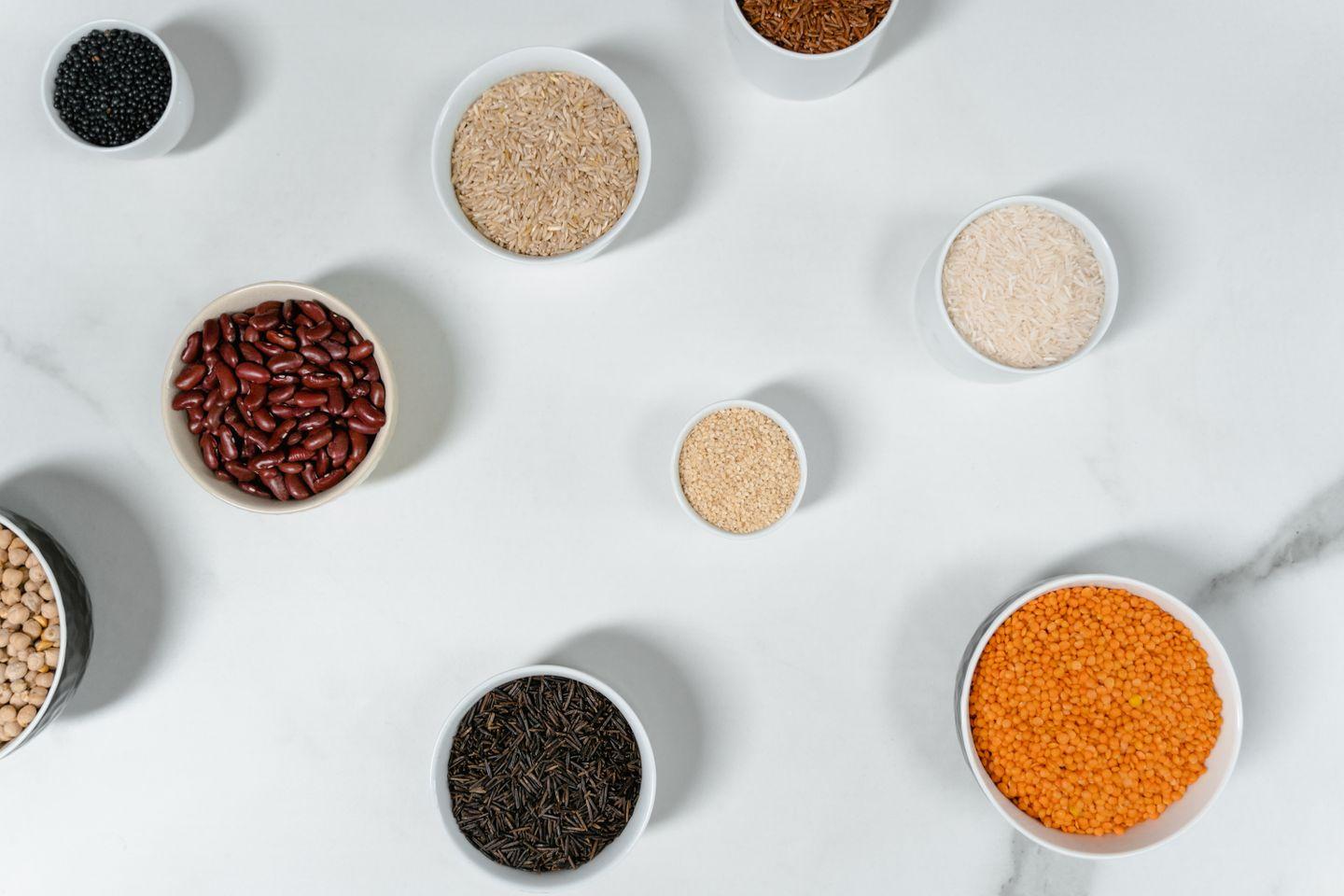
Green gram, chickpeas, peas and lentils are familiar sources of plant protein in India. They can be nutritionally useful ingredients in human diets, but their suitability for pet rats and…
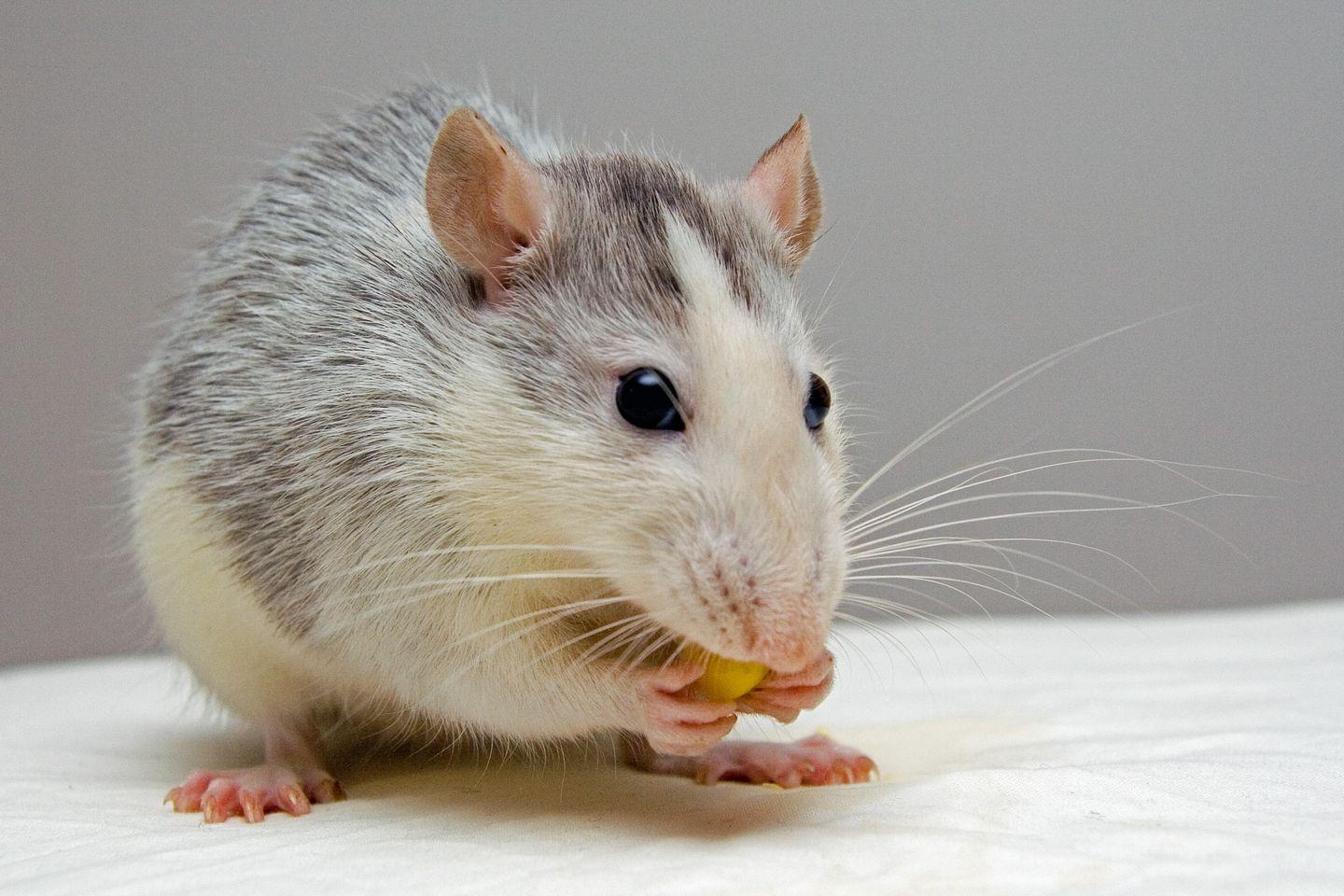
Green gram, chickpeas, peas and lentils are familiar sources of plant protein in India. They can be nutritionally useful ingredients in human diets, but their suitability for pet rats and mice depends on preparation, quantity and the role they play in the complete feed.
Dry pulses are concentrated foods. Raw or inadequately cooked legumes may contain antinutritional factors and can be difficult to digest. Cooking reduces some of these compounds, but cooked pulses are moist and spoil quickly. If offered at all, provide a small amount of plain, thoroughly cooked and cooled pulse, without salt, oil, chilli, turmeric, onion, garlic or other seasoning.
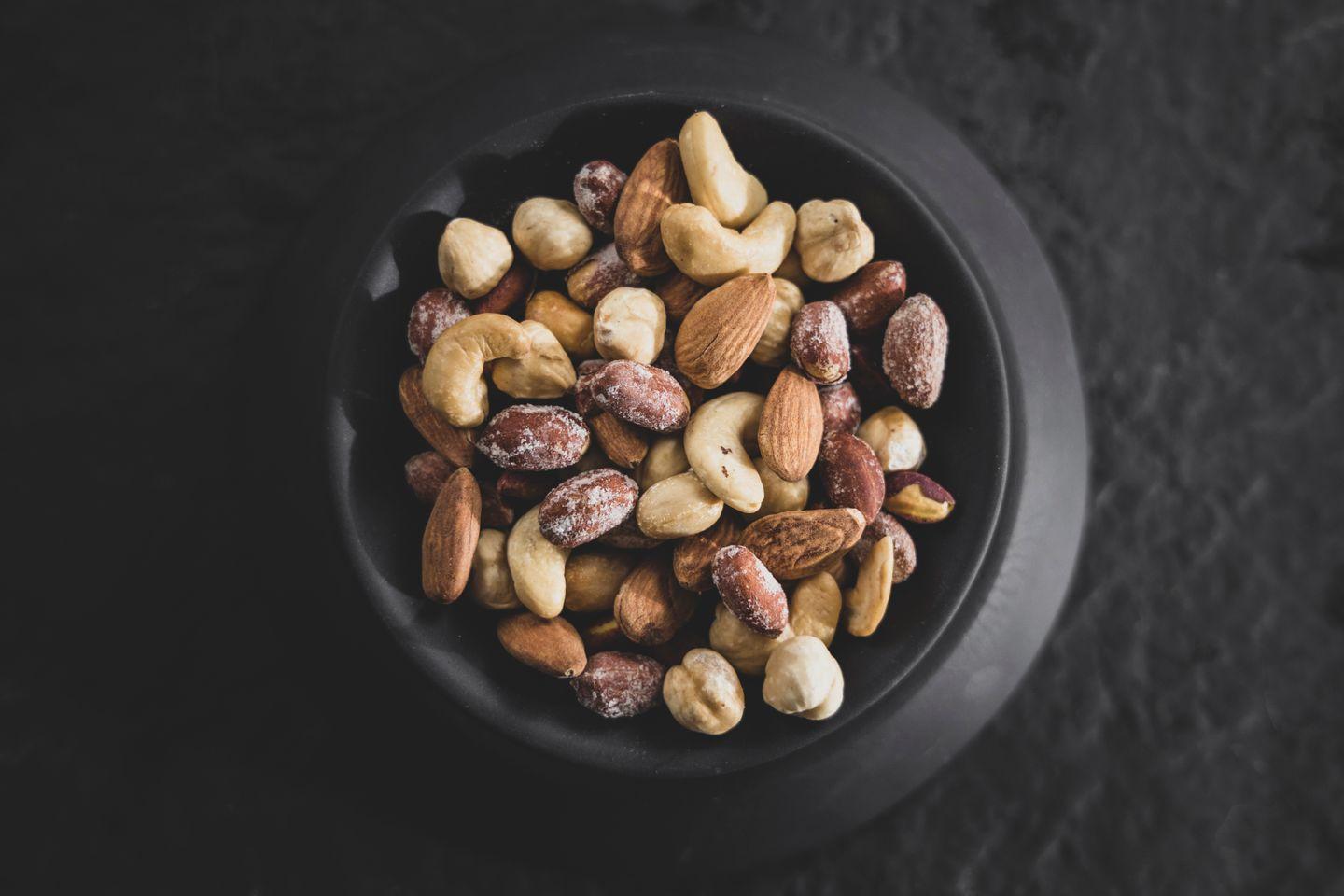
Do not offer salted roasted chana, masala peanuts, fried dal, papad, namkeen or packaged pulse snacks. These are human snack foods, not suitable rodent treats. Sprouted pulses require particular caution because warm, moist sprouting conditions can allow bacteria such as Salmonella to multiply. Rinsing does not reliably eliminate contamination.
Pulses should not replace a complete rodent diet. Their protein content alone does not establish that they provide the right amino-acid balance, vitamins, minerals or energy profile. Commercial rodent diets may use processed plant protein ingredients under controlled formulation; that is different from feeding a bowl of household pulses.
Start with a very small portion if the veterinarian agrees it is appropriate, and observe appetite and droppings. Remove uneaten food quickly, especially in India’s warm climate. Avoid pulses that smell musty, show mould or have insect damage.
A familiar kitchen ingredient is not automatically a suitable everyday pet food. Use legumes as an occasional, carefully prepared extra rather than a dietary foundation.
References
Merck Veterinary Manual, “Mice and Rats as Pets” (2026).
National Research Council, Nutrient Requirements of Laboratory Animals (1995).
US FDA, Guidance for Industry: Reducing Microbial Food Safety Hazards in Seed for Sprouting (2022).
Calcium, phosphorus and vitamins support bones, teeth, nerves, muscles, metabolism and many other functions. Rats and mice need these nutrients in appropriate amounts and proportions. Adding…
Rats and mice are omnivores. In natural settings they may consume insects and other animal material, but this does not mean pet owners should build a diet around meat, eggs or feeder…
Sunflower seeds, pumpkin seeds and groundnuts are energy-dense foods. Their aroma and texture can make them attractive to pet rats and mice, but that appeal is exactly why they should not…