Millet, oats, barley and wheat are familiar ingredients in Indian kitchens. They may also appear in foods offered to pet rats and mice. Their usefulness depends on the form, quantity and…
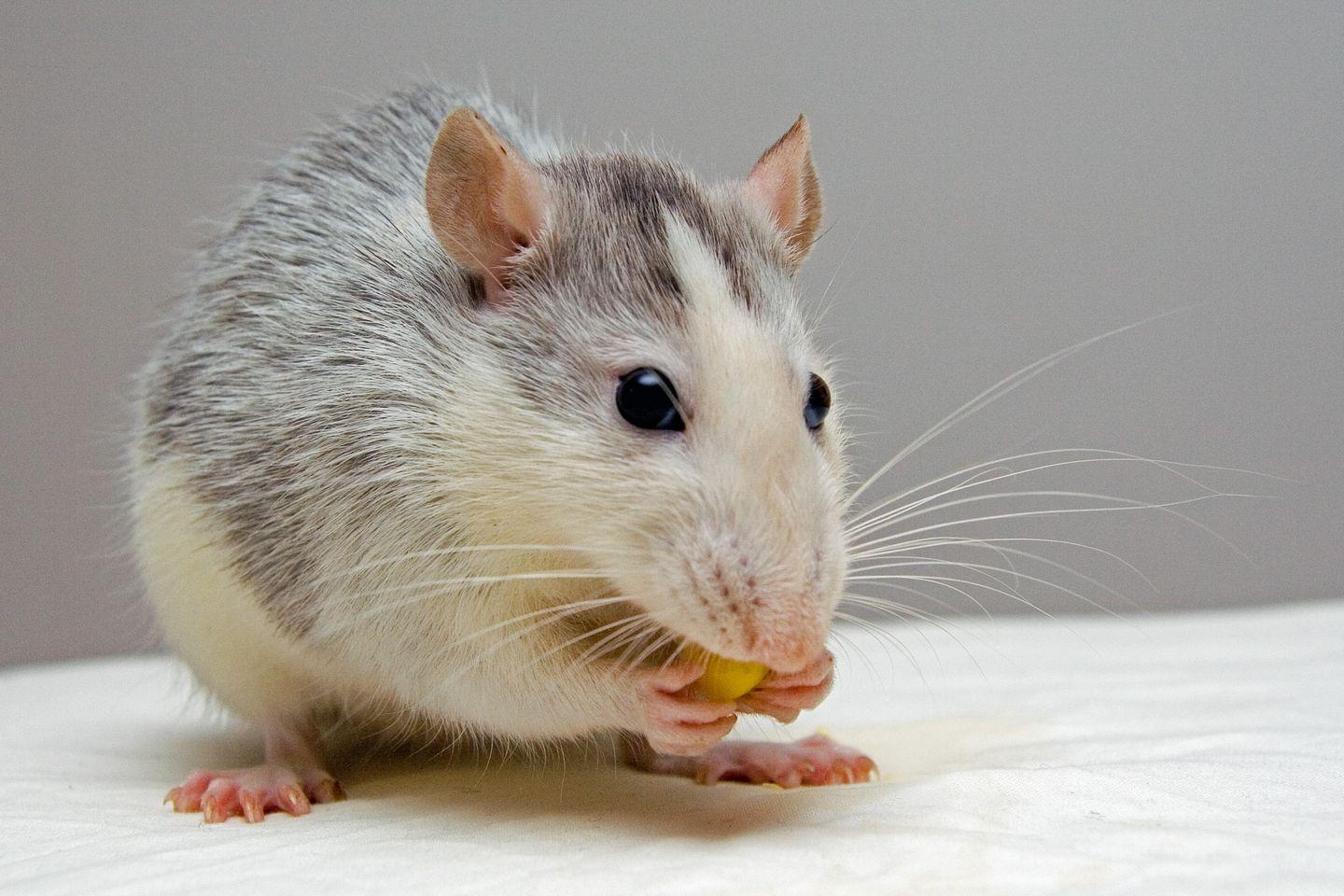
Millet, oats, barley and wheat are familiar ingredients in Indian kitchens. They may also appear in foods offered to pet rats and mice. Their usefulness depends on the form, quantity and role they play in the overall diet.
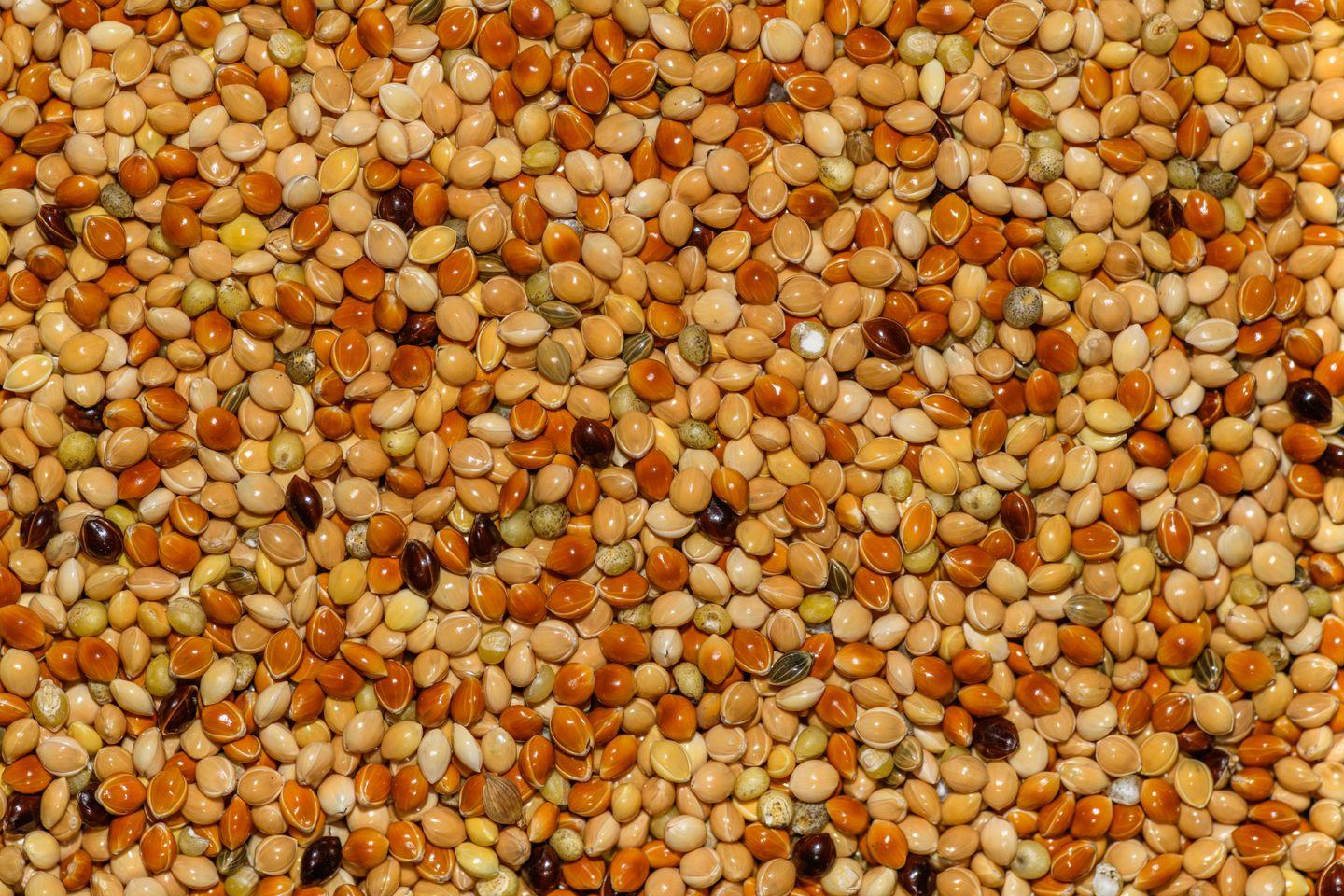
Whole grains provide starch for energy, along with varying amounts of protein, fibre, minerals and B vitamins. Oats contain soluble fibre; millet varieties contribute starch and some minerals; barley contains fermentable fibre; and wheat supplies energy and protein. These differences do not make any one grain a complete food. None provides every nutrient in the right proportion for a rat or mouse when fed alone.
A small amount of plain, clean grain can be used as enrichment or as part of a carefully designed feeding plan. Avoid salted, sweetened, flavoured, fried or spiced preparations. Human breakfast cereals, biscuits and bakery products are not substitutes for whole grains. They may contain added sugar, salt, fat or flavourings.
In India, grains should be inspected for insects, dampness, musty odour, discolouration and visible mould. Buy fresh stock in manageable quantities and store it in clean, dry, sealed containers. Do not assume that roasting or cooking makes mould-damaged grain safe; some mycotoxins are heat-stable.
The complete diet should remain the nutritional anchor. If grain treats are offered frequently, they can displace balanced food and contribute excess calories. Rats and mice can become overweight, particularly when food is abundant and activity is limited.
Use plain grains sparingly, introduce one new item at a time and observe stool quality and appetite. For young, breeding or medically compromised animals, ask an exotic-pet veterinarian whether additional foods are appropriate.
References
Merck Veterinary Manual, “Mice and Rats as Pets” (2026).
National Research Council, Nutrient Requirements of Laboratory Animals (1995).
Calcium, phosphorus and vitamins support bones, teeth, nerves, muscles, metabolism and many other functions. Rats and mice need these nutrients in appropriate amounts and proportions. Adding…
Rats and mice are omnivores. In natural settings they may consume insects and other animal material, but this does not mean pet owners should build a diet around meat, eggs or feeder…
Sunflower seeds, pumpkin seeds and groundnuts are energy-dense foods. Their aroma and texture can make them attractive to pet rats and mice, but that appeal is exactly why they should not…