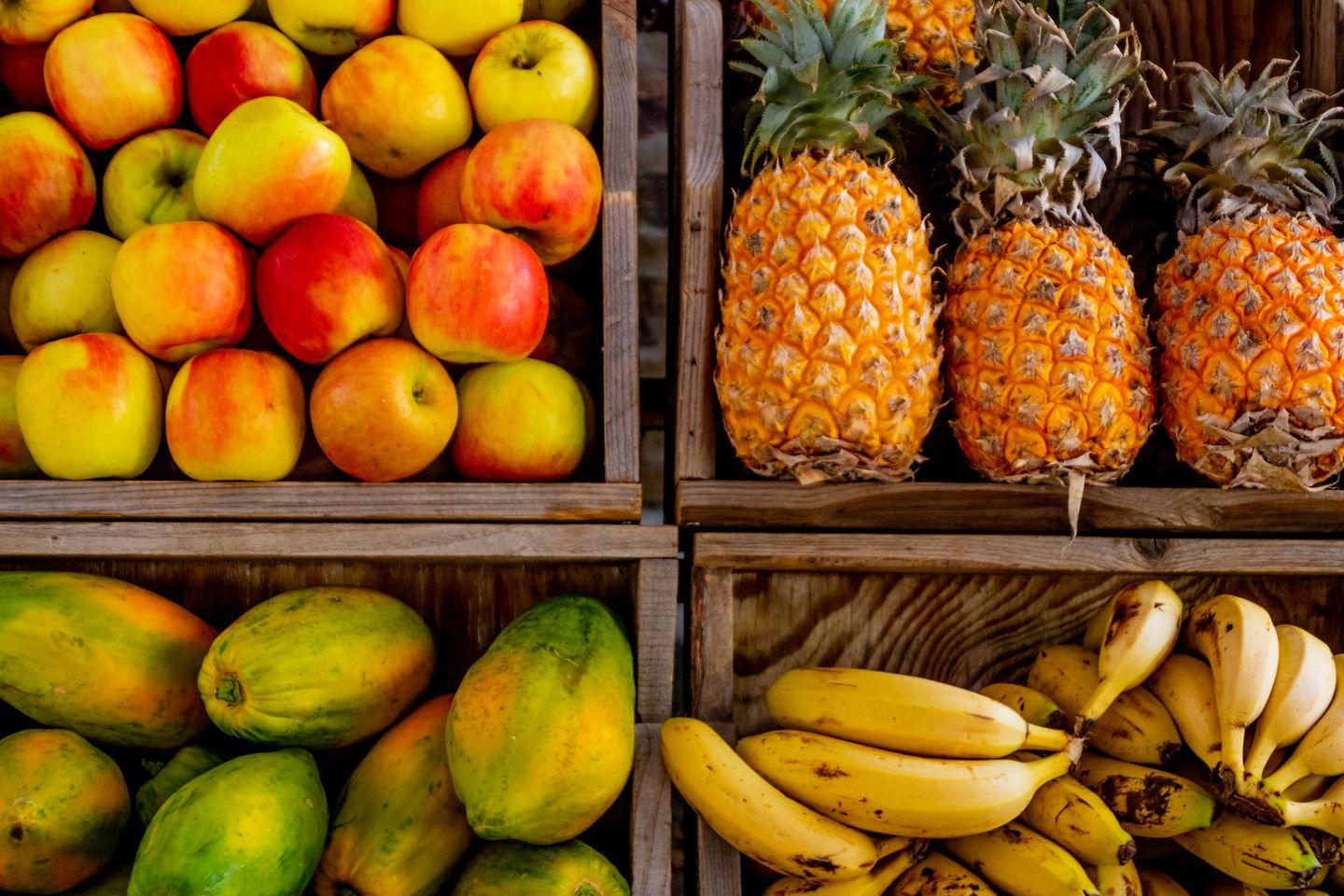
Mulberry fruit is much more sugary and less fibrous than mulberry leaves. It should not be a regular food for grazing tortoises. If a species-specific plan permits fruit, offer a very small…
Mulberry fruit is much more sugary and less fibrous than mulberry leaves. It should not be a regular food for grazing tortoises. If a species-specific plan permits fruit, offer a very small occasional portion and remove leftovers promptly. Wash the fruit and avoid produce exposed to pesticides or roadside pollution. The possible use of mulberry leaves as browse does not mean the fruit is equally suitable.
References
MSD Veterinary Manual, “Nutrition in Tortoises” (reviewed September 2025; last updated July 2026); MSD Veterinary Manual, “Nutrition in Reptiles” (reviewed September 2025; last updated October 2025).
Evidence note: General veterinary references do not establish an ingredient-specific safe quantity for every chelonian species. Feeding recommendations must be checked against the exact species, life stage and health status.
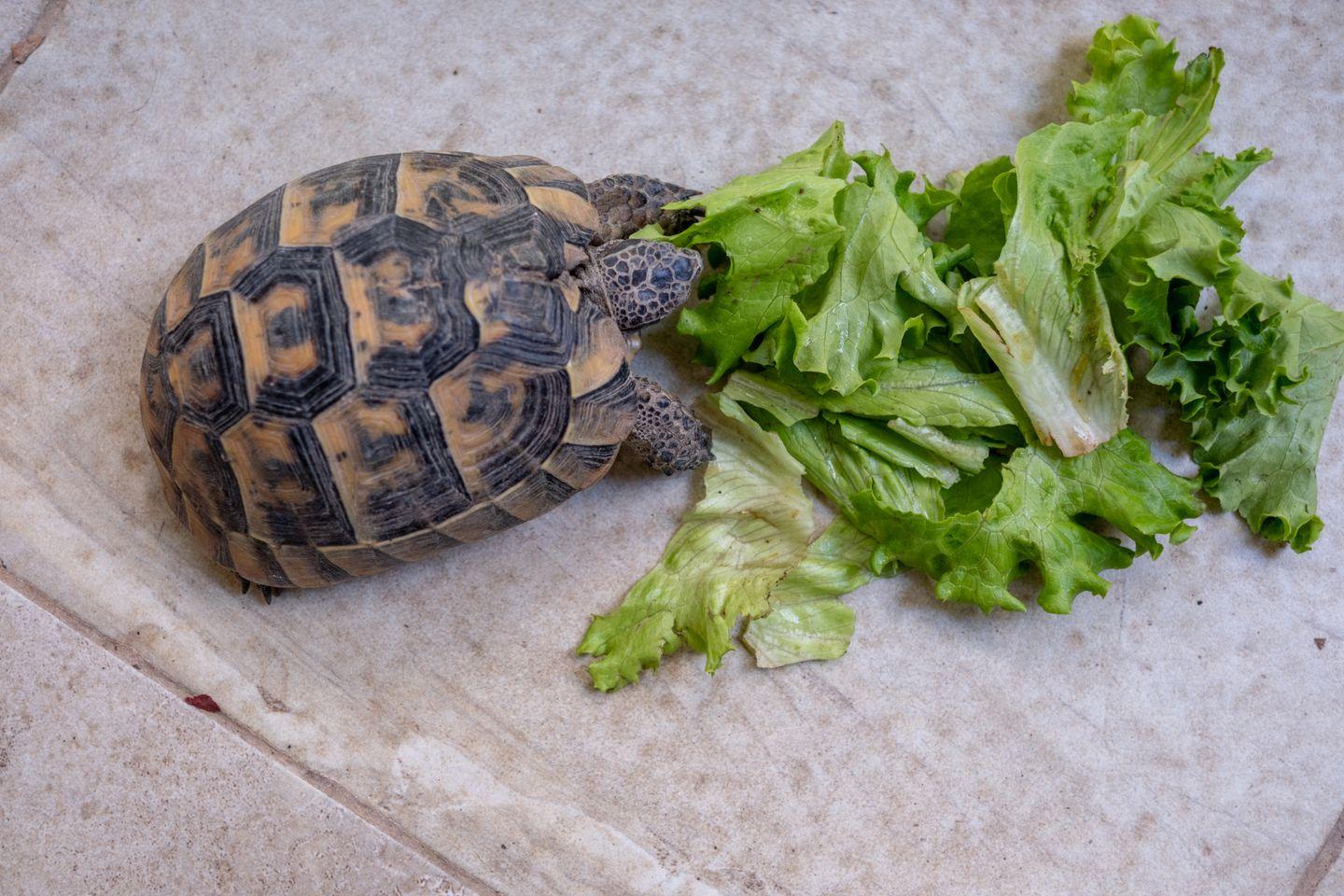
Mulberry leaves may be used as browse for some herbivorous tortoises. Harvest from trees not exposed to pesticides, roadside pollution or industrial contaminants. Wash the leaves and offer…
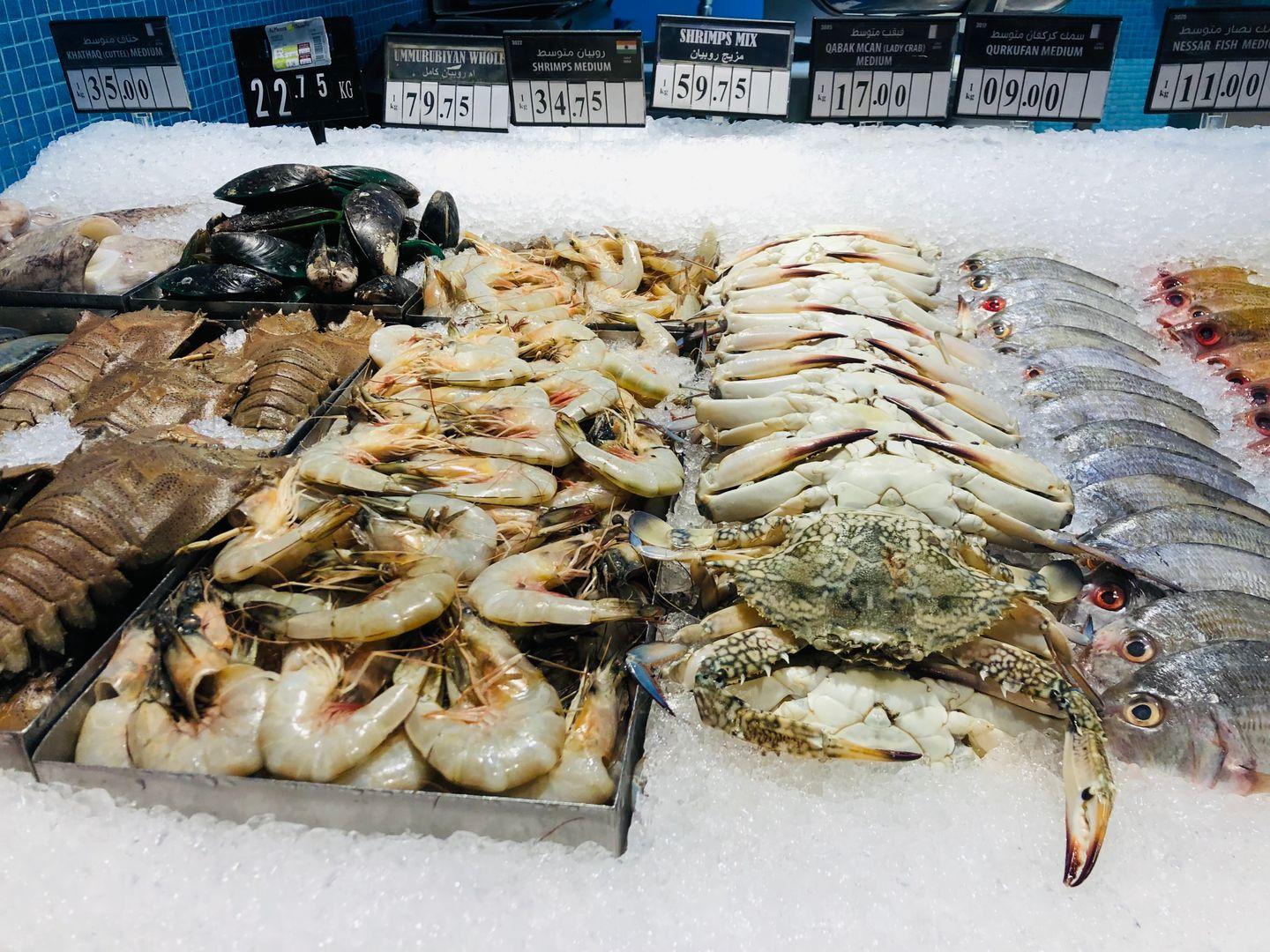
Shrimp and prawns may be eaten by some aquatic turtles, but dried shrimp products are not complete diets. They can lack nutrients required for long-term health and should not replace a…
Aloe should not be recommended as a routine tortoise food or home remedy. Aloe species and preparations differ, and some contain latex compounds with laxative effects in mammals; reliable…