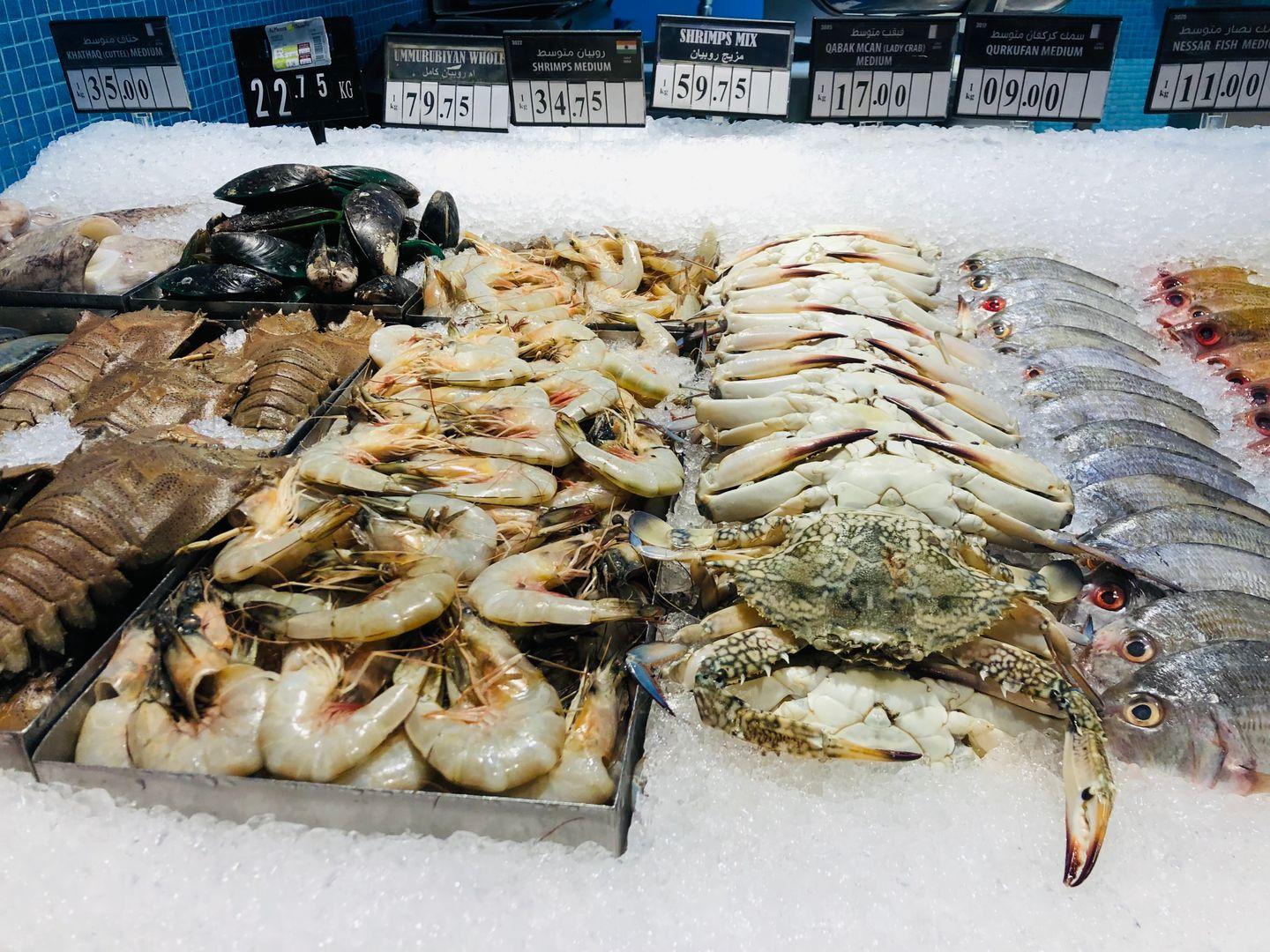
Shrimp and prawns may be eaten by some aquatic turtles, but dried shrimp products are not complete diets. They can lack nutrients required for long-term health and should not replace a…
Shrimp and prawns may be eaten by some aquatic turtles, but dried shrimp products are not complete diets. They can lack nutrients required for long-term health and should not replace a balanced species-appropriate feed. Avoid salted, spiced, cooked human preparations and products with additives. Use clean, appropriately sourced food and remove leftovers promptly to protect water quality. Shrimp is not a routine protein source for herbivorous tortoises.
References
MSD Veterinary Manual, “Nutrition in Turtles” (reviewed September 2025; last updated July 2026); MSD Veterinary Manual, “Nutrition in Reptiles” (reviewed September 2025; last updated October 2025); MSD Veterinary Manual, “Management and Husbandry of Reptiles”.
Evidence note: General veterinary references do not establish an ingredient-specific safe quantity for every chelonian species. Feeding recommendations must be checked against the exact species, life stage and health status.
UVB supports vitamin D3 synthesis in many diurnal chelonians and helps maintain calcium metabolism. Ordinary window glass blocks most useful UVB, so sunlight through a window is not an…
Calcium and phosphorus interact in bone and shell metabolism. The correct dietary concentrations and balance depend on species and the whole ration; one calcium-to-phosphorus ratio should…
Vitamin D3 supports calcium absorption and bone health, but both deficiency and excess can be harmful. Requirements depend on species, diet, UVB exposure and life stage. Do not routinely…