Papaya is a fruit, not a routine staple for grazing tortoises. Frequent fruit can displace fibrous forage and add excess readily fermentable carbohydrate. Some tropical or omnivorous…
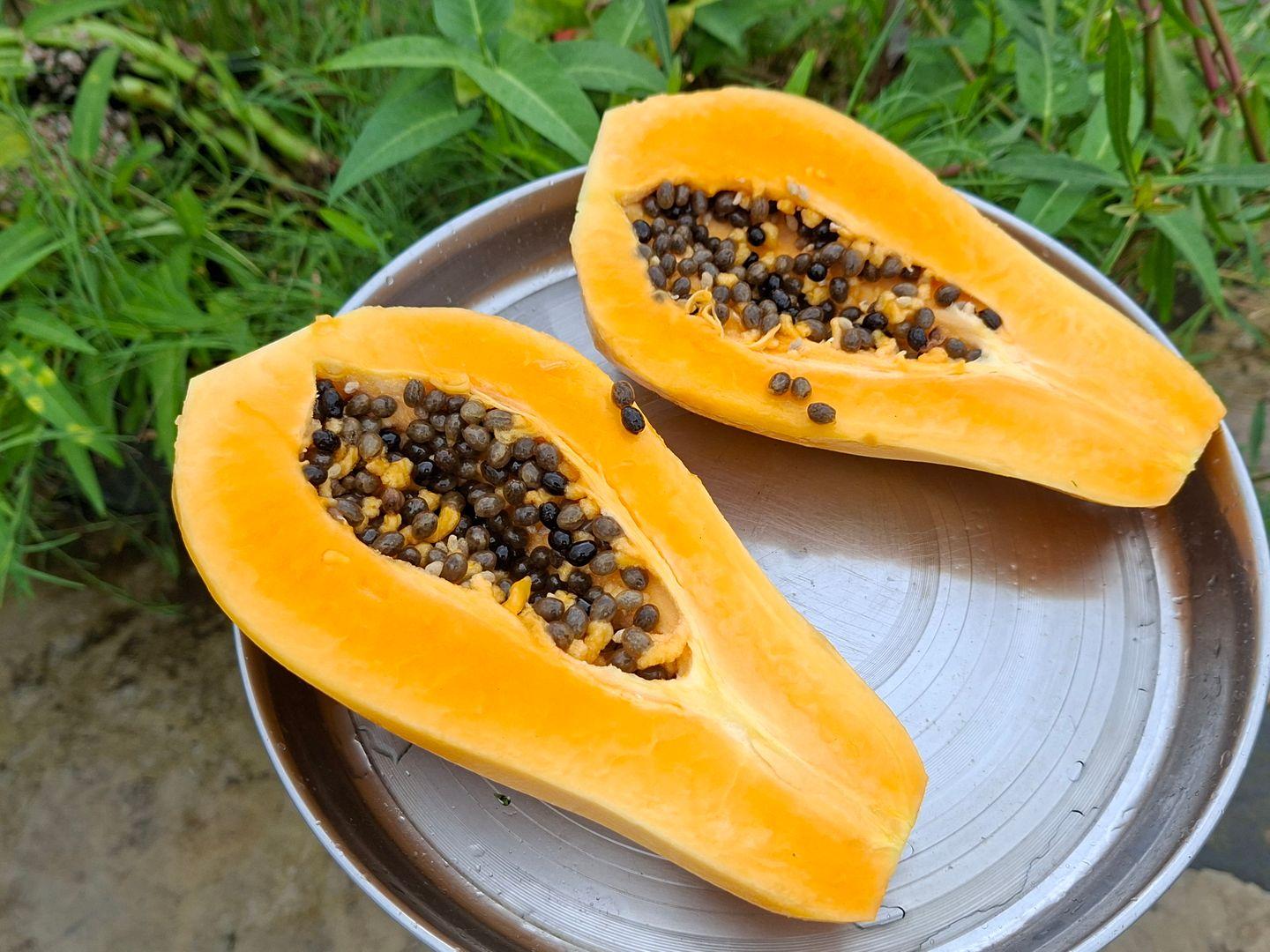
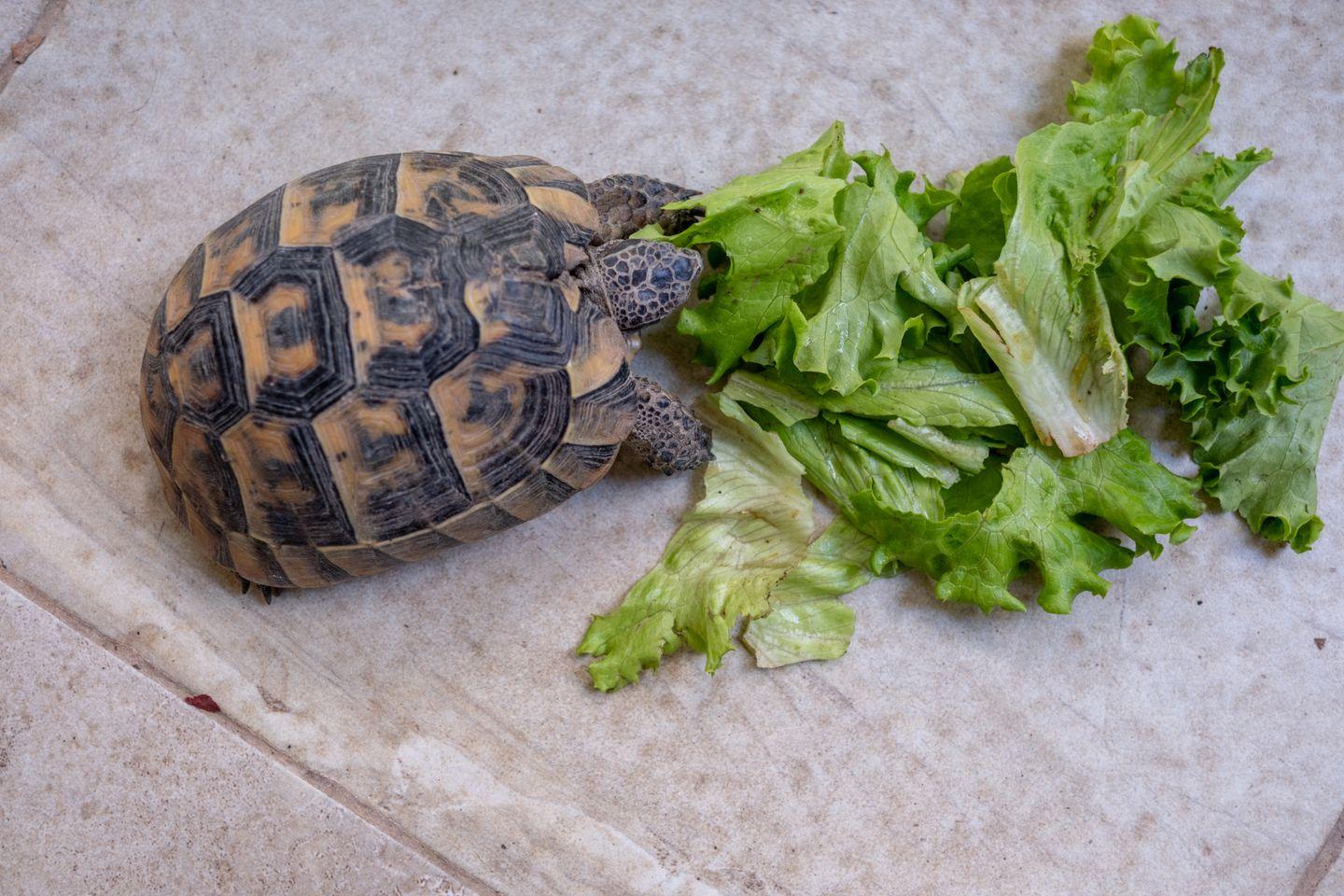
Papaya is a fruit, not a routine staple for grazing tortoises. Frequent fruit can displace fibrous forage and add excess readily fermentable carbohydrate. Some tropical or omnivorous chelonians may receive small amounts within a species-specific plan. Offer clean, ripe flesh in a small portion and remove leftovers promptly. Do not assume that food suitable for an omnivorous aquatic turtle is suitable for a Mediterranean grazing tortoise.
References
MSD Veterinary Manual, “Nutrition in Tortoises” (reviewed September 2025; last updated July 2026); MSD Veterinary Manual, “Nutrition in Reptiles” (reviewed September 2025; last updated October 2025).
Evidence note: General veterinary references do not establish an ingredient-specific safe quantity for every chelonian species. Feeding recommendations must be checked against the exact species, life stage and health status.
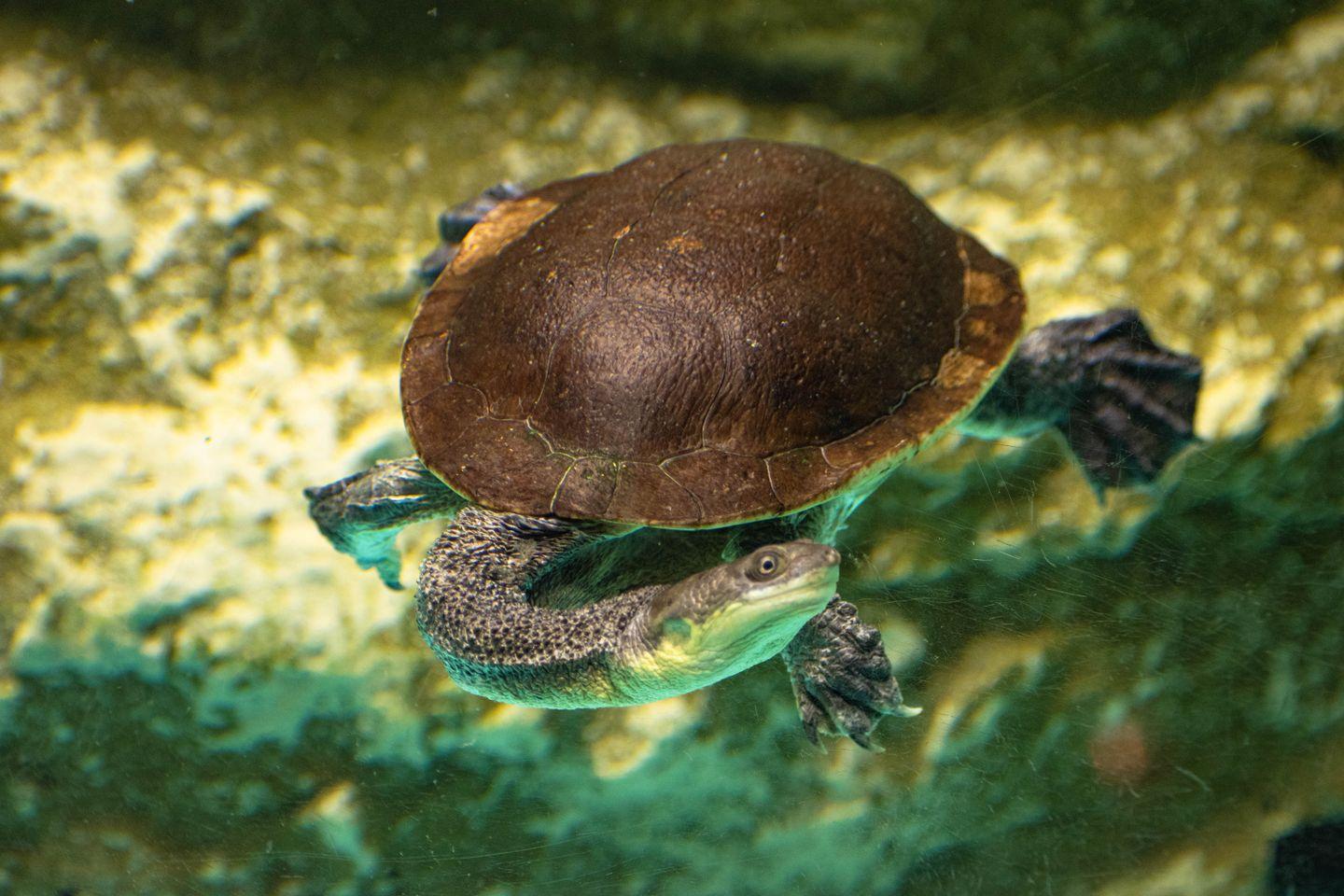
Vitamin A is important for epithelial tissues, vision and immune function. Aquatic turtles fed nutritionally inadequate diets can develop hypovitaminosis A, but swollen eyelids or eye…
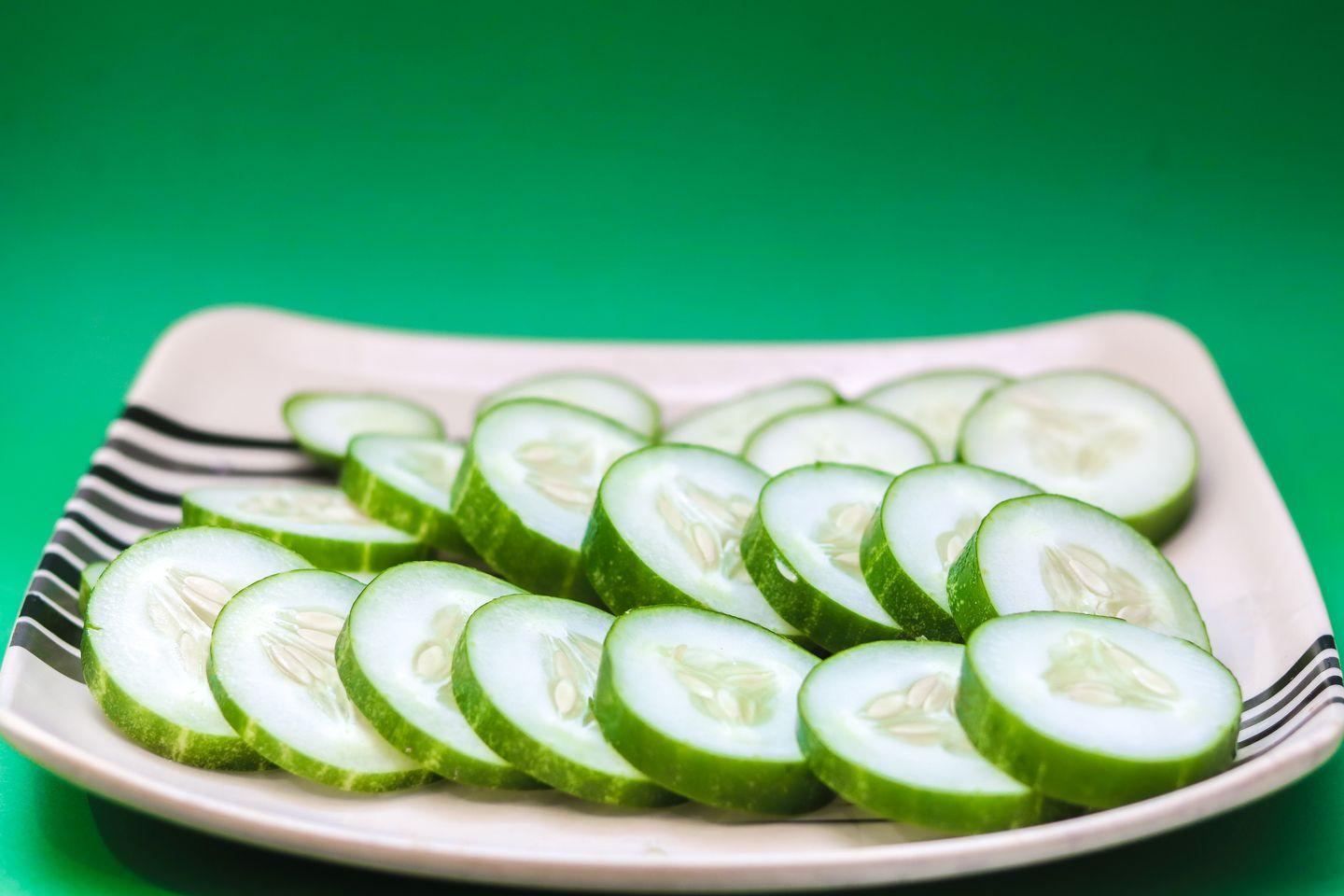
Cucumber is high in water and low in fibre and should not become a staple for herbivorous tortoises. A diet dominated by watery vegetables can displace more suitable forage. If appropriate…
Bloodworms are midge larvae sold live, frozen or freeze-dried. Some aquatic turtles may accept them, but they are a treat or one food component, not a complete diet. Buy from a reputable…