Timothy hay is a grass hay, but it is not a universal staple for all tortoises. Some large grazing species, including sulcata tortoises, can consume grass hay as part of a high-fibre diet.…
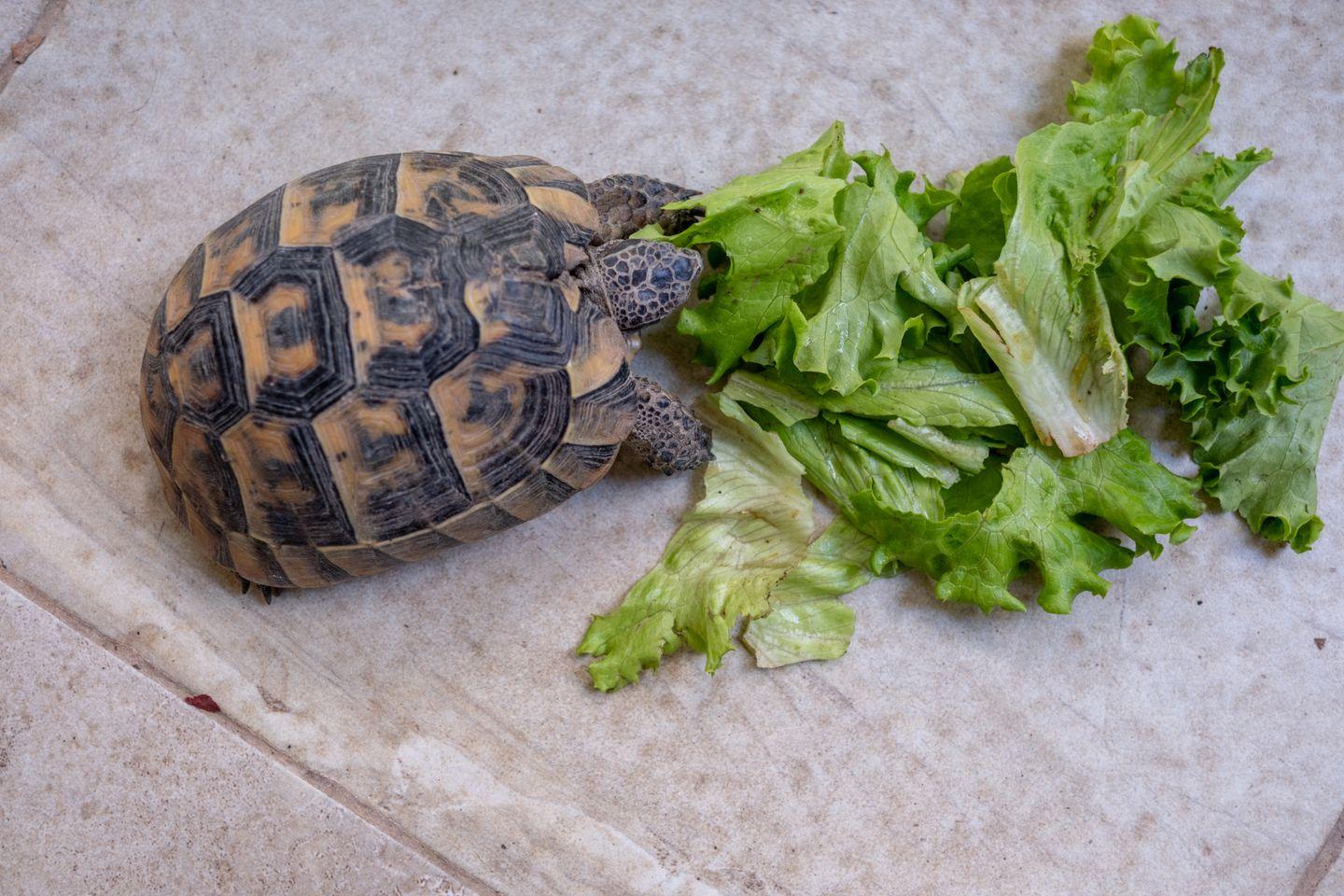
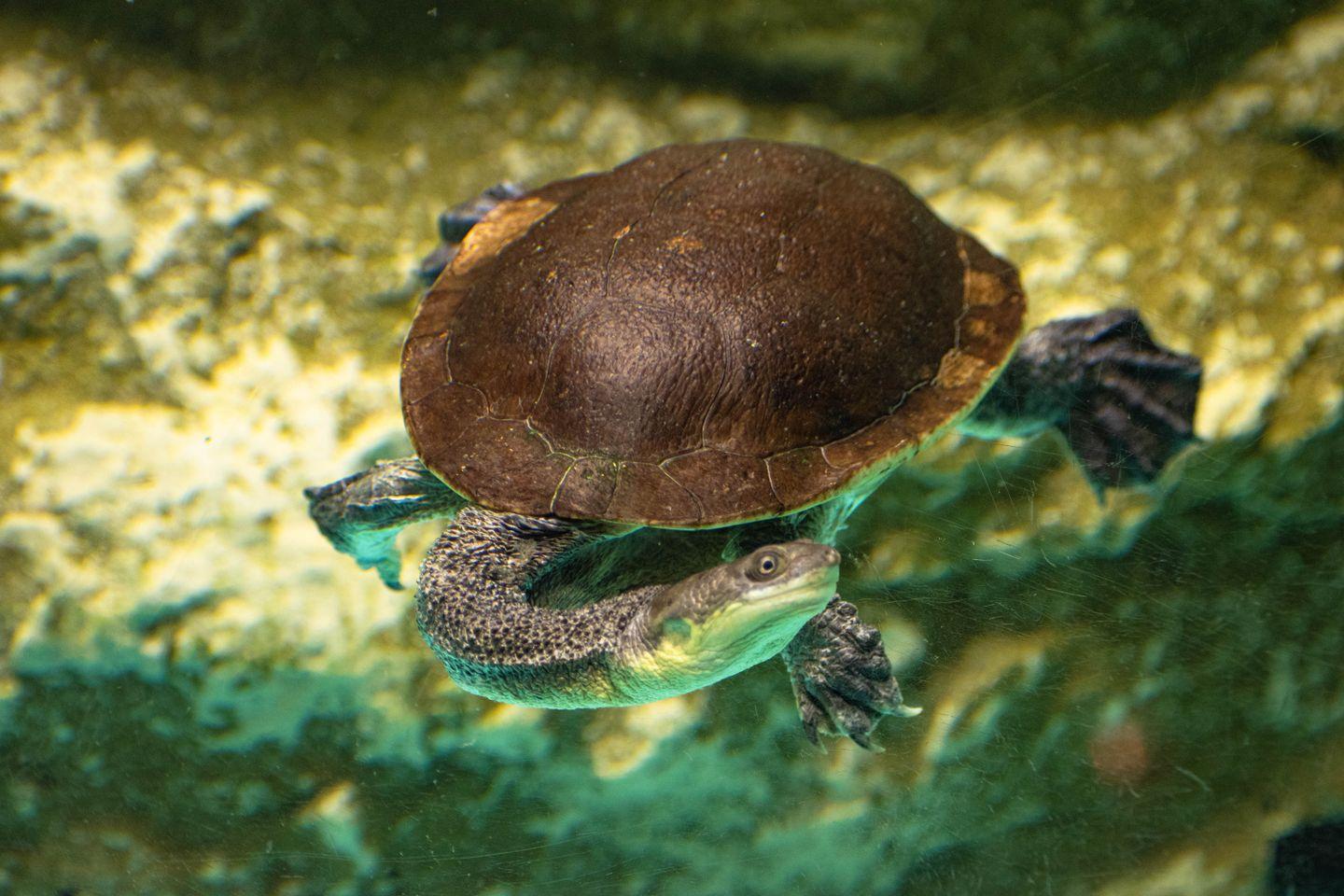
Timothy hay is a grass hay, but it is not a universal staple for all tortoises. Some large grazing species, including sulcata tortoises, can consume grass hay as part of a high-fibre diet. Many smaller Mediterranean tortoises are better managed with a varied selection of suitable weeds, leaves and flowers, while tropical forest species need a different balance. Offer only clean, dry, dust-minimised hay free of mould and chemical contamination. Cut or present it in a form the animal can eat safely. It is not an appropriate food for aquatic turtles.
References
MSD Veterinary Manual, “Nutrition in Tortoises” (reviewed September 2025; last updated July 2026); MSD Veterinary Manual, “Nutrition in Reptiles” (reviewed September 2025; last updated October 2025).
Evidence note: General veterinary references do not establish an ingredient-specific safe quantity for every chelonian species. Feeding recommendations must be checked against the exact species, life stage and health status.
Vitamin A is important for epithelial tissues, vision and immune function. Aquatic turtles fed nutritionally inadequate diets can develop hypovitaminosis A, but swollen eyelids or eye…
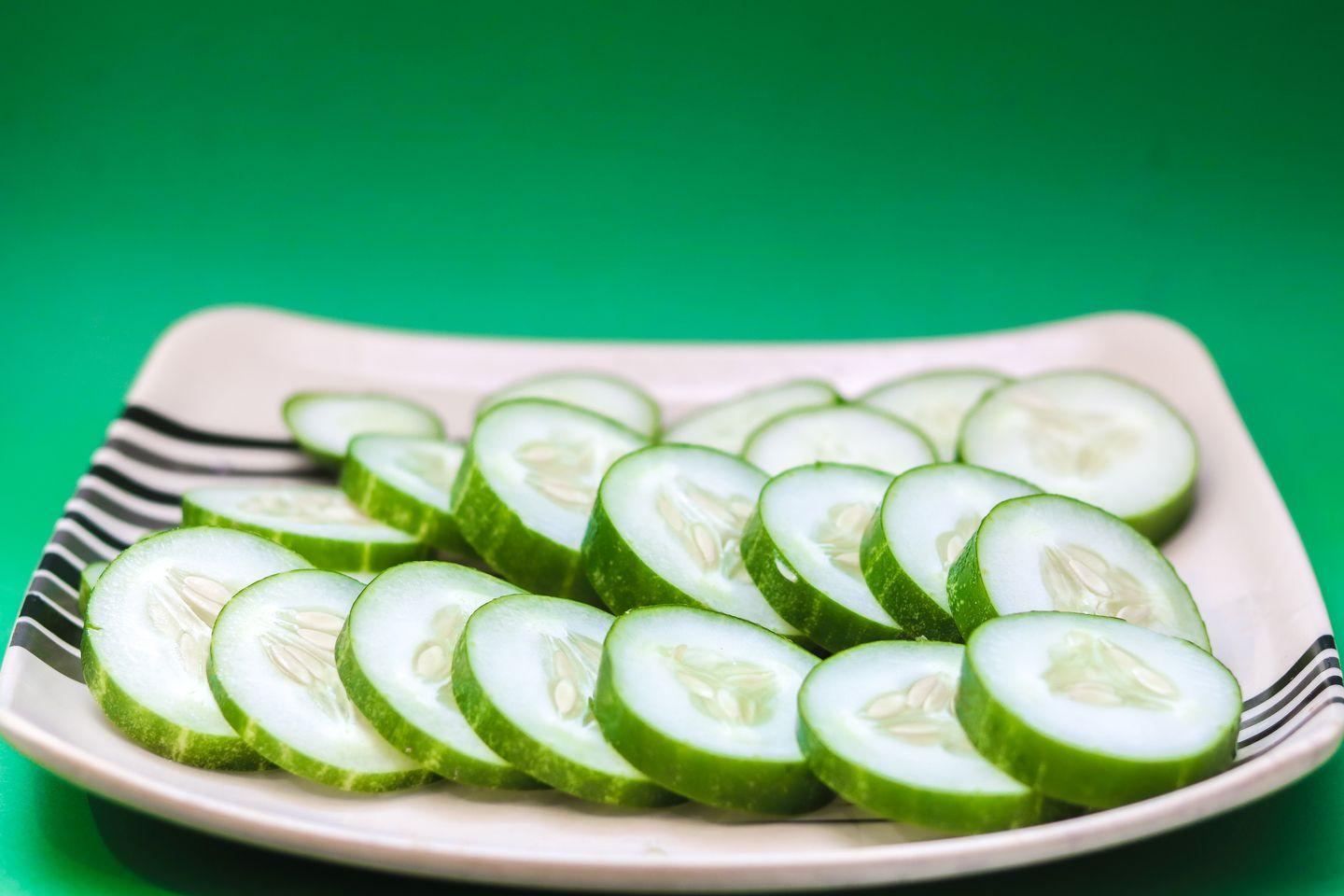
Cucumber is high in water and low in fibre and should not become a staple for herbivorous tortoises. A diet dominated by watery vegetables can displace more suitable forage. If appropriate…
Bloodworms are midge larvae sold live, frozen or freeze-dried. Some aquatic turtles may accept them, but they are a treat or one food component, not a complete diet. Buy from a reputable…