India's Street Dogs: A Society's Responsibility, Not Just a Municipal Problem
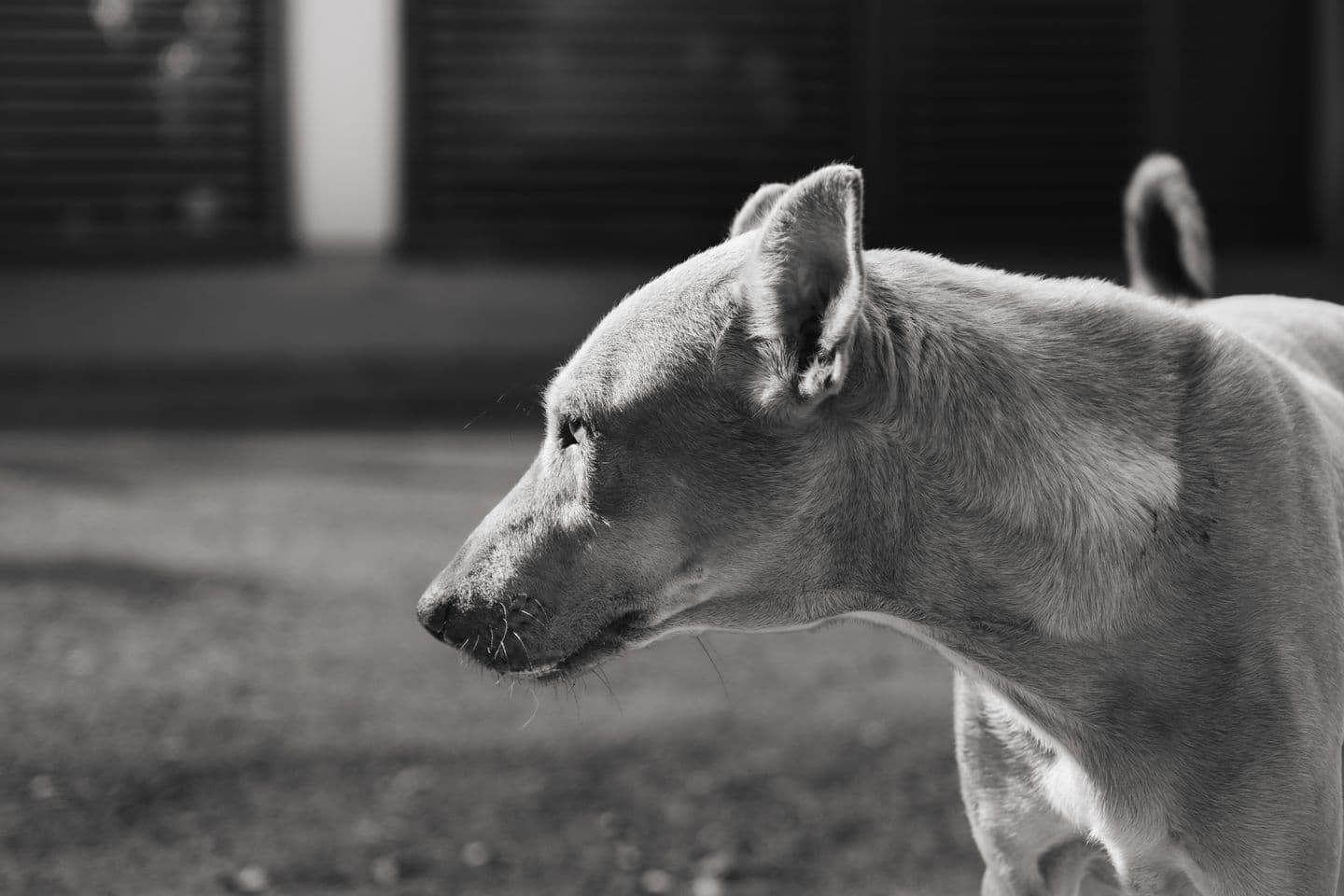
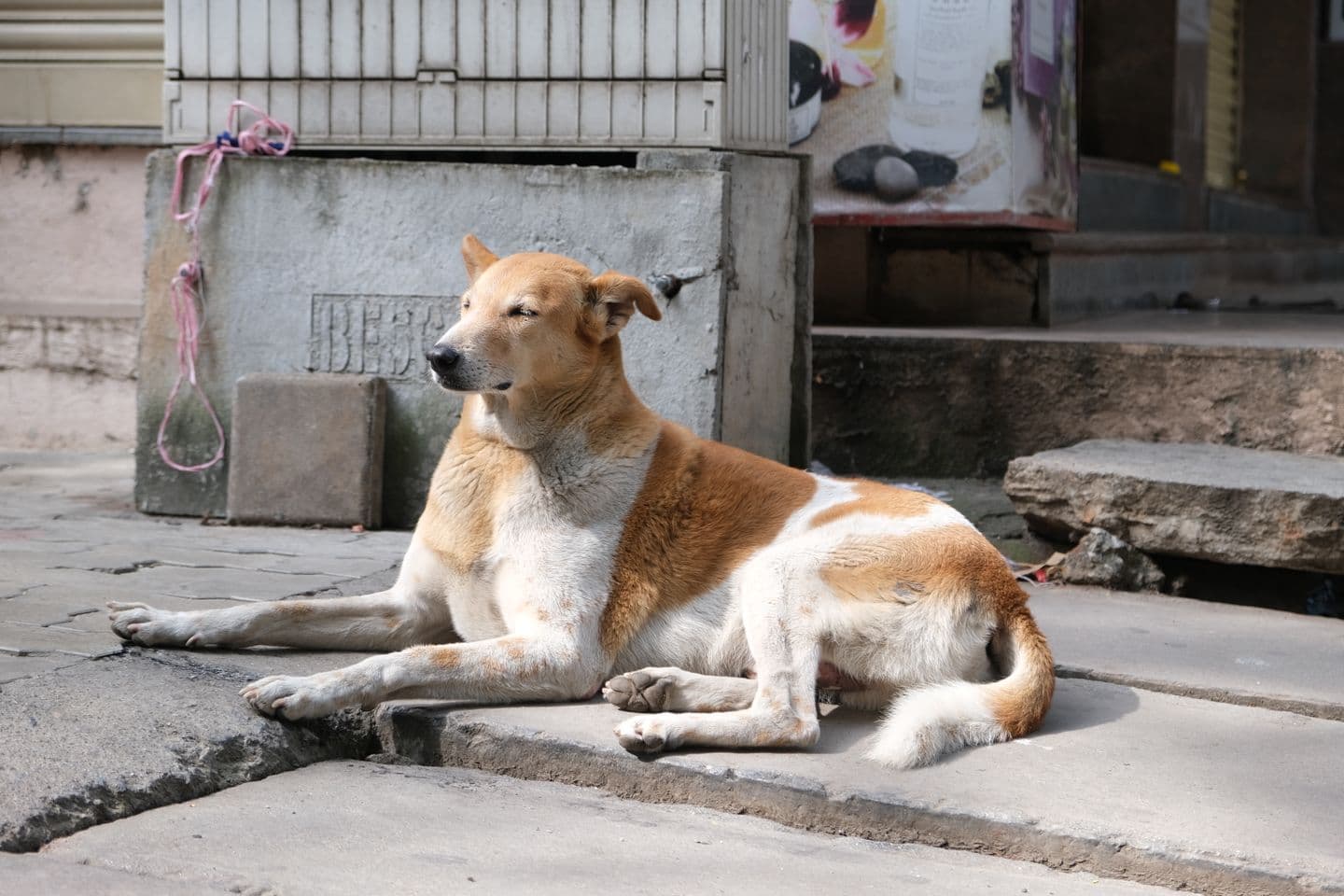
Street dogs are among the most visible yet misunderstood animals in Indian cities. They live outside our homes, sleep near shops, guard neighbourhoods and survive on the margins of human settlements.
Street dogs are among the most visible yet misunderstood animals in Indian cities. They live outside our homes, sleep near shops, guard neighbourhoods and survive on the margins of human settlements. While some communities care for them, others see them as a nuisance or a threat. The resulting conflict is often treated as a municipal problem. But the welfare of street dogs and the safety of people are shared social responsibilities.
India's street dog population is closely connected to human behaviour. Open garbage dumps, discarded food, poorly managed waste and abandoned pets contribute to the conditions in which community dog populations survive and reproduce.
The responsibility of local authorities
The Animal Birth Control Rules, 2023, provide the statutory framework for sterilisation and anti-rabies vaccination of street dogs. Local bodies are responsible for implementing these programmes through qualified veterinary personnel and authorised facilities.
Sterilisation helps control population growth over time, while vaccination is essential to reducing rabies transmission. These programmes must be continuous, adequately funded and supported by proper post-operative care.
The legal position has also evolved through Supreme Court proceedings. The Court's directions in November 2025 and its subsequent judgment of 19 May 2026 address the management of dogs in public and institutional spaces. In particular, dogs found within specified institutional premises, including schools, hospitals, sports complexes and transport facilities, are subject to removal and relocation arrangements rather than automatic release at the same location. These directions must be read alongside the Animal Birth Control Rules.
The role of citizens and communities
Residents also have responsibilities. Community dog feeding should be organised hygienically and in accordance with applicable municipal and judicial directions. Feeding should not obstruct pedestrian movement or create sanitation problems.
People should never resort to poisoning, beating, abandoning or illegally relocating dogs. Such actions cause suffering and can create further problems.
Pet owners have an equally important responsibility. Abandoning an animal contributes to the street animal population. Responsible ownership includes vaccination, sterilisation where appropriate, identification and lifelong care.
Safety and compassion can coexist
Fear of dog bites and rabies is legitimate and should never be dismissed. Children must be taught not to disturb sleeping, eating or injured dogs. People should avoid approaching unfamiliar animals, particularly those showing signs of distress or aggression.
Any dog bite or scratch that breaks the skin requires prompt medical assessment. Wound washing and timely post-exposure rabies treatment are critical. Treatment should never be delayed while waiting to identify or observe the dog.
A collective responsibility
Street dogs did not create the urban conditions in which they live. Human settlements, food waste, abandonment and inadequate public infrastructure have shaped their existence.
A humane city must protect people while managing animals responsibly. Municipal authorities must implement effective programmes, residents must behave responsibly, feeders must follow applicable rules and animal welfare organisations must contribute veterinary and field expertise.
The real measure of a civilised society is whether it can manage coexistence with fairness, scientific thinking and compassion.
Supreme Court of India. In Re: City Hounded by Strays, Kids Pay Price, judgment dated 19 May 2026, 2026 INSC 506. https://indiankanoon.org/doc/66428226/
A hospital is a place where people wait. Families wait for news, doctors wait for test results, and patients wait for someone to tell them that everything will be all right.
The pet industry often presents itself through attractive puppies, colourful birds, exotic animals and beautifully designed pet shops. For prospective buyers, purchasing an animal can appear straightf