A hospital is a place where people wait. Families wait for news, doctors wait for test results, and patients wait for someone to tell them that everything will be all right.
A hospital is a place where people wait. Families wait for news, doctors wait for test results, and patients wait for someone to tell them that everything will be all right.
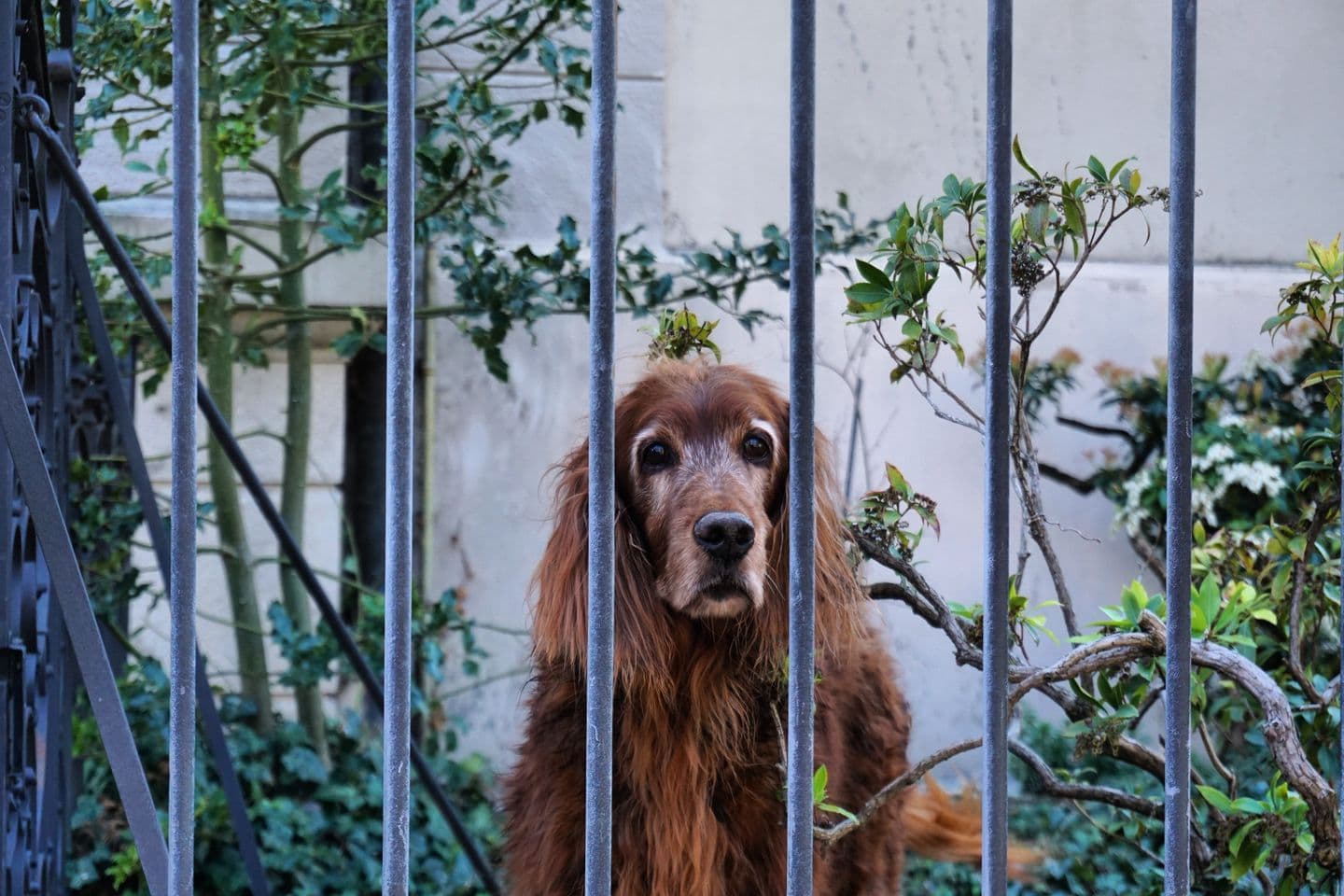
But sometimes, the one waiting outside is not a human being.
In 2018, a story from Brazil attracted international attention. A homeless man's dog reportedly chased the ambulance carrying its owner after the man was fatally stabbed and taken to a hospital in São Paulo. The dog then remained near the hospital entrance. Staff provided food and water. According to the report, a rescue organisation took the dog away, but it escaped and walked more than three kilometres back to the hospital. The story touched people because it revealed something familiar yet extraordinary: the strength of an animal's attachment to a person.
The story touched people because it revealed something familiar yet extraordinary: the strength of an animal's attachment to a person.
Understanding a dog's loyalty
We often describe dogs as loyal. The word appears in countless stories, films and books. Yet loyalty is more than an appealing characteristic.
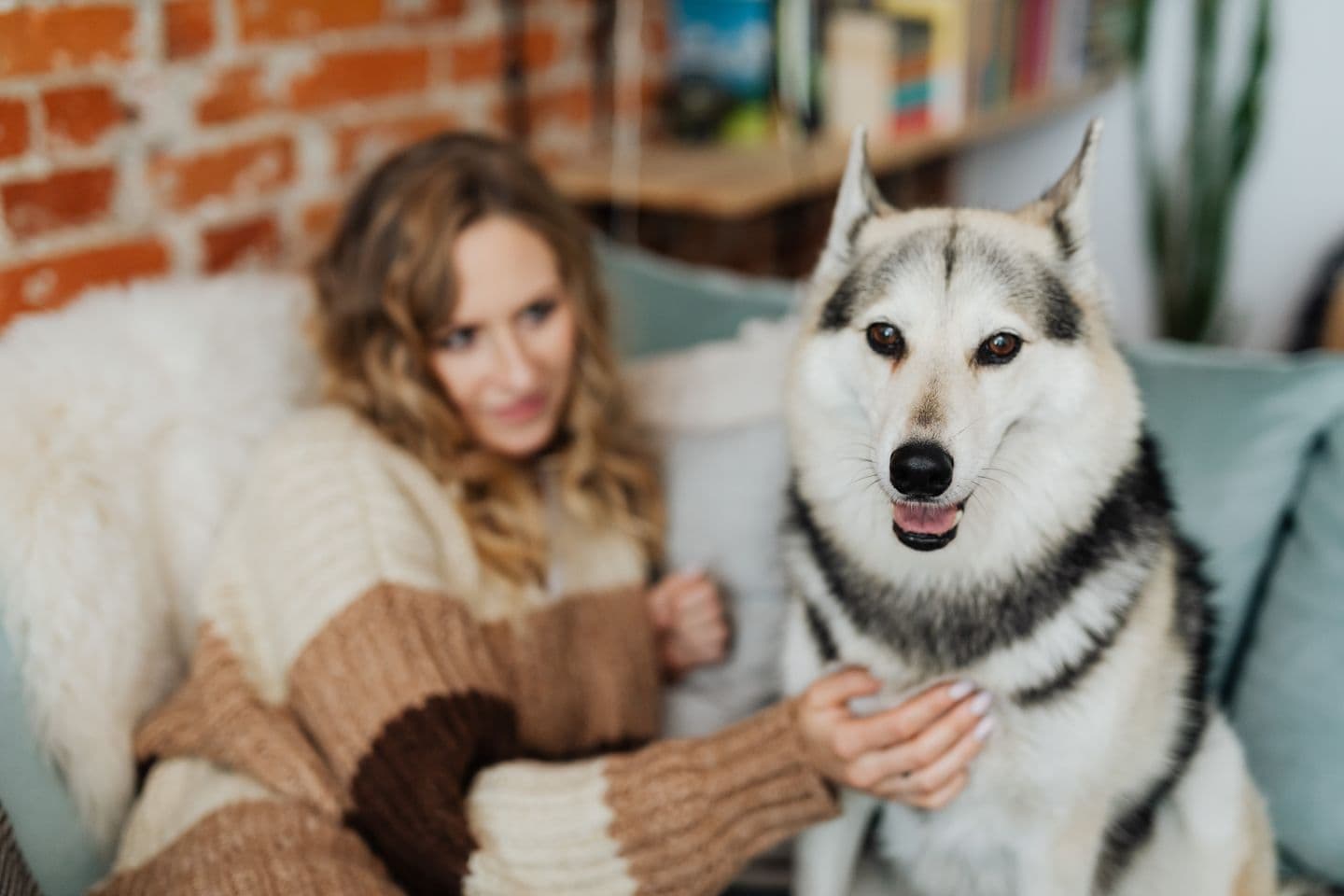
Dogs are social animals capable of forming strong attachments to familiar people. Their relationships are shaped by everyday experiences of safety, companionship, routine and care.
For a dog, its human may represent much of its known world. That person provides:
Food and physical security.
Familiar smells and surroundings.
Reassurance and companionship.
Predictable routines.
Opportunities for play and exploration.
When that person suddenly disappears, the animal may respond with searching behaviour, restlessness or waiting in familiar places.
We should be careful not to assume that every action has precisely the same meaning we would assign to it as humans. We cannot know exactly what a particular dog is thinking. But the strength of its attachment can be evident in its behaviour.
When an animal loses its human
Stories like the one from Brazil also raise an important question. What happens to animals when the humans they depend on are no longer there?
A pet may become homeless after its owner dies. An animal may be abandoned when a family relocates or left behind when someone enters hospital.
In many cases, the animal has no understanding of why its familiar world has suddenly disappeared.
The consequences can include:
Loss of a familiar caregiver.
Disruption of feeding and sleeping routines.
Anxiety and behavioural changes.
Difficulty finding food and shelter.
Exposure to injury, illness and environmental dangers.
Loyalty deserves responsibility in return
This is where human responsibility must extend beyond the immediate household.
Hospitals, communities, rescue organisations and local authorities can help develop systems for animals whose caregivers are temporarily or permanently unable to look after them.
Families should also make arrangements for pets in the event of illness, hospitalisation or death. Identifying a trusted caregiver can prevent an animal from being left without protection.
The Brazilian dog's story is moving because it reminds us that the emotional lives of animals deserve recognition. But it should also encourage action rather than simply admiration.
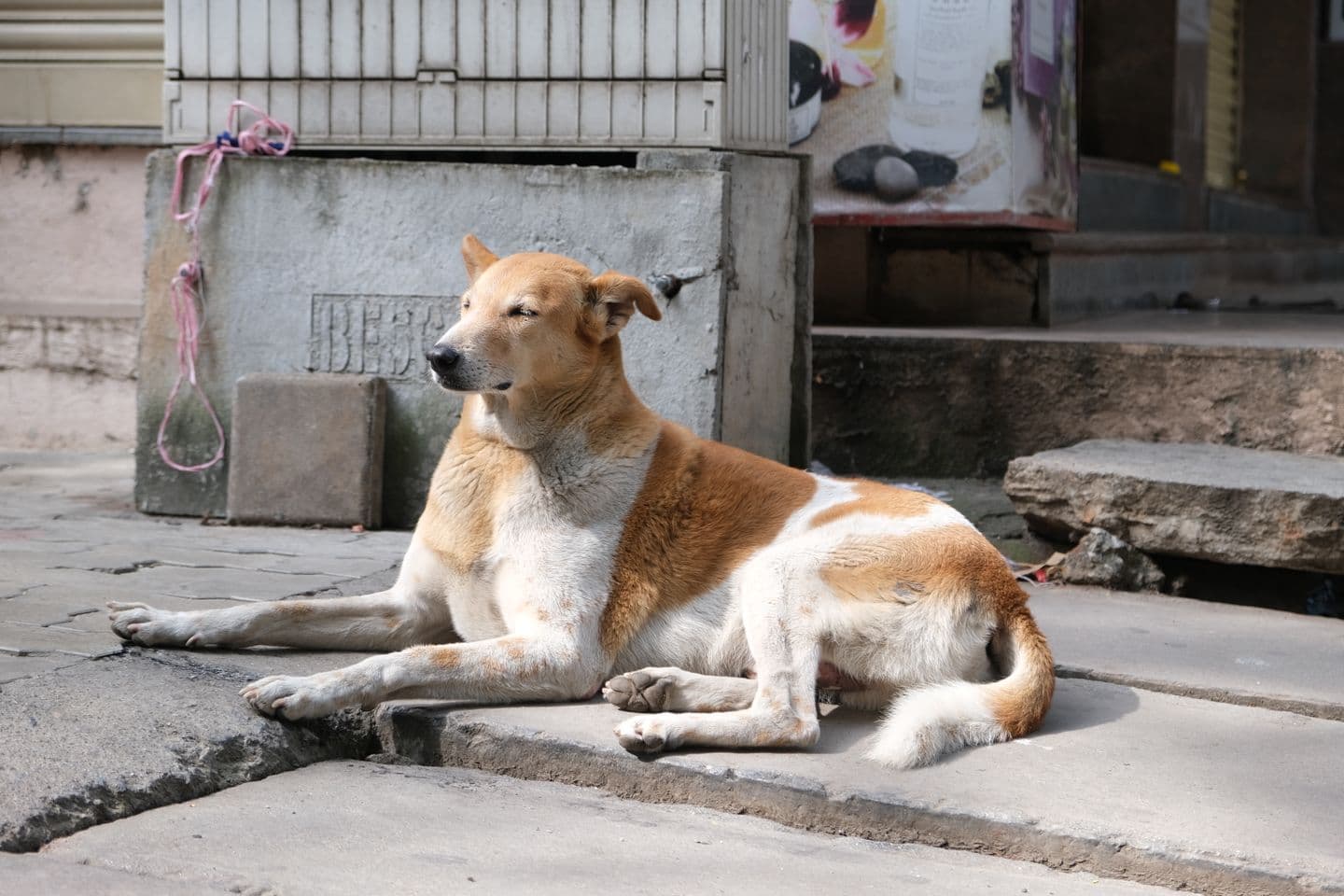
A dog waiting outside a hospital may look like a symbol of extraordinary loyalty. It is also an animal in need of care, food, shelter and a safe future.
Perhaps the greatest tribute to such loyalty is not to tell its story repeatedly, but to ensure that no animal is left waiting indefinitely for someone who will never return.
Street dogs are among the most visible yet misunderstood animals in Indian cities. They live outside our homes, sleep near shops, guard neighbourhoods and survive on the margins of human settlements.
The pet industry often presents itself through attractive puppies, colourful birds, exotic animals and beautifully designed pet shops. For prospective buyers, purchasing an animal can appear straightf