Anyone who has watched a turtle sit motionless for what feels like hours has probably wondered whether it is asleep, unwell, or simply unbothered by the world. Turtles do sleep, just not in a way that
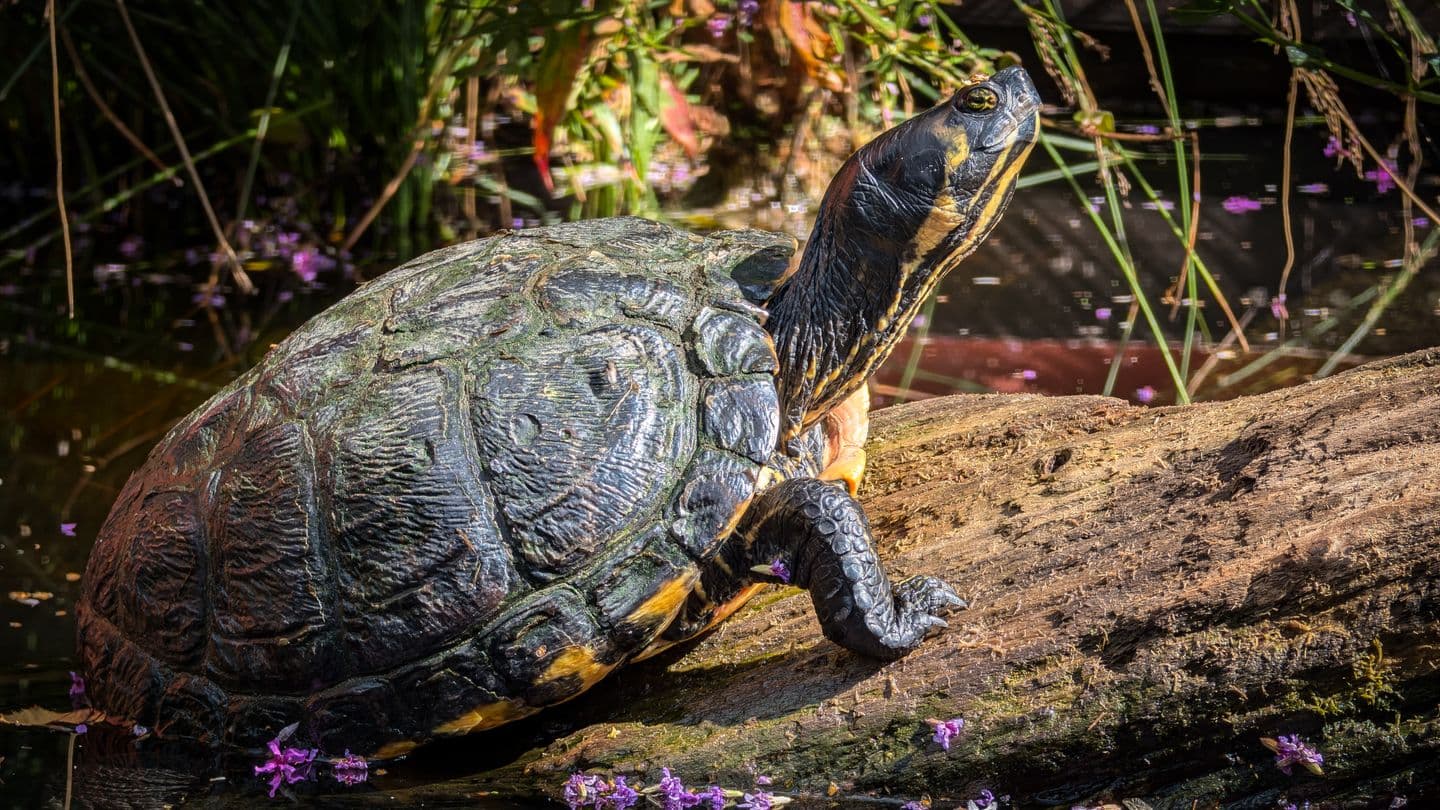
Anyone who has watched a turtle sit motionless for what feels like hours has probably wondered whether it is asleep, unwell, or simply unbothered by the world. Turtles do sleep, just not in a way that always looks familiar to us.
Do turtles really sleep
Yes. Like most reptiles, turtles have rest cycles where their activity, heart rate, and responsiveness drop. It does not look like human sleep because turtles do not close their eyes and lie still in the same way, and much of it depends on temperature and light rather than a strict internal clock.
Where aquatic turtles sleep
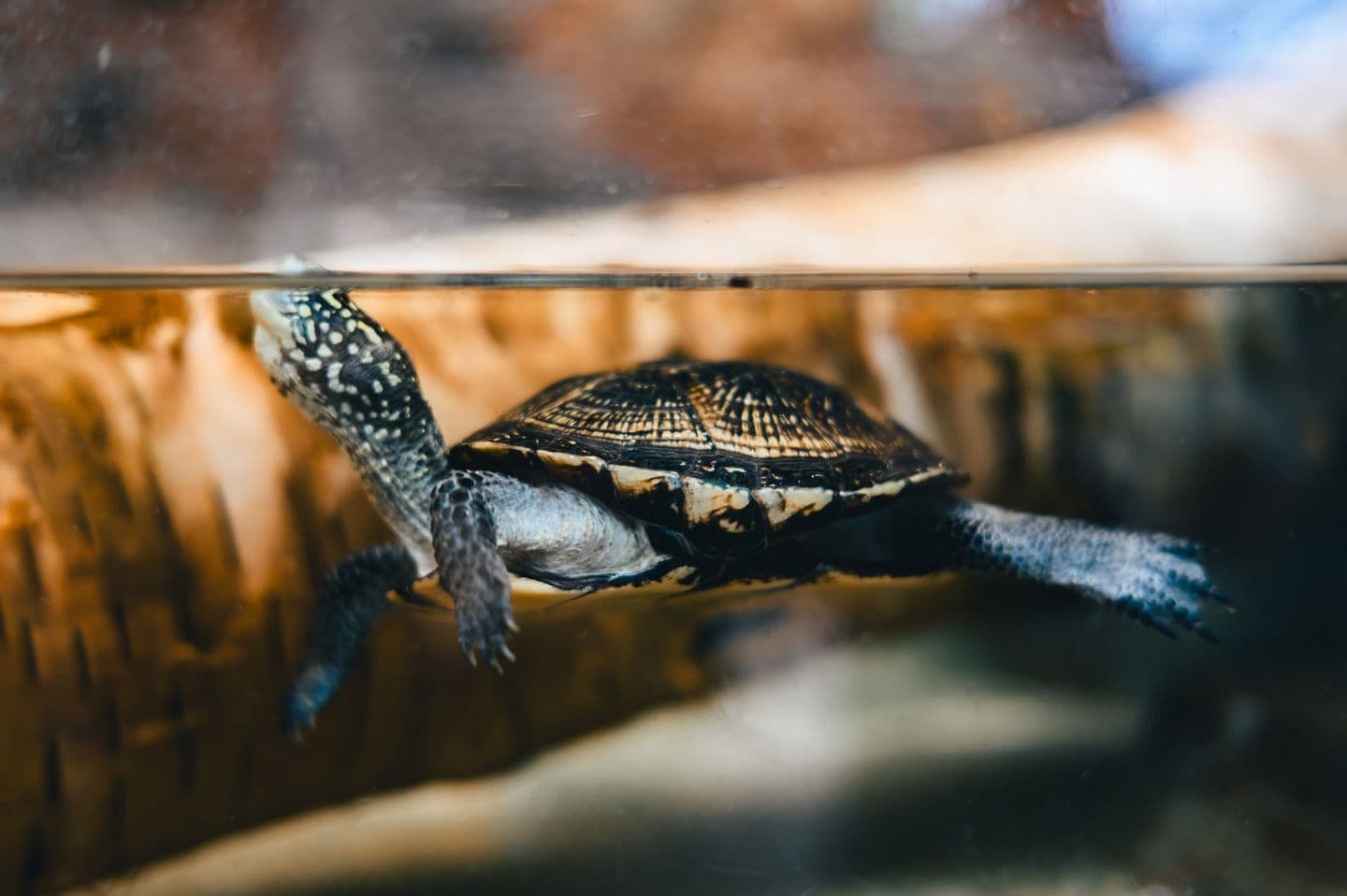
Aquatic species such as sliders typically rest underwater, wedged under driftwood, tucked into a corner of the tank, or settled on the substrate. They surface periodically to breathe, and healthy turtles do this smoothly even while resting. Some also nap while basking during the day, which is completely normal.
Where tortoises and land turtles sleep
Tortoises and other land dwelling species sleep on solid ground, often burrowed into soil, tucked under a hide, or pressed into a corner of the enclosure. Larger tortoises may simply stop wherever they happen to be and settle in for the night.
Setting a healthy day and night rhythm
Turtles kept indoors do best with a consistent light cycle, roughly twelve hours of light and twelve of darkness, controlled with a simple timer. This mimics natural day length and helps the turtle settle into a predictable rest pattern rather than staying restless under lights left on around the clock.
Brumation: winter slowdown, and why it rarely applies in India
In cooler climates, turtles and tortoises may enter brumation, a hibernation like state where activity and feeding drop sharply for weeks or months. Across most of India, indoor turtles kept warm through winter do not need to brumate at all. Owners in the cooler north, or those keeping tortoises outdoors through a chilly winter, should watch for reduced activity and consult a reptile vet before assuming it is brumation rather than illness.
Signs of healthy rest versus a sick turtle
A resting turtle should still respond when approached, breathe normally, and return to normal activity once warmed and fed. Cause for concern includes floating unevenly, gasping at the surface, eyes that stay swollen or shut through the day, or a turtle that refuses food for an extended stretch without an obvious brumation trigger. Any of these warrant a visit to a vet experienced with reptiles.
Bringing home a turtle is not like bringing home a goldfish. A well cared for turtle can easily outlast a school career, a job, and sometimes a marriage. Before you buy that little hatchling from a pe
India's climate, warm for much of the year across most regions, makes an outdoor pond a genuinely appealing option for keepers of aquatic turtles. Done well, it offers more space, natural sunlight, an
Turtles look harmless enough to hand to a child, which is exactly why salmonella linked to pet turtles remains a genuine health concern worldwide, including in India. The good news is that the risk is