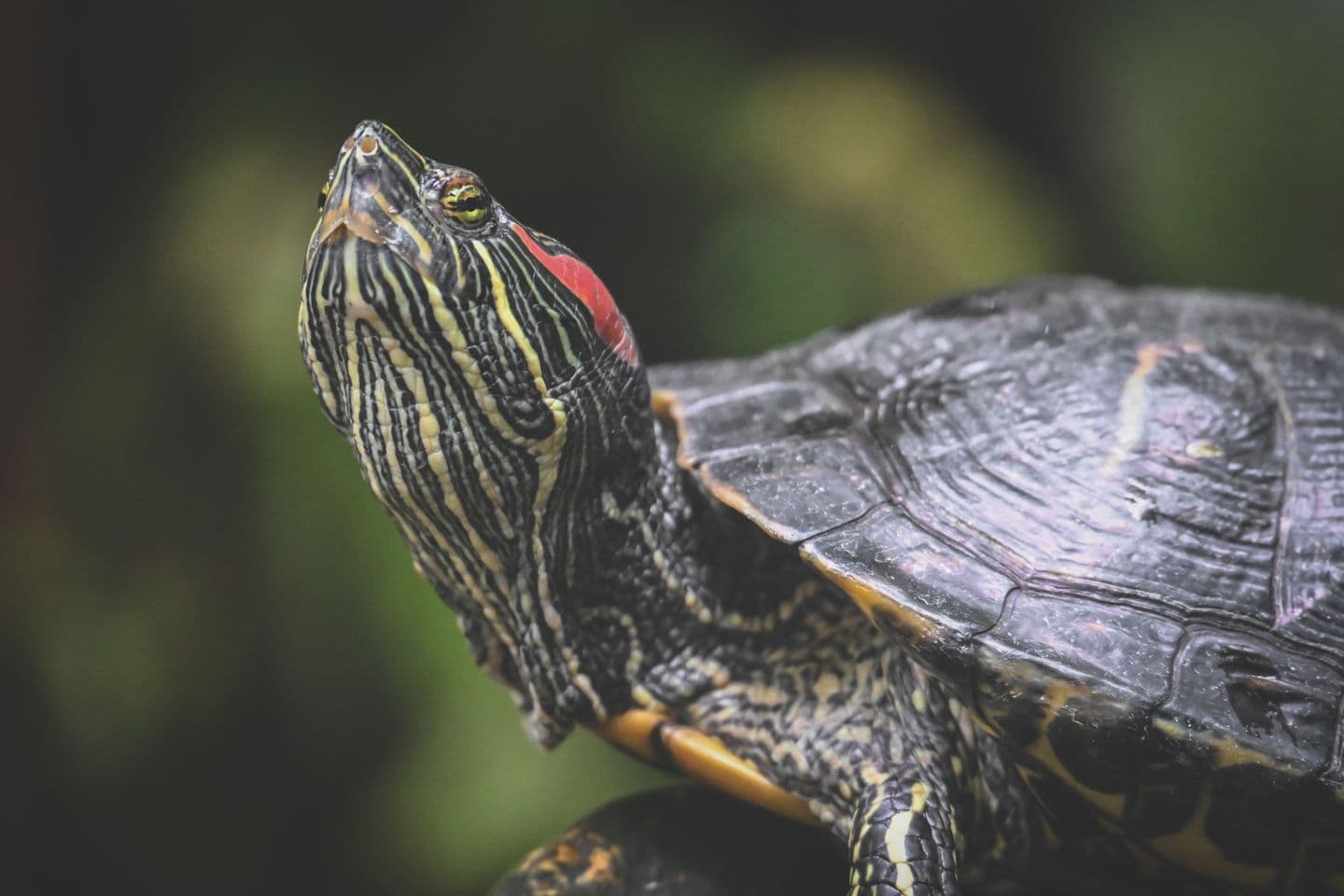
The red eared slider, easily recognised by the bright red streak behind each eye, is probably the single most recognisable pet turtle in the world. In India, however, this popularity comes with real l
The red eared slider, easily recognised by the bright red streak behind each eye, is probably the single most recognisable pet turtle in the world. In India, however, this popularity comes with real legal and ecological complications that any prospective owner needs to understand before buying one.
A necessary word on legality
The red eared slider is not native to India, so it falls outside the strict protections that cover native wildlife under the Wildlife Protection Act, 1972. That does not mean it is unregulated. Under the Living Animal Species (Reporting and Registration) Rules, 2024, the red eared slider is cited as an example of an exotic species whose owners are expected to report and register their animal with the authorities. Enforcement varies from state to state, and the turtle continues to be sold widely in pet markets, so buyers should ask sellers for clear paperwork and understand their registration obligations rather than assuming ownership is entirely unregulated. The species is also considered one of the world's most invasive, having established itself in lakes and water bodies across Indian cities, where it competes with and displaces native turtles. Never release a red eared slider into the wild under any circumstances.
Appearance and size
Hatchlings are a vivid green and barely the size of a coin, which is part of why they sell so easily, but this is deceptive. Adults typically reach 20 to 30 centimetres in shell length, with females generally growing larger than males, and their green colouring darkens with age.
Housing
A single adult slider needs a substantial aquarium, generally at least 250 litres, with both deep swimming water and a dry basking platform. A strong filter is essential, since sliders are messy eaters and produce a good deal of waste.
Heating and lighting
Water temperature should sit around 24 to 28 degrees Celsius, with a basking spot heated to roughly 32 to 35 degrees Celsius. A dedicated reptile UVB tube run for ten to twelve hours daily is essential for healthy shell and bone development.
Diet
Sliders are omnivorous and become increasingly herbivorous as they mature. A varied diet works best.
Good quality commercial turtle pellets as a base
Leafy greens such as pak choi, coriander, and duckweed
Occasional protein such as earthworms or small pieces of fish, offered less frequently as the turtle matures
Temperament and handling
Sliders are alert, active, and reasonably food motivated, which makes them entertaining to watch, though they are not animals that enjoy being picked up or held. Most owners find the greatest satisfaction simply observing them swim, bask, and feed.
Lifespan and commitment
A well cared for slider can live 20 to 40 years, occasionally longer, which makes it a multi decade commitment. Given the legal uncertainty and the strain this species places on Indian wetlands when released or escaped, anyone considering a slider should think carefully, buy only from a source that can show clear documentation, and have a firm long term plan in place.
Bringing home a turtle is not like bringing home a goldfish. A well cared for turtle can easily outlast a school career, a job, and sometimes a marriage. Before you buy that little hatchling from a pe
India's climate, warm for much of the year across most regions, makes an outdoor pond a genuinely appealing option for keepers of aquatic turtles. Done well, it offers more space, natural sunlight, an
Turtles look harmless enough to hand to a child, which is exactly why salmonella linked to pet turtles remains a genuine health concern worldwide, including in India. The good news is that the risk is