The red footed tortoise, named for the reddish or orange scales on its legs and head, is a tropical forest species that suits India's humid coastal and monsoon prone regions rather better than the des
The red footed tortoise, named for the reddish or orange scales on its legs and head, is a tropical forest species that suits India's humid coastal and monsoon prone regions rather better than the desert tortoises more commonly associated with the pet trade.
Origin and legal notes
Red footed tortoises are native to South America, found across grasslands and forest edges in countries such as Brazil, Colombia, and Venezuela. The species is listed under CITES Appendix II, so buyers in India should confirm proper import documentation before purchase and check current reporting and registration requirements for exotic reptiles with their local wildlife authorities.
Appearance and size
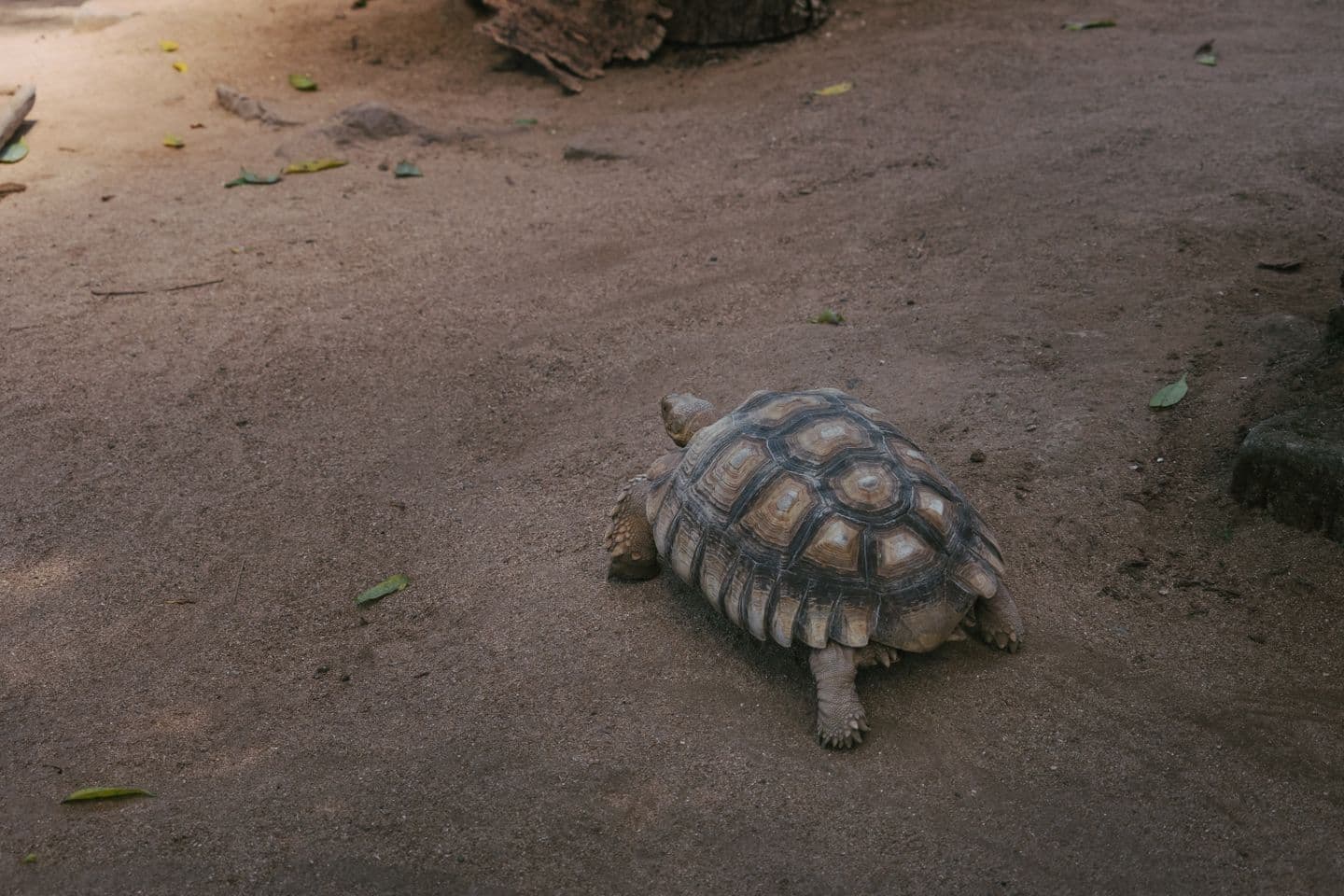
Adults typically grow to 25 to 35 centimetres in shell length, with a dark carapace marked by lighter yellow or orange centres on each scute, and the distinctive coloured scales on the limbs and head that give the species its name.
Housing
This species does best with access to both a sheltered outdoor enclosure and a humid indoor retreat. Deep substrate that holds moisture, such as a mix of coconut husk and forest floor material, supports burrowing and helps maintain humidity.
Heating and humidity
Red footed tortoises need warmth alongside notably high humidity, generally between 60 and 80 percent, which is where they differ most from desert species like the sulcata. A basking area of around 32 degrees Celsius should be available, and regular misting or a humid hide helps prevent shell problems in drier indoor conditions.
Diet
This is one of the more omnivorous tortoise species, with a diet that should reflect real variety.
Leafy greens and vegetables as the largest share of the diet
Fruit offered regularly, more generously than most other pet tortoise species tolerate
Occasional protein such as snails or a small amount of cooked egg
A calcium supplement dusted onto food several times a week
Temperament and handling
Red footed tortoises are generally calm and steady, tolerating handling reasonably well, and are often considered one of the more sociable tortoise species, sometimes doing well when housed with others of the same species.
Lifespan and commitment
A red footed tortoise typically lives 40 to 60 years, with some individuals living considerably longer under excellent care. Its humidity requirements make it a natural fit for keepers in Kerala, coastal Karnataka, the Northeast, and other humid parts of the country, provided they are prepared for a multi decade commitment.
Bringing home a turtle is not like bringing home a goldfish. A well cared for turtle can easily outlast a school career, a job, and sometimes a marriage. Before you buy that little hatchling from a pe
India's climate, warm for much of the year across most regions, makes an outdoor pond a genuinely appealing option for keepers of aquatic turtles. Done well, it offers more space, natural sunlight, an
Turtles look harmless enough to hand to a child, which is exactly why salmonella linked to pet turtles remains a genuine health concern worldwide, including in India. The good news is that the risk is