Setting Up an Aquatic Turtle Tank: Size, Filtration and Water Depth
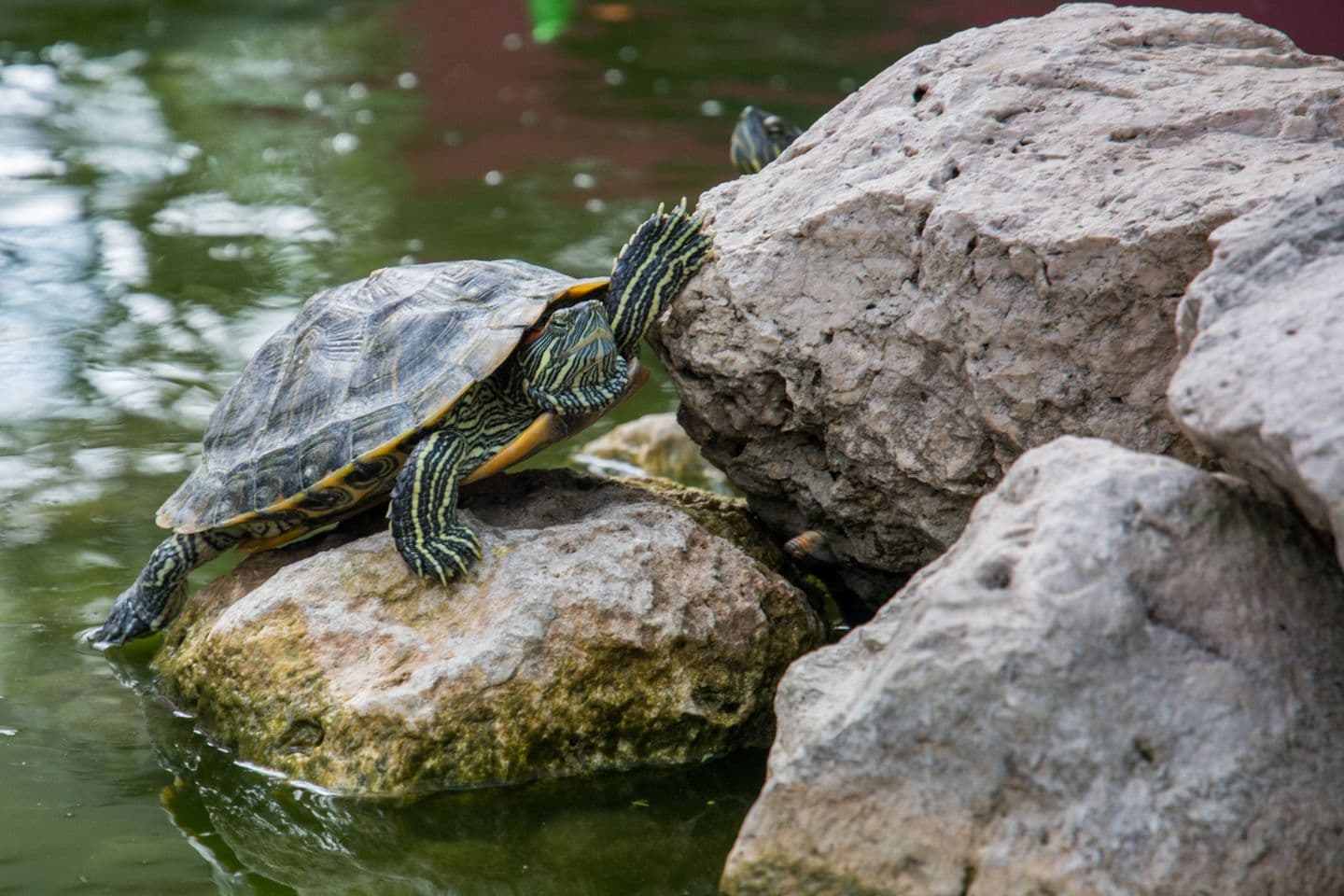
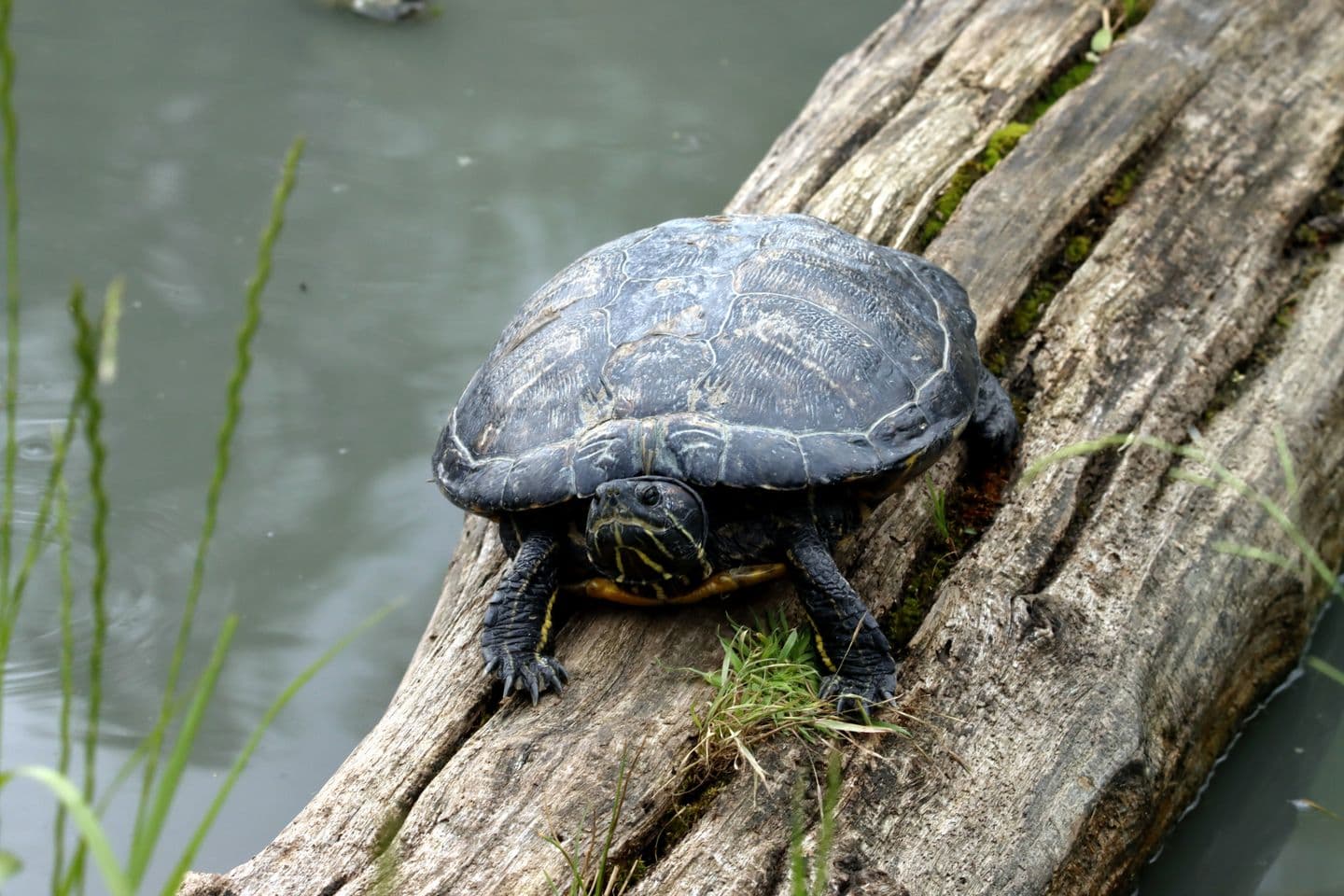
Keeping an aquatic turtle healthy begins with providing the right aquatic environment. Unlike fish, turtles need both water and dry land, where they can climb out, bask and completely dry their shells
Keeping an aquatic turtle healthy begins with providing the right aquatic environment. Unlike fish, turtles need both water and dry land, where they can climb out, bask and completely dry their shells. A small fishbowl or plastic container is not an appropriate long-term home. Aquatic turtles need adequate swimming space, clean water, suitable temperatures and a properly designed basking area.
Choosing the Right Tank Size
The tank should be large enough to allow the turtle to swim, turn around, dive and move freely. A commonly used starting guideline is approximately 10 gallons of water capacity for every inch of shell length. However, this is a minimum planning guideline rather than a universal standard. Larger tanks are preferable, particularly for active or larger species.
For example, a turtle with a shell length of 5 inches may need a tank of at least 50 gallons, with additional capacity being beneficial.
Consider the following when choosing a tank:
Species: Different aquatic turtle species have different space requirements and adult sizes.
Adult growth: Choose a tank based on the turtle's expected adult size, not just its current size.
Swimming space: Provide sufficient horizontal space for swimming and turning.
Tank material: Glass aquariums are popular because they are sturdy, easy to clean and allow observation.
Avoid overcrowding. Keeping multiple turtles together can result in territorial behaviour, competition for food and injuries.
Getting the Water Depth Right
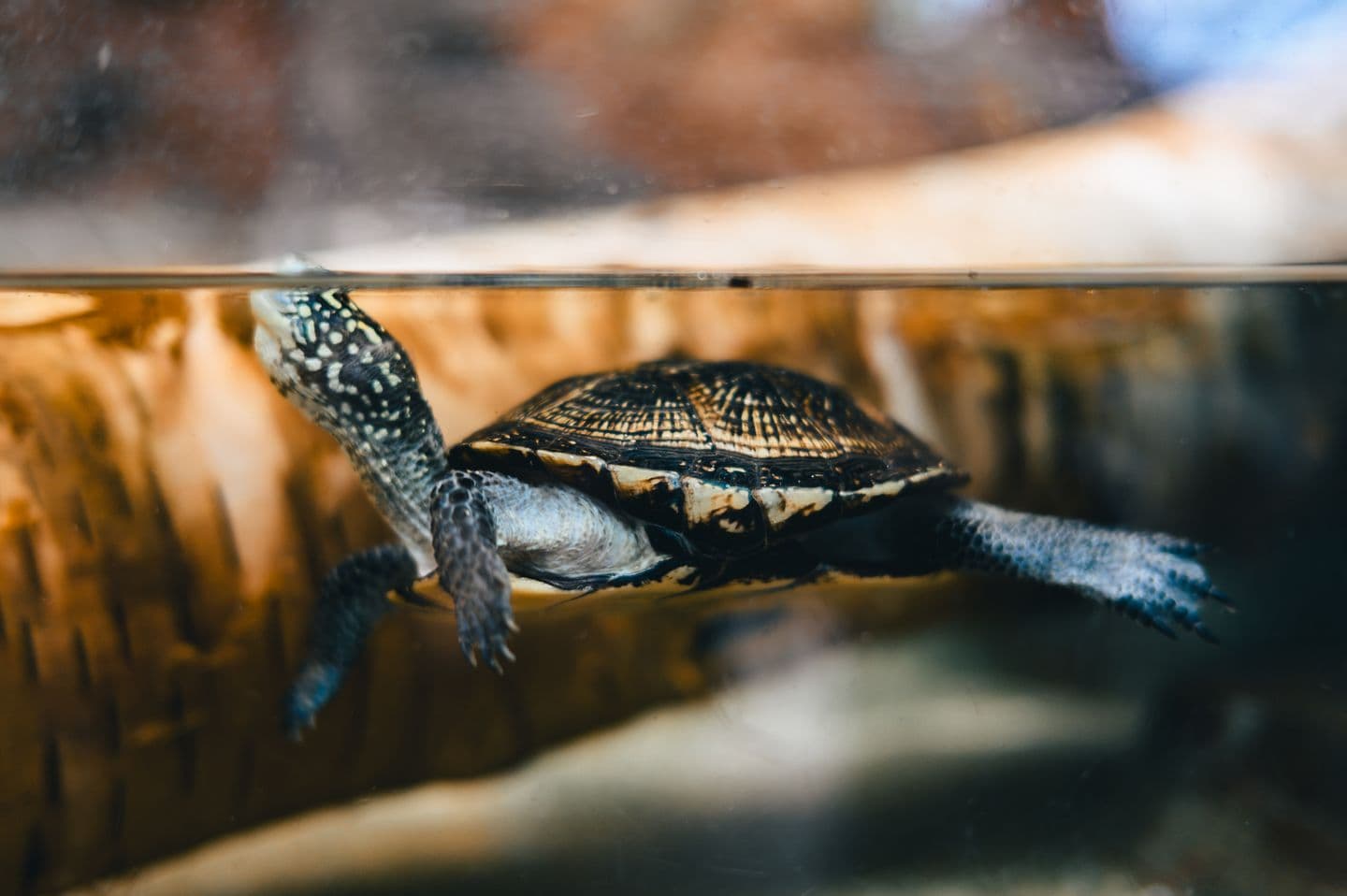
Water depth is important because aquatic turtles spend considerable time swimming and diving. However, the appropriate depth depends on the species, age, swimming ability and physical condition of the turtle.
For strong swimmers, water should generally be deep enough to allow unrestricted swimming and diving. A useful starting guideline is a depth of approximately 1.5–2 times the turtle's shell length, provided the animal can comfortably reach the surface.
For hatchlings, weak swimmers and species that are less adapted to deep water, shallower water with easy access to resting and climbing areas may be necessary.
Provide:
Submerged platforms or resting areas.
Sturdy structures that allow turtles to reach the surface easily.
Gentle entry and exit points.
Areas where the turtle can rest without constantly swimming.
Never assume that all aquatic turtles are equally strong swimmers. Some species, including mud and musk turtles, have different aquatic requirements from sliders and cooters.
Why Filtration Matters
Turtles produce considerably more waste than fish of comparable size. Uneaten food, faeces and other organic matter quickly contaminate the water. Poor water quality can contribute to skin, eye and shell problems.
A powerful filtration system is therefore essential.
A canister filter is often a good choice for medium and large turtle tanks. It offers greater filtration capacity and can accommodate different types of filter media.
An effective filtration system should provide three forms of filtration:
Mechanical filtration: Removes visible debris, uneaten food and suspended particles.
Biological filtration: Supports beneficial bacteria that convert toxic ammonia into nitrite and subsequently into less harmful nitrate.
Chemical filtration: Uses materials such as activated carbon to remove certain dissolved impurities and odours. It is optional and does not replace biological filtration.
Choose a filter rated for a tank considerably larger than the actual aquarium. Turtle tanks often benefit from filtration rated at two to three times their water volume, depending on the filter's actual flow rate and the tank's waste load.
Water Quality and Maintenance
Clear water does not necessarily mean clean water. Regular testing and maintenance are essential.
Test ammonia and nitrite regularly. Both should remain at zero.
Monitor nitrate levels and carry out partial water changes.
Remove uneaten food and visible waste.
Use a water conditioner to neutralise chlorine and chloramine in tap water.
Clean filter media using removed aquarium water rather than chlorinated tap water, to protect beneficial bacteria.
Avoid replacing all the filter media at once.
Partial water changes of around 25–50% may be appropriate depending on water quality, stocking and filtration.
Creating a Complete Aquatic Habitat
A turtle tank must also have a completely dry basking platform with easy access from the water. The platform should support the turtle's entire body and allow it to dry completely.
The basking area needs appropriate heating and UVB lighting. Water temperature should also be maintained according to the species' requirements.
The bottom line: A healthy turtle tank is not simply a container filled with water. It is a carefully maintained habitat that provides swimming space, clean water, suitable temperatures and access to dry land. Investing in the right setup from the beginning can prevent many health problems later.
Bringing home a turtle is not like bringing home a goldfish. A well cared for turtle can easily outlast a school career, a job, and sometimes a marriage. Before you buy that little hatchling from a pe
India's climate, warm for much of the year across most regions, makes an outdoor pond a genuinely appealing option for keepers of aquatic turtles. Done well, it offers more space, natural sunlight, an
Turtles look harmless enough to hand to a child, which is exactly why salmonella linked to pet turtles remains a genuine health concern worldwide, including in India. The good news is that the risk is