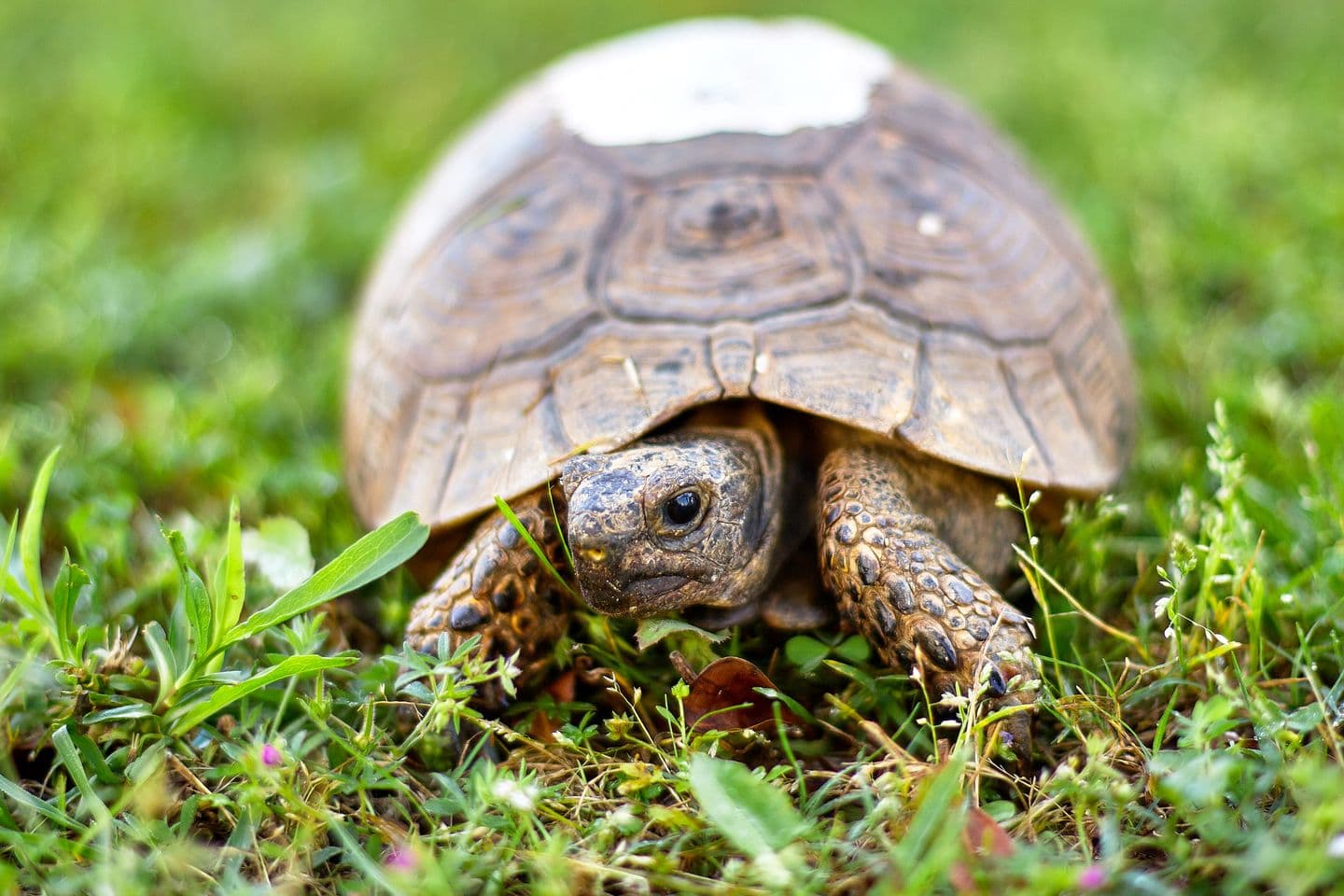
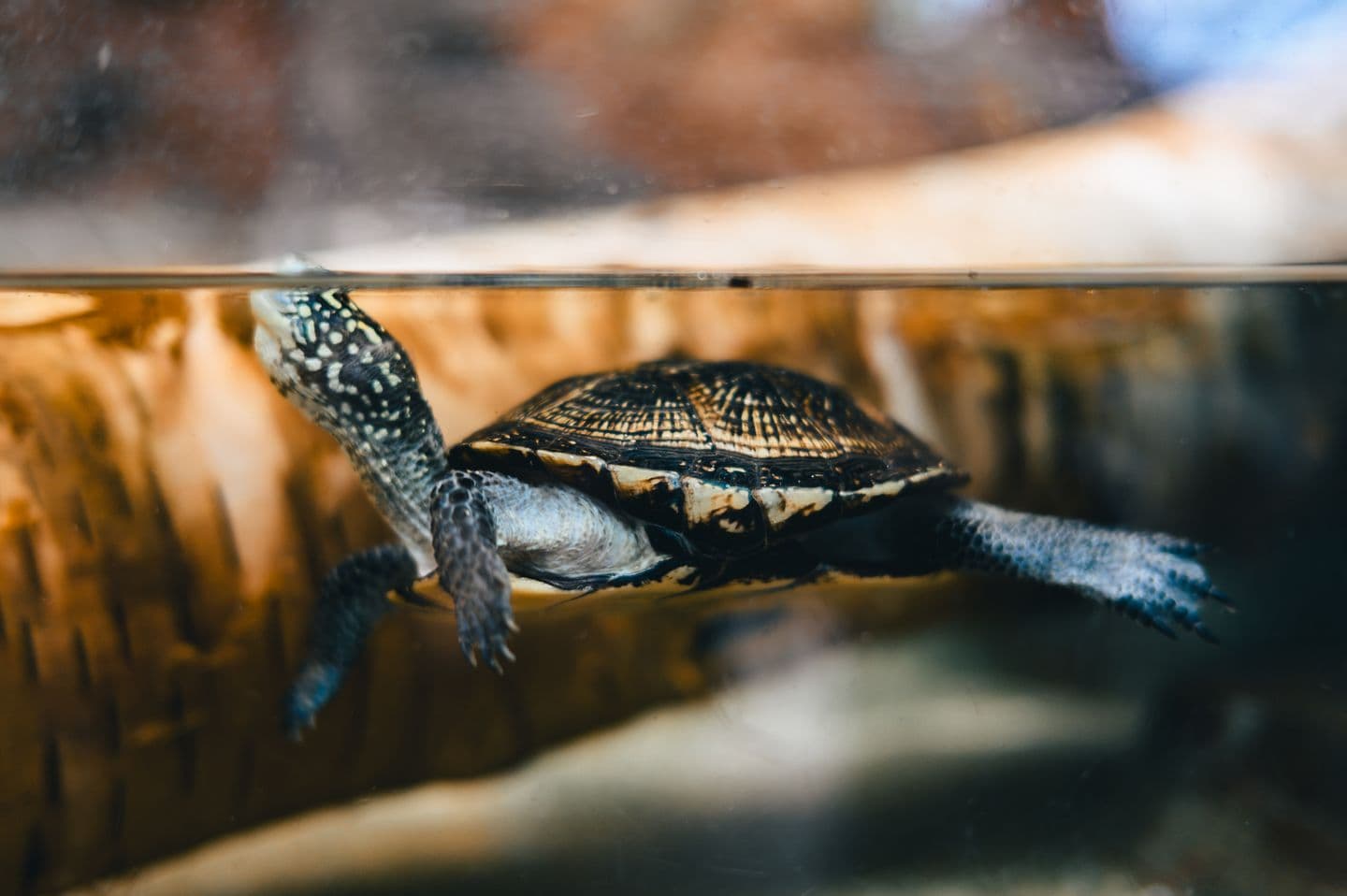
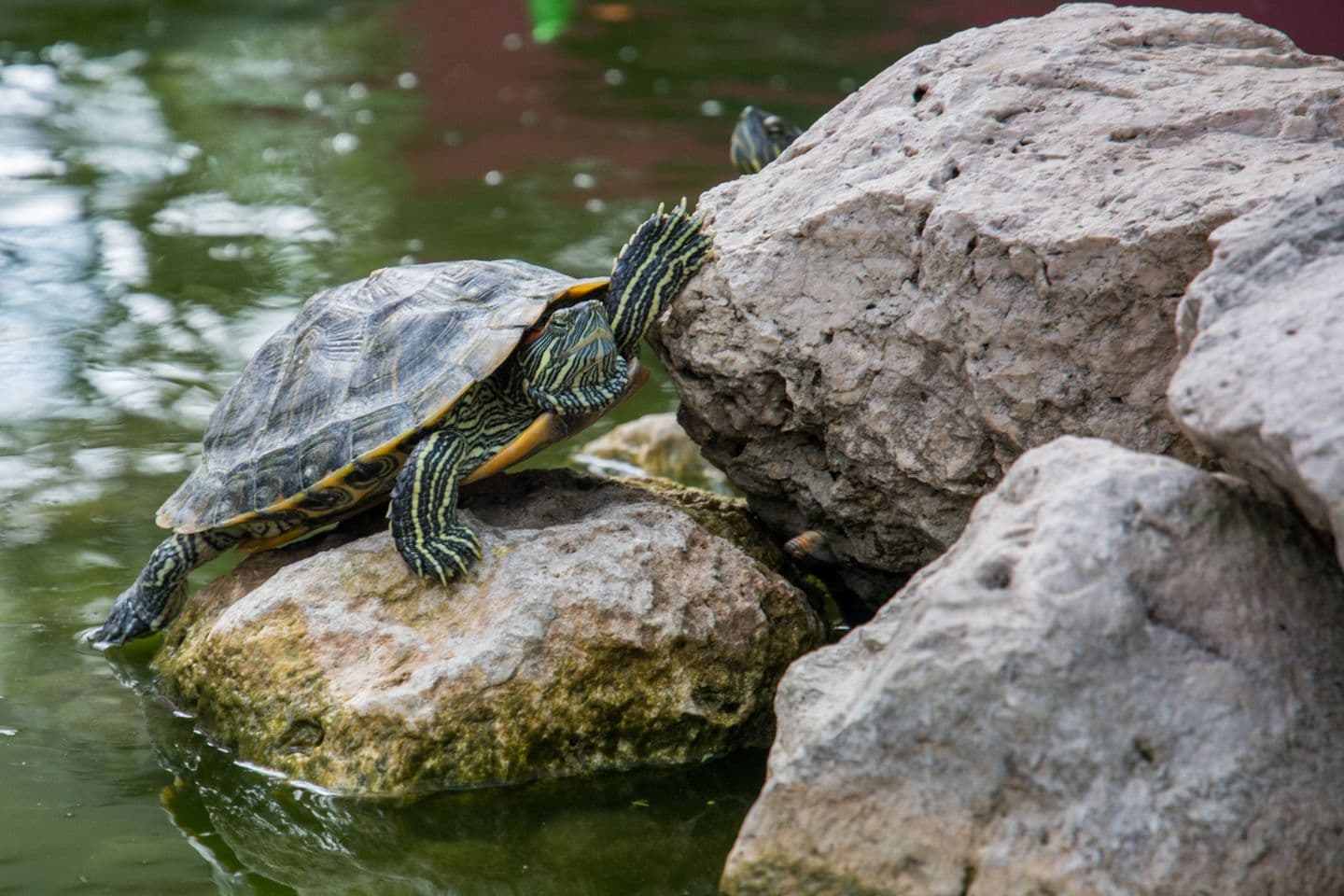
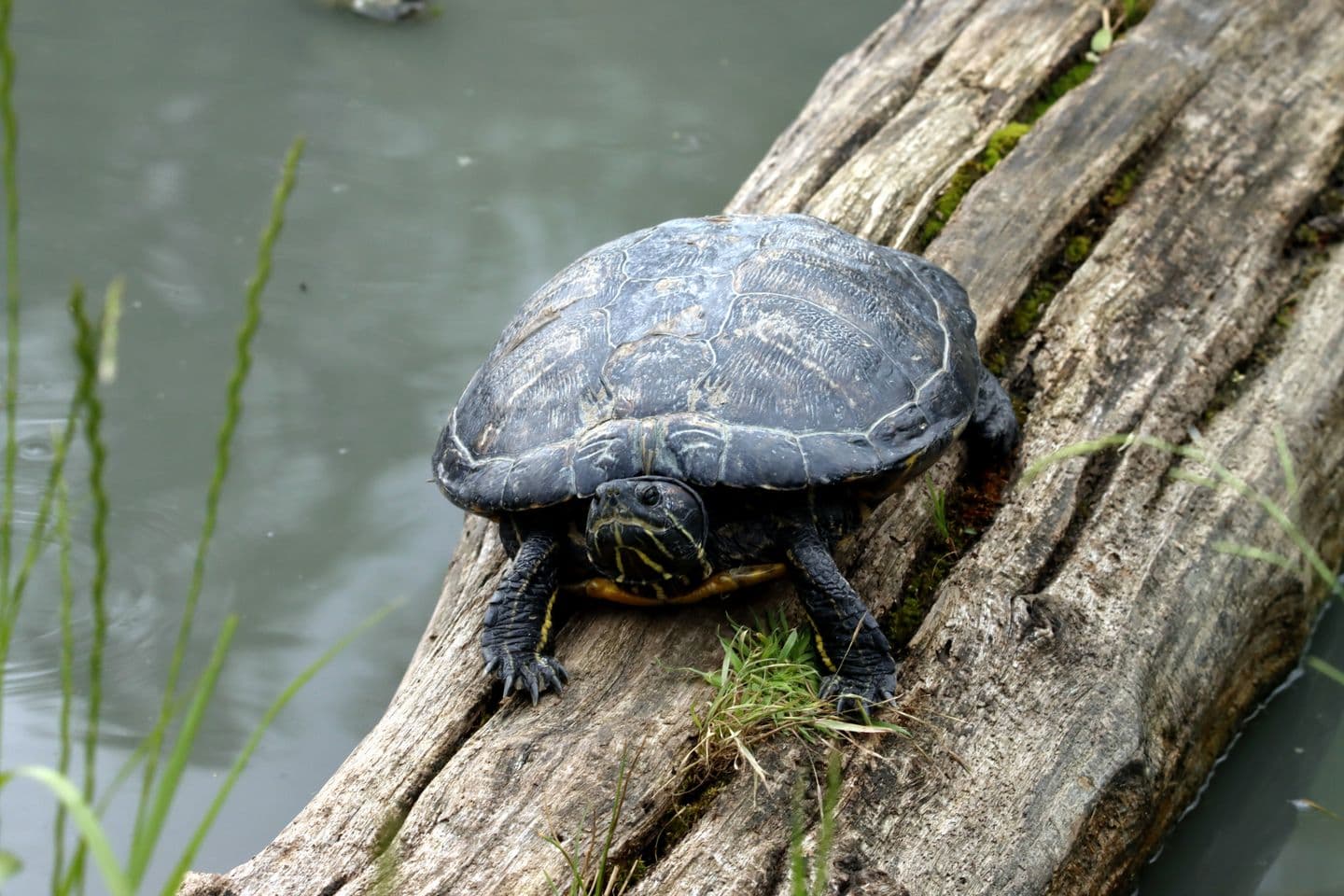
Tortoise Enclosures in Indian Summers and Monsoons
India's climate presents particular challenges for tortoise owners. Summer temperatures can become dangerously high, while the monsoon brings persistent rain, waterlogging and elevated humidity.
India's climate presents particular challenges for tortoise owners. Summer temperatures can become dangerously high, while the monsoon brings persistent rain, waterlogging and elevated humidity.
A suitable enclosure must protect a tortoise from both extremes. Simply placing a tortoise in an open garden or balcony does not provide adequate protection.
Preparing for Indian summers
Tortoises are ectothermic animals, meaning their body temperature is influenced by their surroundings. They need access to warmth but must also be able to move away from excessive heat.
During Indian summers:
Provide adequate shade: Every outdoor enclosure should have shaded areas that remain protected throughout the day.
Create temperature gradients: Include sunny and shaded sections so the tortoise can regulate its body temperature.
Provide fresh water: Use a stable, shallow water dish that the animal can enter and leave easily.
Avoid exposed concrete: Concrete terraces and balconies can become extremely hot and may cause burns.
Monitor temperatures: Use thermometers to check both basking and shaded areas.
Provide shelter: A secure hide should offer protection from direct sunlight.
Never leave a tortoise confined in a small enclosure exposed to direct afternoon sunlight without shade.
Preparing for the monsoon
Monsoon conditions require a different approach. Excessively wet enclosures can contribute to shell and skin infections, respiratory problems and other health complications.
Important precautions include:
1. Ensure proper drainage
The enclosure should not collect standing water. Raised sections, suitable soil and drainage channels can help prevent waterlogging.
2. Provide a dry shelter
Every tortoise needs a sheltered area where it can escape continuous rain. The shelter should remain dry and provide protection from strong winds.
3. Monitor humidity
Humidity requirements differ significantly between tortoise species. Tropical species may require relatively humid conditions, while some arid-adapted species need drier surroundings.
Do not assume that high ambient humidity automatically provides the correct microclimate.
4. Check the substrate
Avoid permanently waterlogged soil, muddy patches and slippery surfaces. Use a suitable substrate that allows natural movement and digging.
5. Protect against predators
Rats, dogs, cats and other animals can injure tortoises, especially hatchlings. Secure fencing and protective mesh are important.
Indoor and outdoor enclosures
An outdoor enclosure can provide natural sunlight, exercise and environmental enrichment when conditions are suitable.
However, indoor housing may be necessary during extreme heat, heavy rainfall or flooding. Indoor enclosures must still provide appropriate UVB lighting, basking temperatures, ventilation and sufficient space.
Natural sunlight through glass windows does not provide adequate UVB exposure.
Watch for signs of heat stress
Excessive heat can cause:
Unusual inactivity.
Persistent attempts to escape.
Excessive panting or open-mouth breathing.
Weakness.
Dehydration and sunken eyes.
Move an overheated tortoise to a cooler, shaded environment and contact a reptile veterinarian if symptoms are significant.
A seasonal maintenance routine
Inspect outdoor enclosures before summer and before the monsoon. Check fencing, drainage, shelters, shade, water availability and substrate conditions.
The takeaway: Indian summers and monsoons demand seasonal enclosure management. The objective is not to keep a tortoise permanently warm or dry, but to provide the correct microclimate and allow it to regulate its body temperature safely.
Bringing home a turtle is not like bringing home a goldfish. A well cared for turtle can easily outlast a school career, a job, and sometimes a marriage. Before you buy that little hatchling from a pe
India's climate, warm for much of the year across most regions, makes an outdoor pond a genuinely appealing option for keepers of aquatic turtles. Done well, it offers more space, natural sunlight, an
Turtles look harmless enough to hand to a child, which is exactly why salmonella linked to pet turtles remains a genuine health concern worldwide, including in India. The good news is that the risk is