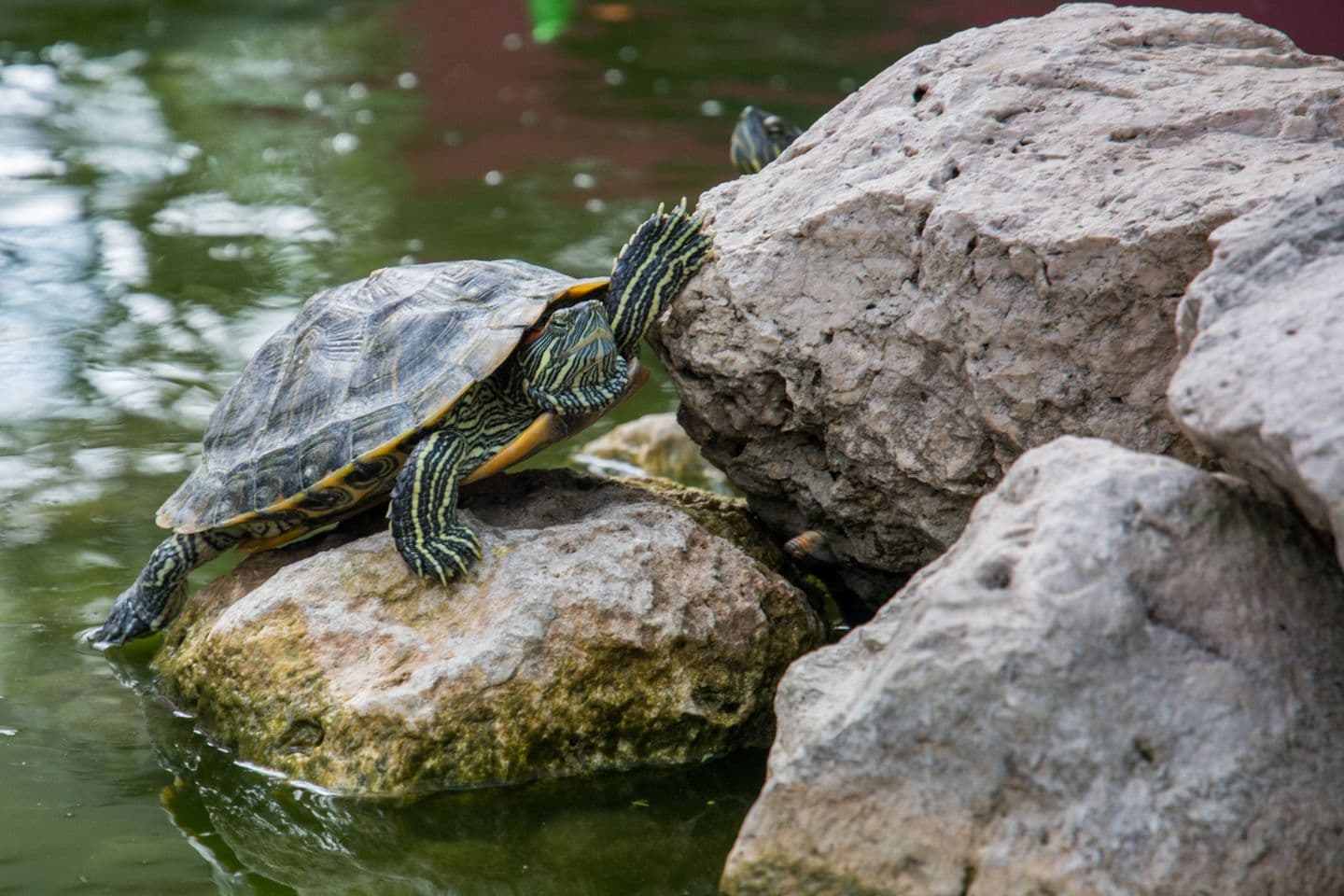
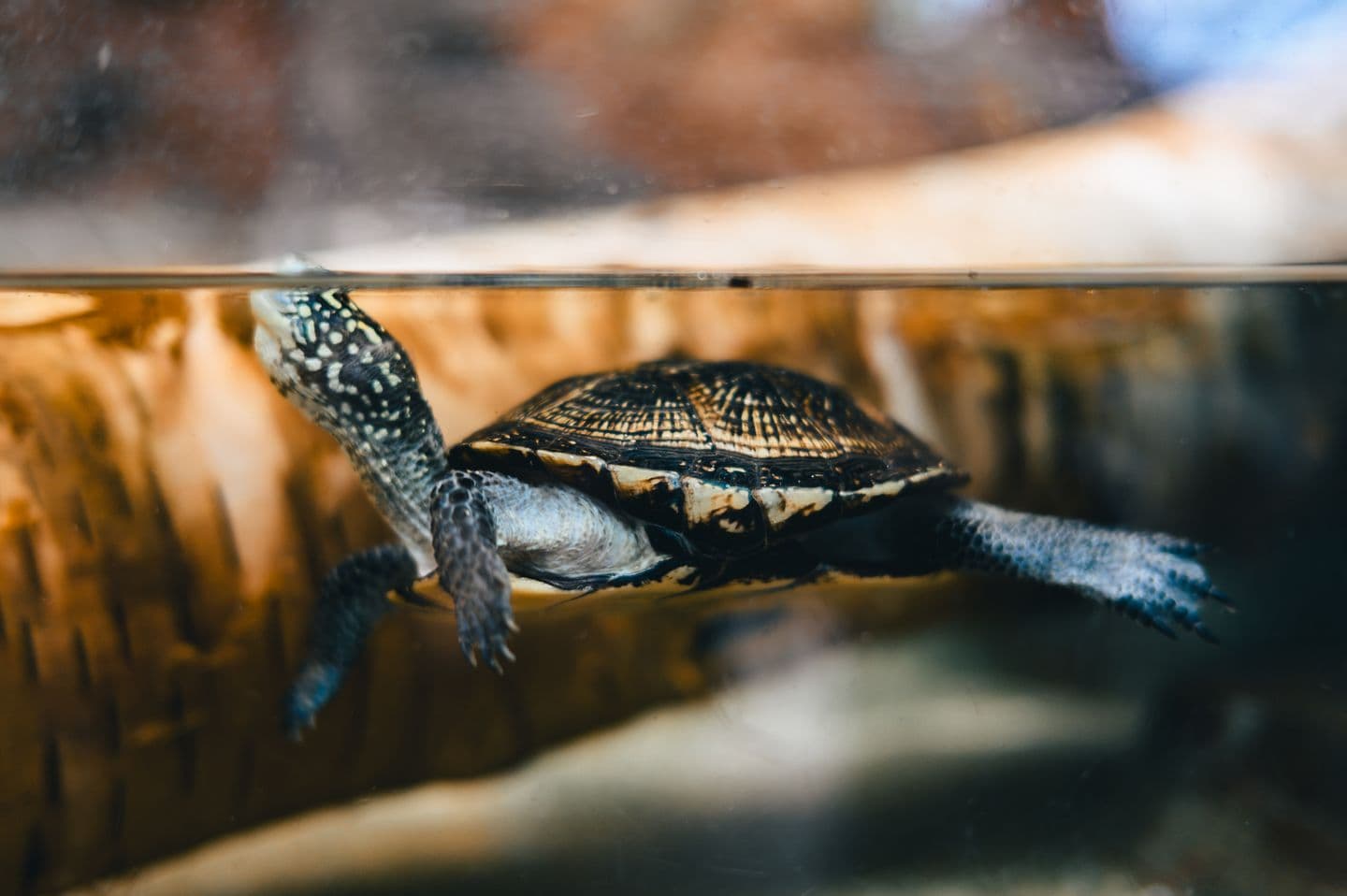
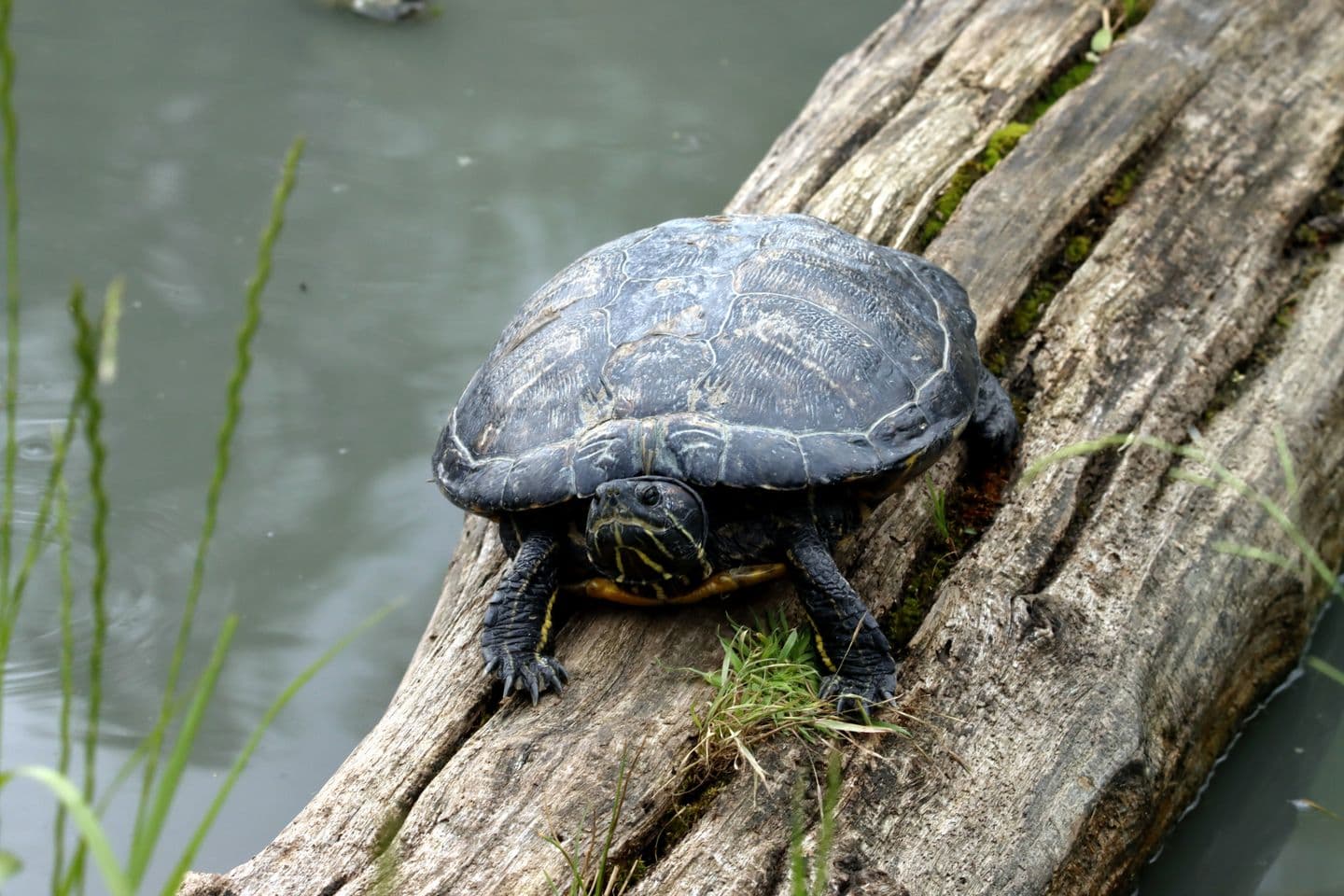
The first year of a turtle's or tortoise's life is particularly important. Hatchlings are small, vulnerable and more susceptible to dehydration, nutritional deficiencies, infections and inappropriate
The first year of a turtle's or tortoise's life is particularly important. Hatchlings are small, vulnerable and more susceptible to dehydration, nutritional deficiencies, infections and inappropriate environmental conditions.
Providing the right care from the beginning helps establish healthy growth and reduces the risk of long-term health problems.
1. Prepare the enclosure
Hatchlings need a secure enclosure that allows them to move, explore, feed and thermoregulate.
The enclosure should provide:
Adequate space for movement.
A species-appropriate substrate.
A warm basking area.
A cooler section for temperature regulation.
Appropriate hiding places.
Protection from predators.
Avoid placing hatchlings in large, open outdoor areas where they can become lost or exposed to predators.
2. Maintain appropriate temperatures
Young turtles and tortoises need stable, species-specific temperatures.
Provide a temperature gradient rather than heating the entire enclosure uniformly. This allows hatchlings to move between warmer and cooler areas.
Use reliable thermometers to monitor the enclosure. Avoid placing heat sources where hatchlings can touch them and suffer burns.
3. Provide UVB lighting
UVB exposure is essential for normal vitamin D3 production and calcium metabolism.
For indoor enclosures, use a suitable reptile UVB lamp at the distance recommended by its manufacturer. Replace lamps according to their rated lifespan, even if they continue producing visible light.
Where natural sunlight is available, provide supervised access to direct sunlight with shade and protection from overheating. Glass windows block most useful UVB radiation.
4. Feed an appropriate diet
Feeding requirements differ between aquatic turtles and terrestrial tortoises.
Aquatic turtle hatchlings: Many species are omnivorous and require a balanced diet combining appropriate commercial turtle food with suitable plant and animal-based foods.
Tortoise hatchlings: Most commonly kept herbivorous tortoises require a varied, fibre-rich diet consisting of appropriate grasses, weeds and leafy plants.
Avoid feeding the same food every day. Do not assume that fruit, bread, rice or human leftovers are suitable.
Calcium supplementation may be necessary, depending on the species and diet.
5. Prevent dehydration
Hatchlings can become dehydrated relatively quickly.
Provide fresh water in a shallow, stable container that allows easy entry and exit. The water should never be deep enough to create a drowning risk.
For tortoise hatchlings, supervised soaking in shallow, comfortably warm water may be recommended as part of their care routine. The frequency should depend on species, age and individual requirements.
Aquatic turtle hatchlings require clean water and an accessible basking platform where they can completely leave the water.
6. Monitor growth and development
Observe hatchlings daily and record their weight periodically using an accurate digital scale.
Look for:
Consistent feeding behaviour.
Normal movement and activity.
Firm, healthy shell development.
Clear eyes and clean nostrils.
Normal limb movement.
No visible injuries or shell abnormalities.
A soft shell, swollen eyes, poor appetite or unusual lethargy warrants veterinary attention.
7. Protect them from stress and injury
Avoid excessive handling. Keep hatchlings away from dogs, cats, rats and other potential predators.
Do not house different species together. Even hatchlings of the same species may compete for food or basking space.
8. Schedule veterinary checks
A reptile veterinarian can assess growth, nutritional status, shell development and general health. New hatchlings should receive an initial health assessment, with follow-up based on veterinary recommendations.
The takeaway: The first year establishes the foundation for a turtle's or tortoise's long-term health. Appropriate nutrition, UVB exposure, hydration, temperature control and protection are essential.
Bringing home a turtle is not like bringing home a goldfish. A well cared for turtle can easily outlast a school career, a job, and sometimes a marriage. Before you buy that little hatchling from a pe
India's climate, warm for much of the year across most regions, makes an outdoor pond a genuinely appealing option for keepers of aquatic turtles. Done well, it offers more space, natural sunlight, an
Turtles look harmless enough to hand to a child, which is exactly why salmonella linked to pet turtles remains a genuine health concern worldwide, including in India. The good news is that the risk is