Aquatic turtles look low maintenance next to a dog or cat, but the truth is closer to the opposite. Good care depends on getting several systems right at once: water, heat, light, and diet. Miss one,
Aquatic turtles look low maintenance next to a dog or cat, but the truth is closer to the opposite. Good care depends on getting several systems right at once: water, heat, light, and diet. Miss one, and health problems tend to follow.
Tank size that accounts for growth
A common mistake is buying a tank sized for a hatchling. A rough rule used by many keepers is roughly fifteen litres of water for every centimetre of shell length, and most aquatic turtles grow considerably larger than they appear in the pet shop. Plan for the adult size from day one rather than upgrading repeatedly.
Water quality and filtration
Turtles are messy by nature, eating and defecating in the same water they swim in. A filter rated for two to three times the actual tank volume is a sensible starting point, and partial water changes of around twenty five percent every one to two weeks help keep ammonia and nitrate levels in check even with strong filtration.
A proper basking area
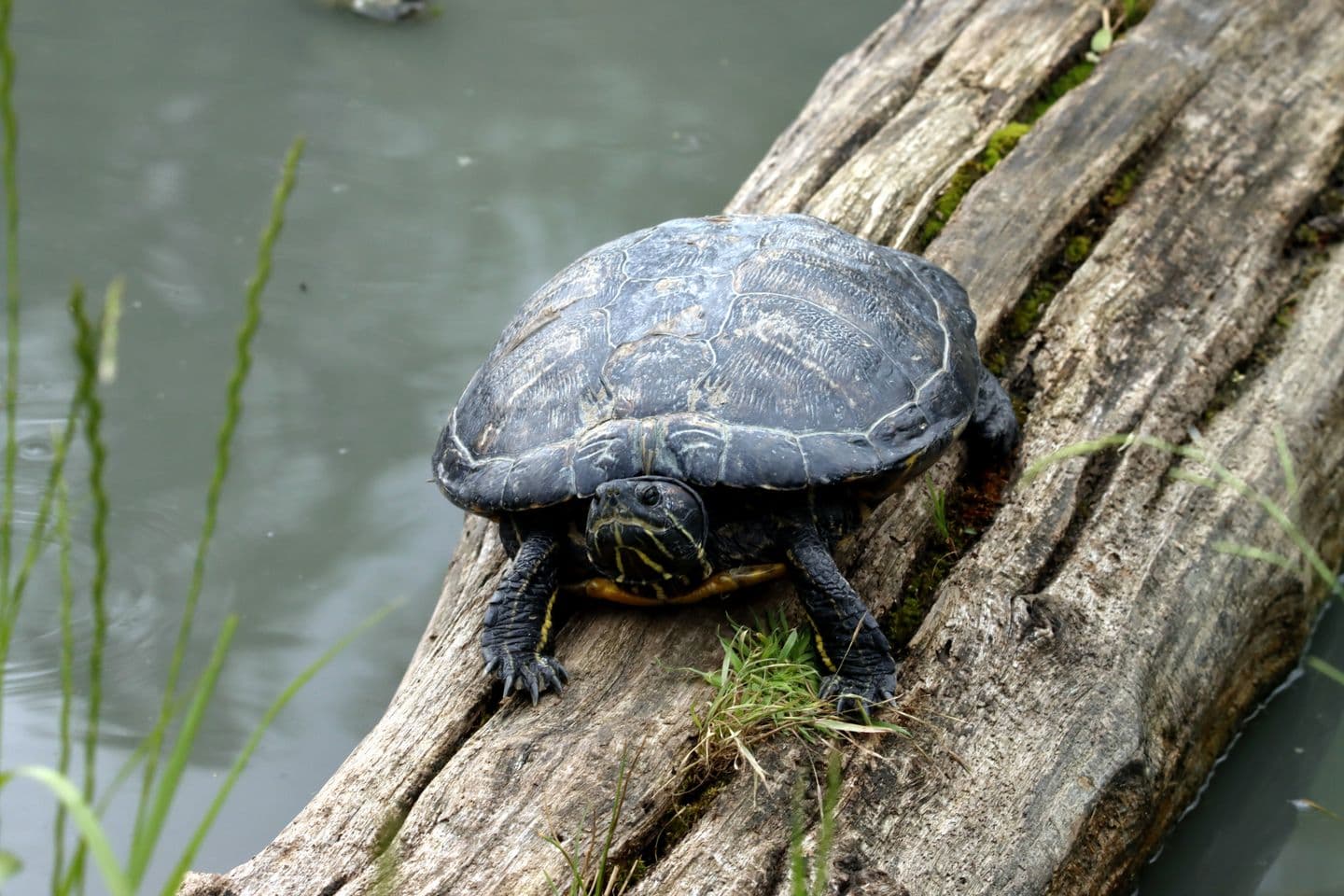
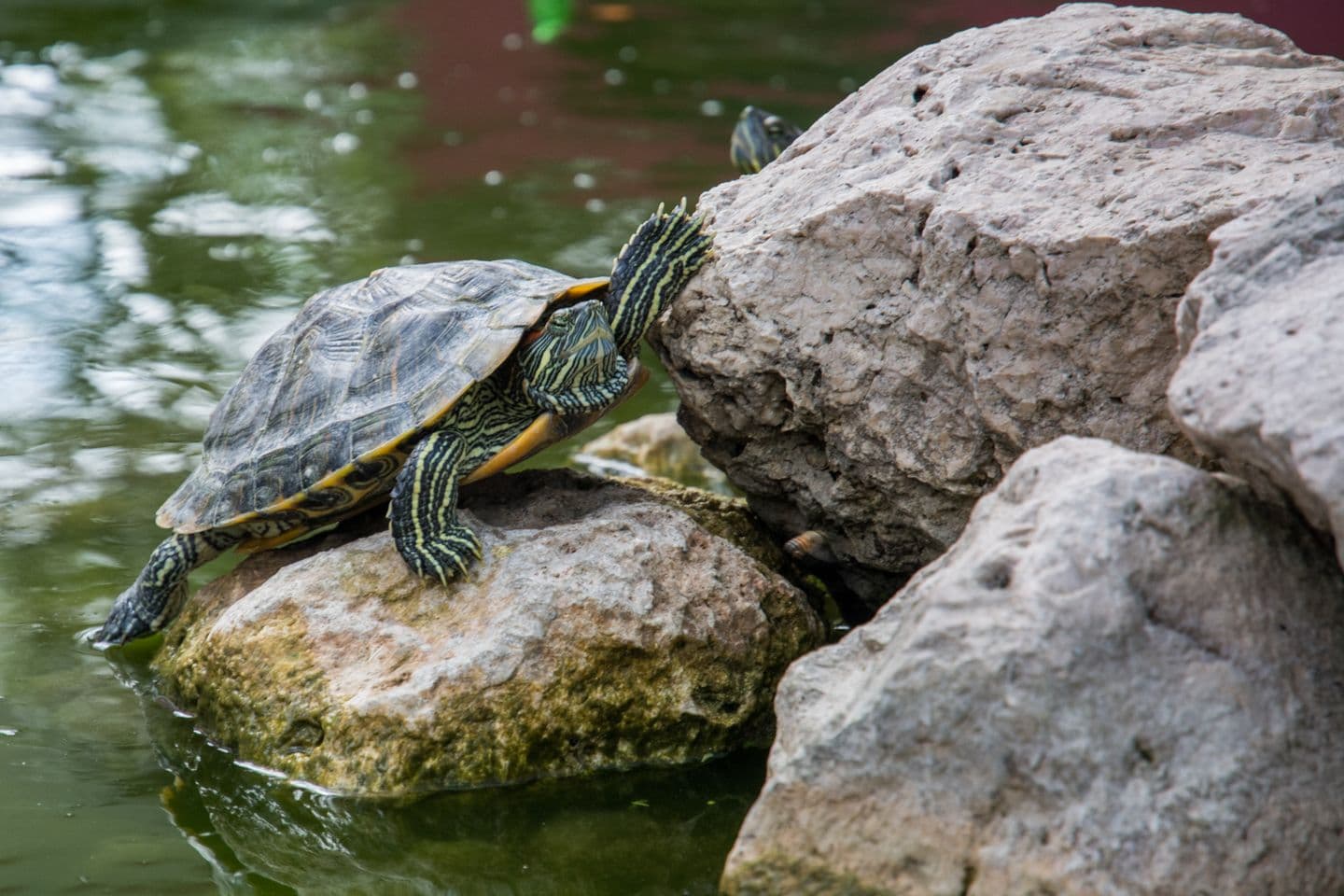
Every aquatic turtle needs a dry platform where it can climb fully out of the water. This should sit under a basking lamp that brings the surface to roughly 32 to 35 degrees Celsius, letting the turtle regulate its body temperature and dry off completely, which helps prevent shell and skin infections.
UVB lighting, not just heat
A heat lamp alone is not enough. Turtles need UVB light to produce vitamin D3, which allows them to absorb calcium properly. Without it, shells can soften or grow unevenly over time. Reptile specific UVB tubes should run for ten to twelve hours a day and be replaced roughly every six to twelve months, since UVB output fades well before the bulb itself stops working.
A balanced, varied diet
Most aquatic species do well on a mix of good quality commercial turtle pellets, leafy greens, and occasional protein such as earthworms or small pieces of fish, adjusted for the specific species. Overfeeding protein is one of the most common dietary mistakes and can lead to rapid, unhealthy growth and shell problems.
Handling and everyday hygiene
Turtles are not cuddly pets and generally prefer to be left alone. Keep handling brief and always wash hands thoroughly afterwards, since turtles can carry salmonella even when they appear perfectly healthy.
Routine veterinary care
An annual check up with a vet experienced in reptiles can catch shell problems, respiratory infections, and nutritional deficiencies early, well before they become visible or serious.
Bringing home a turtle is not like bringing home a goldfish. A well cared for turtle can easily outlast a school career, a job, and sometimes a marriage. Before you buy that little hatchling from a pe
India's climate, warm for much of the year across most regions, makes an outdoor pond a genuinely appealing option for keepers of aquatic turtles. Done well, it offers more space, natural sunlight, an
Turtles look harmless enough to hand to a child, which is exactly why salmonella linked to pet turtles remains a genuine health concern worldwide, including in India. The good news is that the risk is