A small turtle in a pet shop aquarium can be difficult to resist. Its slow movements, unusual appearance and apparently undemanding nature make it an attractive purchase, particularly for children. Ho
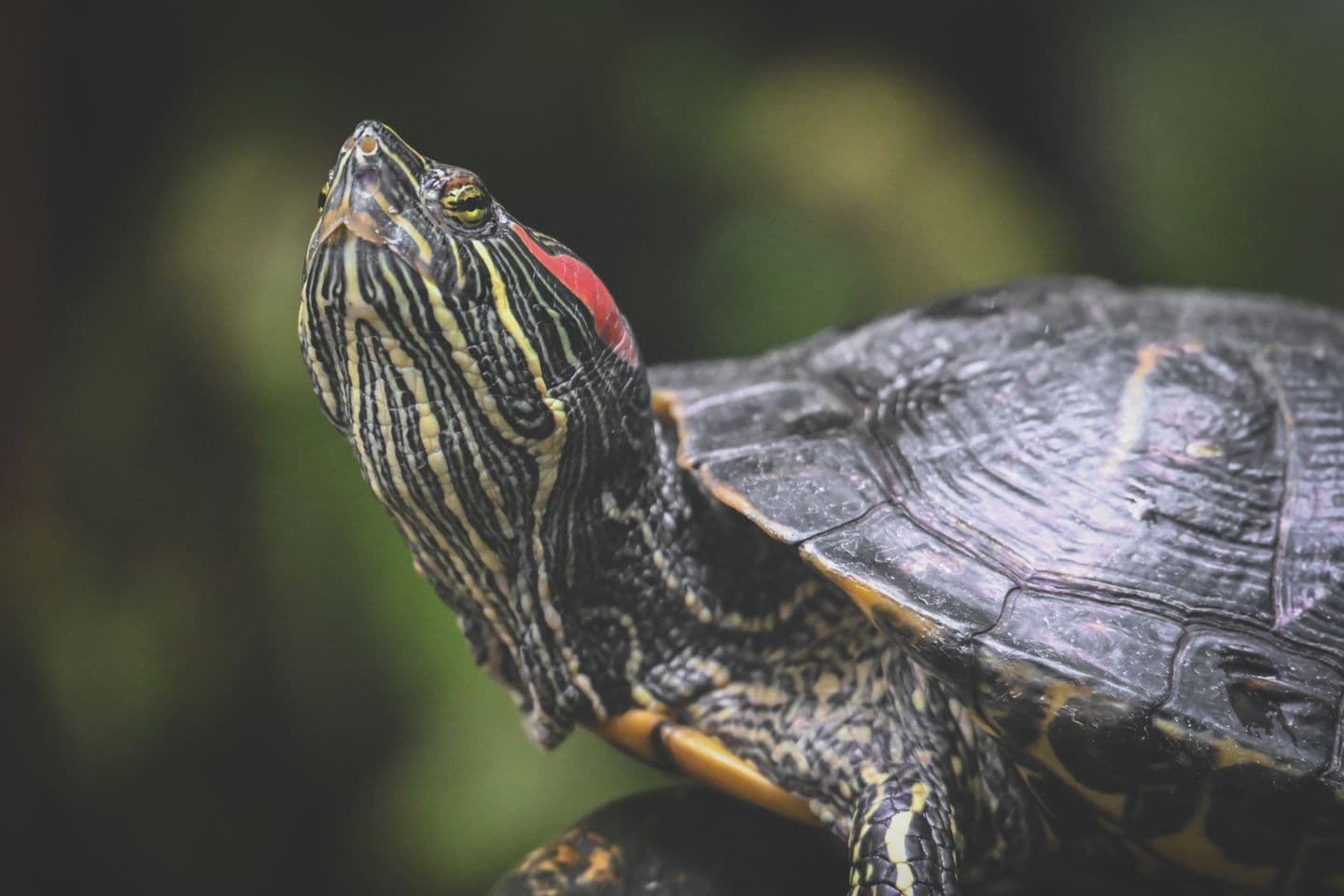
A small turtle in a pet shop aquarium can be difficult to resist. Its slow movements, unusual appearance and apparently undemanding nature make it an attractive purchase, particularly for children. However, turtles and tortoises are among the most misunderstood animals in the pet trade. Their small size when young often hides the substantial commitment involved in keeping them. They may grow considerably, live for decades and require specialised housing, nutrition and veterinary care. A turtle should never be purchased simply because it looks cute.
A Lifetime of Responsibility
Depending on the species, turtles can live for several decades. Some tortoises may live considerably longer. An animal purchased for a child may outlive the child's school years, university education and even early career.
Its expected adult size.
Its likely lifespan.
The space required throughout its life.
The cost of specialist veterinary treatment.
The availability of appropriate food.
The arrangements needed during holidays or relocation.
These are long-term responsibilities, not temporary inconveniences.
Aquatic Turtles Need Complex Environments
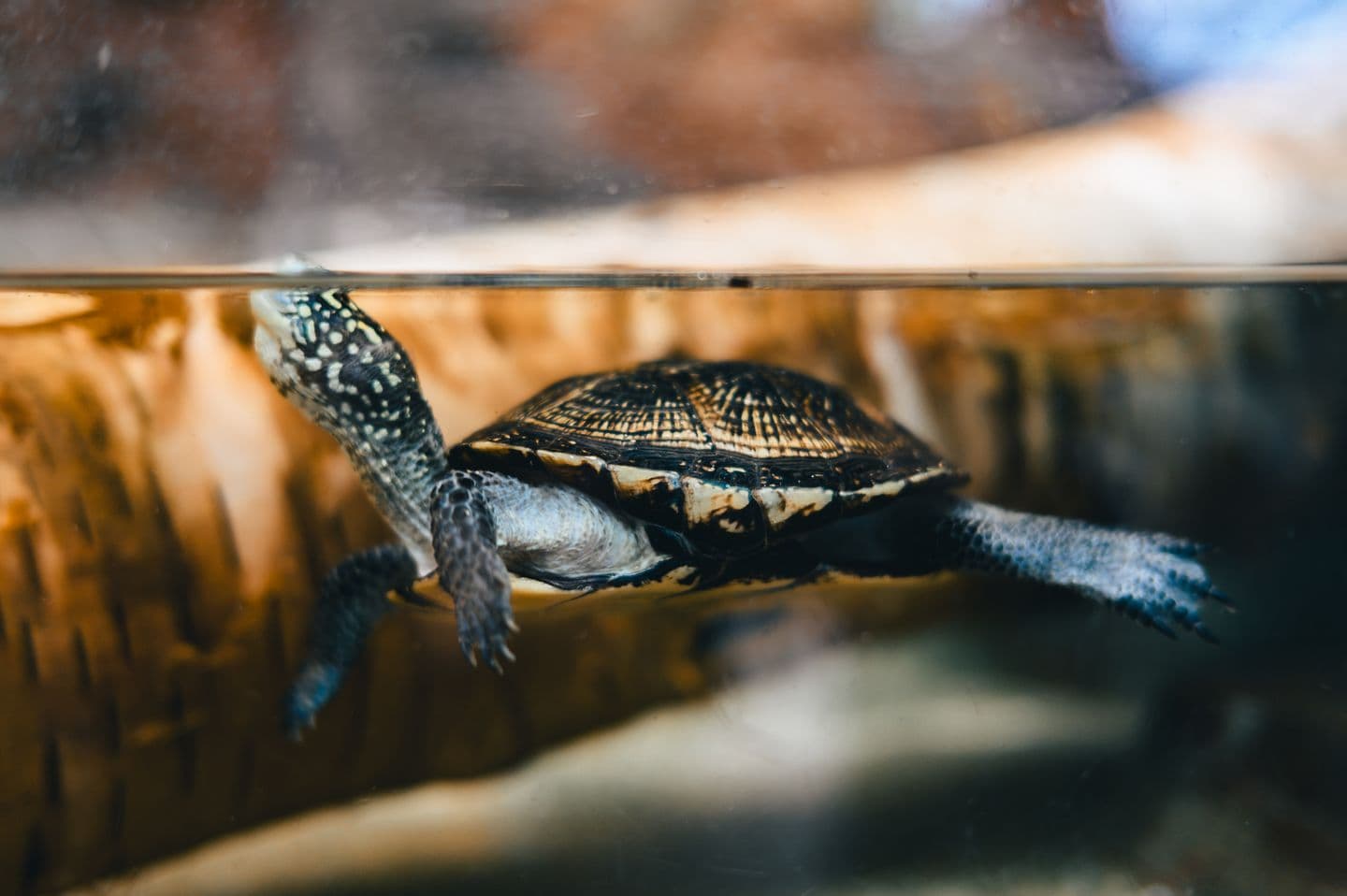
Aquatic turtles require much more than a small tank filled with water. Their habitat must provide:
Sufficient swimming space.
Clean, properly filtered water.
Suitable water temperatures.
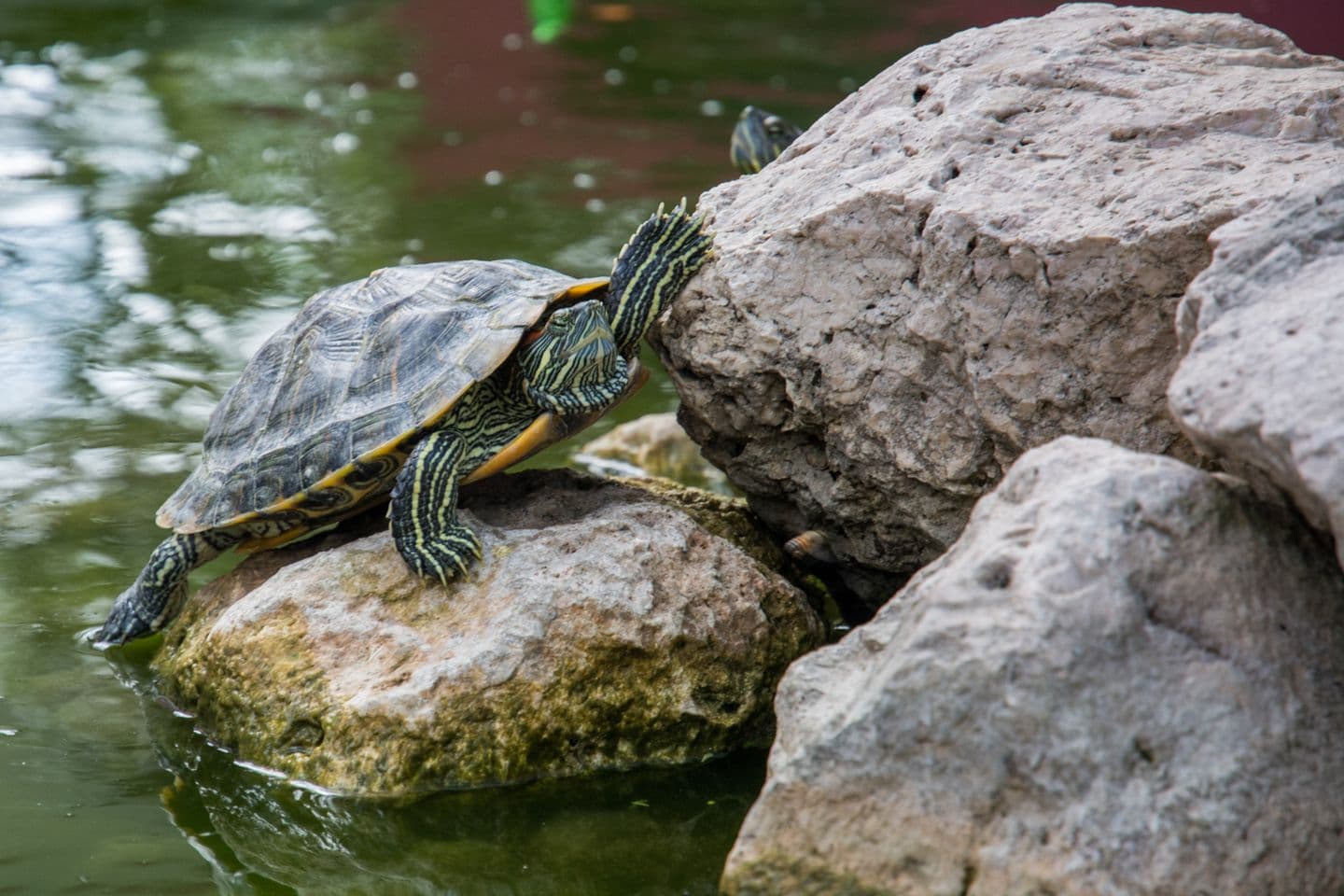
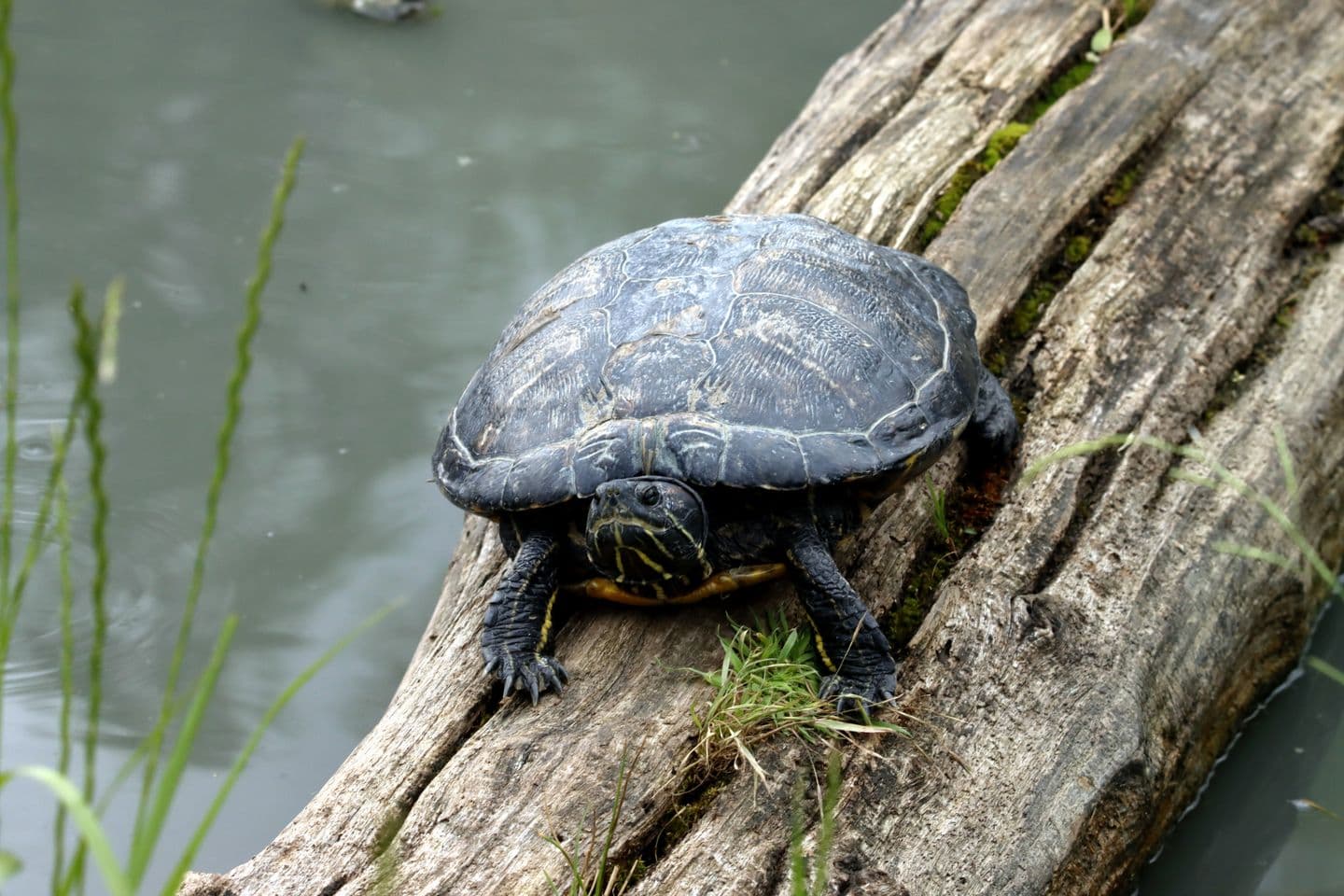
A completely accessible dry basking area.
Appropriate heating and UVB lighting.
Species-specific nutrition.
Poor water quality can contribute to infections and other health problems. Inadequate UVB exposure and incorrect nutrition can cause metabolic bone disease and shell abnormalities.
Tortoises Have Different Needs
Tortoises are primarily terrestrial animals and require appropriately designed land enclosures. Their needs vary according to species, but may include:
Suitable substrate for walking and digging.
Access to sunlight or appropriate UVB lighting.
Temperature gradients.
Species-specific vegetation.
Hiding places.
Adequate exercise space.
Keeping a tortoise in a small plastic container or allowing it to wander unsupervised around a house is not responsible care.
The Conservation Dimension
The demand for turtles and tortoises has contributed to illegal wildlife collection and international trafficking. Many species are threatened by habitat destruction, exploitation and the illegal pet trade. In India, several native turtle and tortoise species receive legal protection under the Wild Life (Protection) Act, 1972, as amended. Capturing, possessing or trading protected native wildlife without lawful authority can have serious legal consequences. Certain exotic live animal species listed under CITES and included in Schedule IV of the Act are subject to specific reporting and registration requirements under Section 49M and the Living Animal Species (Reporting and Registration) Rules, 2024. These requirements do not mean that every exotic turtle or tortoise is automatically legal to acquire. Prospective owners must establish the exact species, its origin and applicable legal requirements before considering ownership.
Think Before You Buy
A turtle should never be purchased from an informal seller, roadside market or unverified online source. Anyone considering ownership must first consult a qualified reptile veterinarian and verify the legal status of the species.
A turtle is not a temporary childhood pet. It is a living commitment that may continue for decades. The most responsible decision may sometimes be to admire these fascinating animals without bringing one home.
Bringing home a turtle is not like bringing home a goldfish. A well cared for turtle can easily outlast a school career, a job, and sometimes a marriage. Before you buy that little hatchling from a pe
India's climate, warm for much of the year across most regions, makes an outdoor pond a genuinely appealing option for keepers of aquatic turtles. Done well, it offers more space, natural sunlight, an
Turtles look harmless enough to hand to a child, which is exactly why salmonella linked to pet turtles remains a genuine health concern worldwide, including in India. The good news is that the risk is