Respiratory infections are among the more serious health problems encountered in captive turtles and tortoises. They can affect the upper respiratory tract, including the nasal passages, or progress t
Respiratory infections are among the more serious health problems encountered in captive turtles and tortoises. They can affect the upper respiratory tract, including the nasal passages, or progress to the lungs and cause pneumonia.
Unlike mammals, reptiles depend on their surrounding environment to regulate body temperature. Consequently, inappropriate temperatures, poor nutrition and unsuitable housing can compromise their ability to fight infections.
What causes respiratory infections?
Respiratory infections can have several underlying causes:
Bacterial or viral infections.
Inadequate enclosure temperatures.
Sudden temperature fluctuations.
Poor ventilation and unsanitary living conditions.
Nutritional deficiencies, particularly vitamin A deficiency in turtles.
Chronic stress and inadequate husbandry.
Aquatic turtles are particularly vulnerable when water filtration and hygiene are inadequate.
Recognising the symptoms
Early identification is important because respiratory problems can deteriorate quickly.
Look for the following signs:
Discharge or bubbles around the nostrils.
Excess mucus around the mouth.
Wheezing or unusual breathing sounds.
Open-mouth breathing or gasping.
Swollen or watery eyes.
Reduced appetite.
Lethargy and reduced activity.
Repeatedly stretching the neck to breathe.
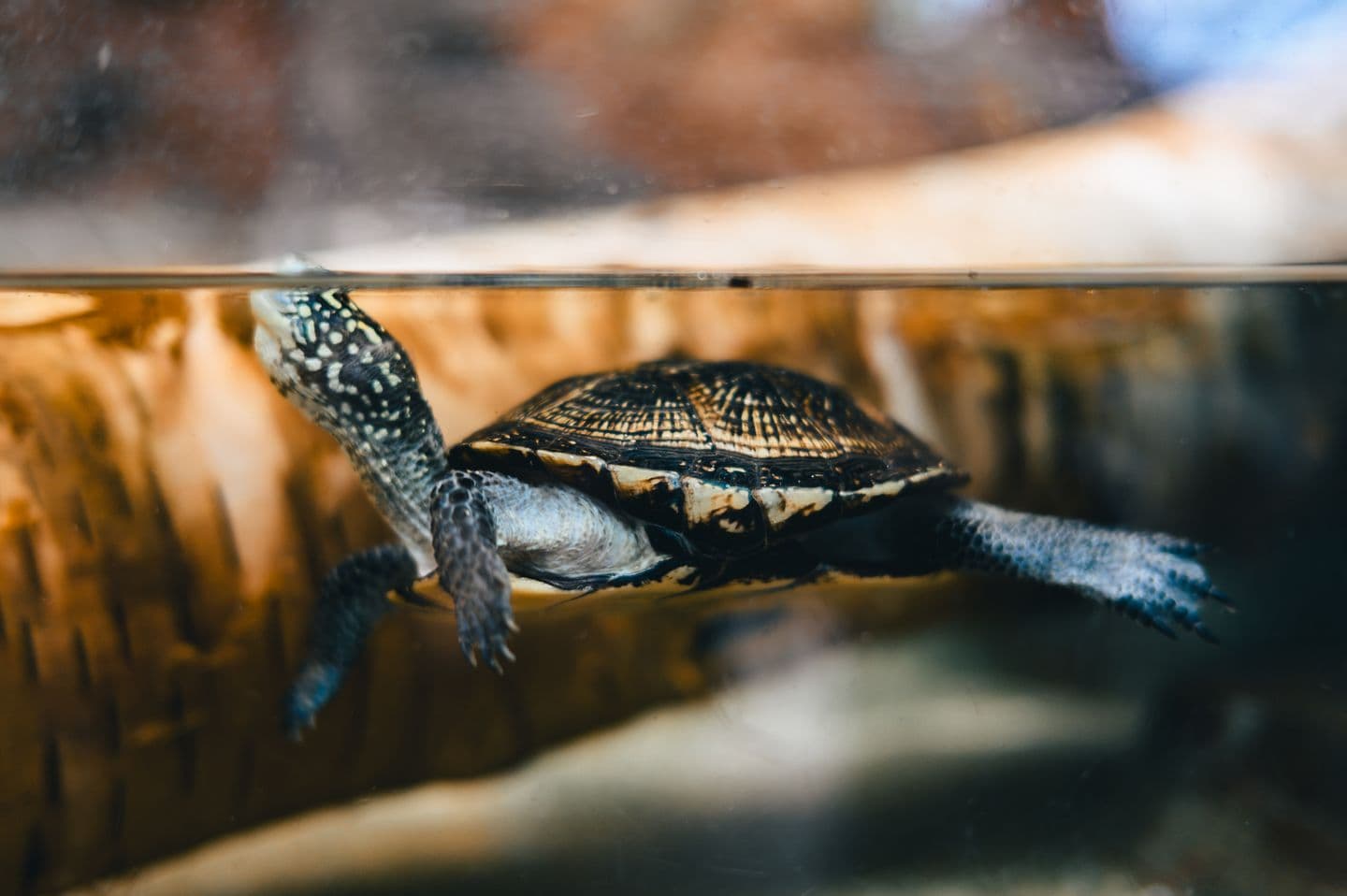
In aquatic turtles, an especially important warning sign is swimming unevenly or floating with a persistent sideways tilt. This may indicate pneumonia or another serious problem affecting buoyancy.
What should you do?
Any suspected respiratory infection should be evaluated by a veterinarian experienced in reptile medicine.
Until veterinary attention is available:
Maintain the animal within its normal species-specific temperature range.
Ensure the enclosure is clean and appropriately ventilated.
For aquatic turtles, maintain clean, properly filtered water and an accessible basking platform.
Minimise handling and unnecessary stress.
Separate the affected animal from other turtles or tortoises to reduce the risk of disease transmission.
Do not attempt to treat the infection using human antibiotics or medicines prescribed for other animals.
How are respiratory infections treated?
Treatment depends on the underlying cause and severity.
A veterinarian may recommend physical examination, diagnostic testing, radiographs or laboratory investigations.
Treatment can include:
Appropriate antibiotics for confirmed or suspected bacterial infections.
Fluid therapy where dehydration is present.
Correction of temperature and humidity.
Nutritional support.
Treatment of underlying vitamin deficiencies.
Antibiotics should only be administered under veterinary supervision. Incorrect medication or dosage can delay treatment and cause further complications.
Prevention is better than treatment
Good husbandry significantly reduces the risk of respiratory illness.
Maintain stable, species-appropriate temperatures and avoid exposing animals to cold drafts. Ensure adequate ventilation without creating excessive temperature fluctuations. Aquatic turtles need effective filtration, regular water maintenance and a dry basking area.
Provide a balanced diet and avoid overcrowding. New animals should be quarantined before being introduced to existing enclosures.
When is it an emergency?
Open-mouth breathing, gasping, pronounced weakness and persistent sideways floating require urgent veterinary attention. Do not wait for symptoms to disappear on their own.
The takeaway: Respiratory infections are treatable, particularly when detected early. Good nutrition, clean housing and correct environmental conditions are the foundation of prevention.
Bringing home a turtle is not like bringing home a goldfish. A well cared for turtle can easily outlast a school career, a job, and sometimes a marriage. Before you buy that little hatchling from a pe
India's climate, warm for much of the year across most regions, makes an outdoor pond a genuinely appealing option for keepers of aquatic turtles. Done well, it offers more space, natural sunlight, an
Turtles look harmless enough to hand to a child, which is exactly why salmonella linked to pet turtles remains a genuine health concern worldwide, including in India. The good news is that the risk is