Not every turtle suits every household, and in India the choice comes with an extra layer of homework: legality. Before falling for a particular shell pattern, it helps to understand what you are allo
Not every turtle suits every household, and in India the choice comes with an extra layer of homework: legality. Before falling for a particular shell pattern, it helps to understand what you are allowed to keep, what the animal will need as an adult, and how it fits your climate and living space.
Start with the law, not the pet shop shelf
Every native Indian turtle and tortoise species, including all freshwater and marine turtles found in Indian rivers, lakes, and coastlines, is protected under the Wildlife Protection Act, 1972. The Wild Life (Protection) Amendment Act, 2022 reorganised the law's schedules, reducing them from six to four and placing most native species under the strictest protection. This means the turtles that are realistically available to keep as pets in India are non native, exotic species.
Owning an exotic species is not necessarily illegal, but it is not unregulated either. Under the Living Animal Species (Reporting and Registration) Rules, 2024, anyone possessing certain exotic animals, including the red eared slider, is expected to report and register that animal with the authorities. Several popular pet tortoises, such as the sulcata, red footed, Russian, and leopard tortoises, are also internationally regulated under CITES and generally require valid import documentation. Always ask a seller for clear paperwork before buying any reptile, and when in doubt, walk away.
Aquatic species commonly seen in Indian homes
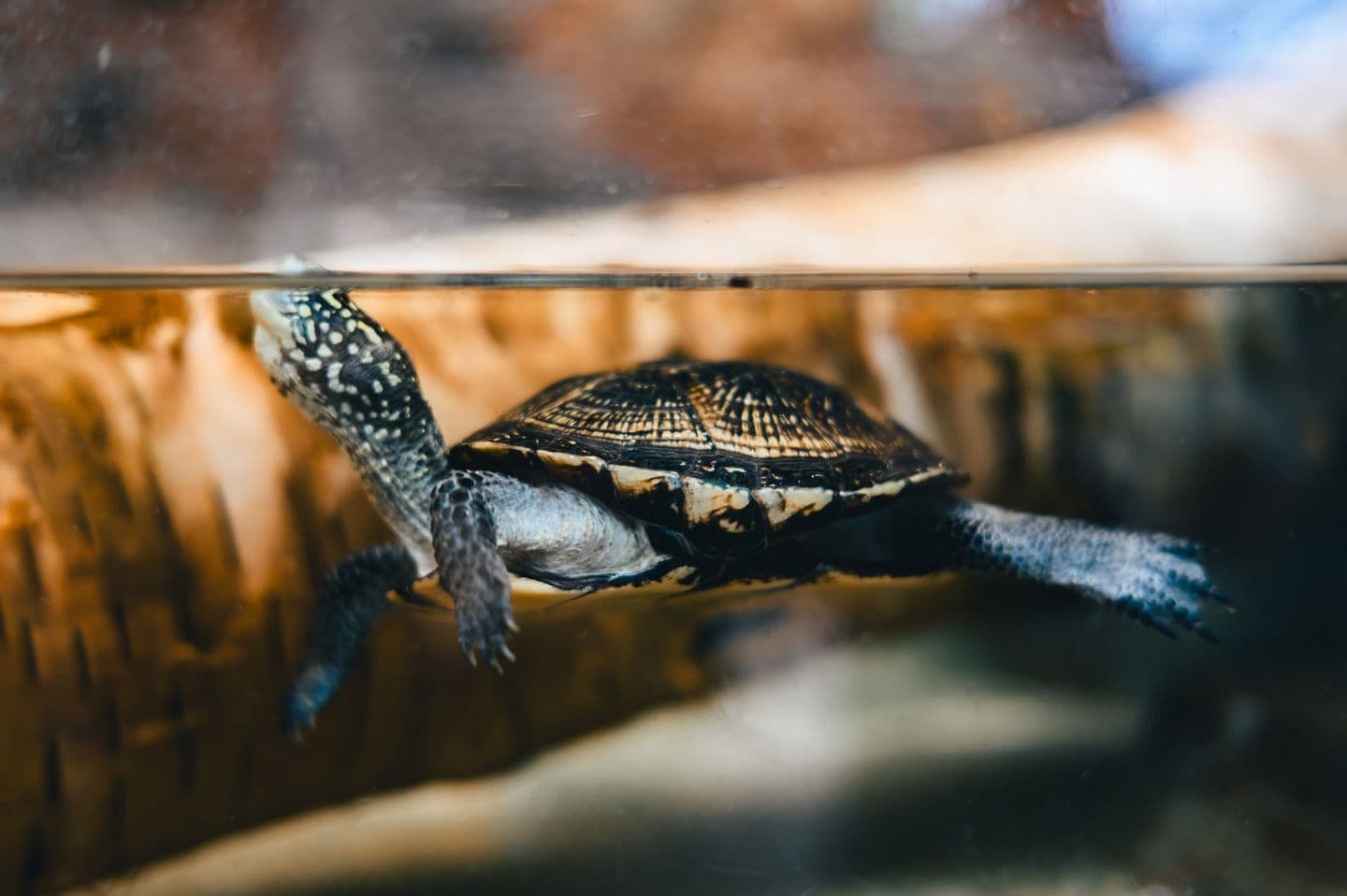
Semi aquatic turtles need a tank with both deep water for swimming and a dry basking platform. They tend to be active, visually striking, and rewarding to watch, but they also produce a fair amount of waste and need strong filtration.
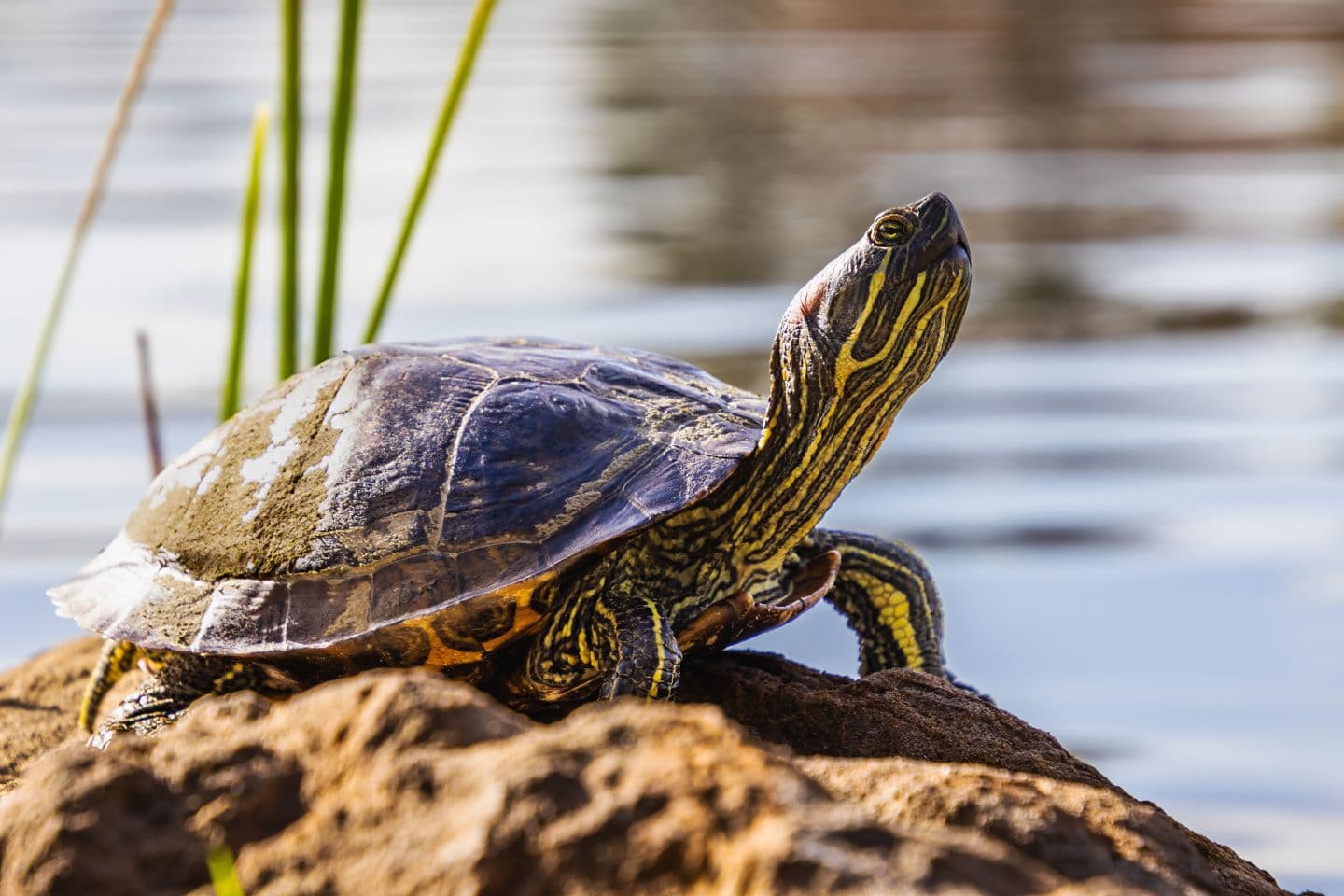
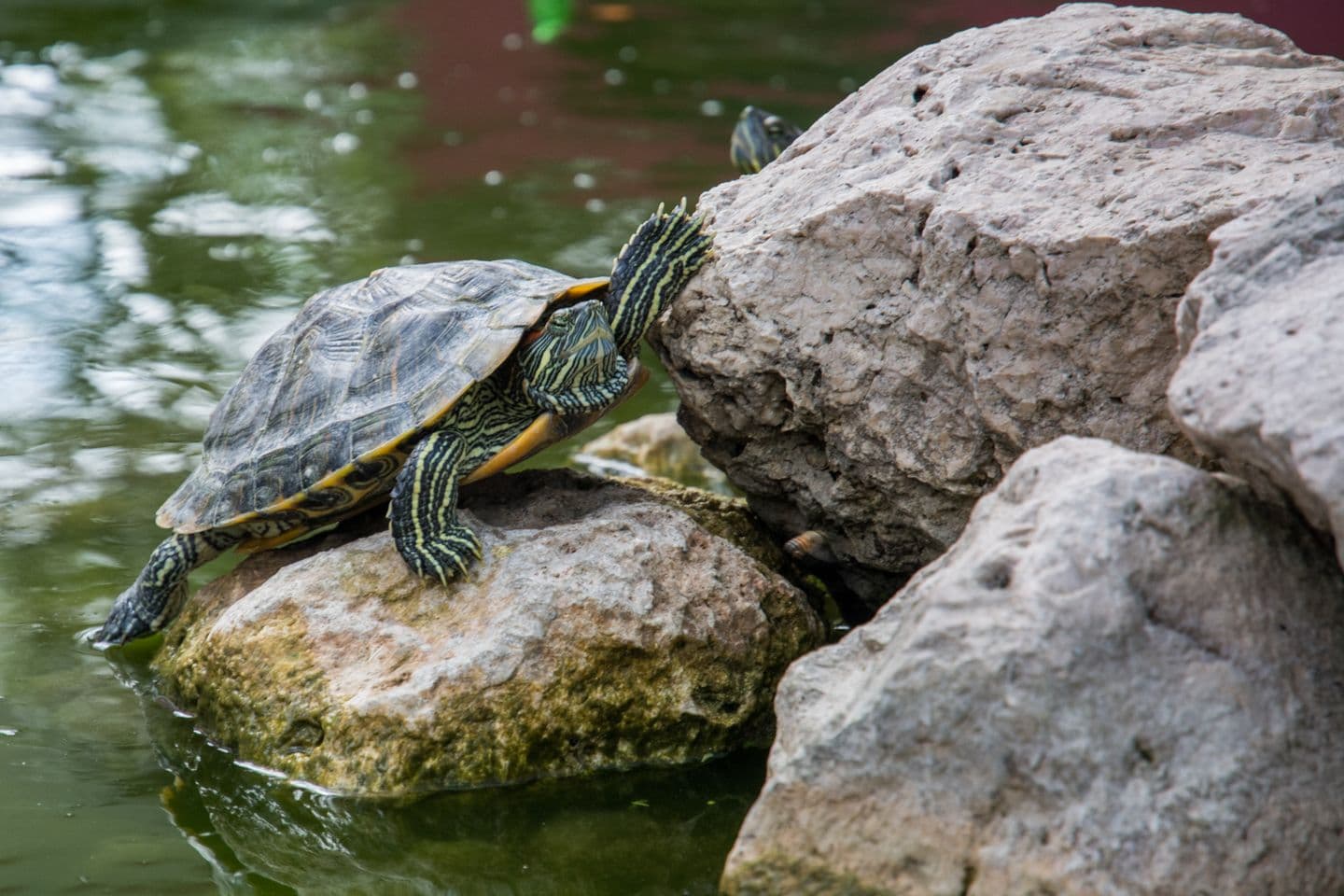
Non native sliders and similar pond turtles, though buyers should check current legal status carefully
African side neck turtles, known for their long necks and calm temperament
Reeves turtles, a smaller and relatively hardy species for those with limited tank space
Land dwelling tortoises suited to Indian conditions
Tortoises do not swim and need dry, well ventilated enclosures with room to roam. Several species tolerate Indian summers well, provided they have shade and fresh water.
Russian tortoises, compact and hardy, a reasonable choice for smaller homes
Red footed tortoises, which appreciate the humidity of coastal and monsoon prone regions
Sulcata and leopard tortoises, both striking but eventually large animals that need serious garden space and a long term plan
A word on native Indian turtles
It can be tempting to rescue a turtle found near a pond or drain and keep it as a pet. Resist this urge. Native species belong in the wild, keeping them is illegal, and a turtle removed from its habitat is often better served by being handed to the nearest forest department or a registered wildlife rescue organisation.
Matching the turtle to your lifestyle
Think honestly about the space, budget, and years you can commit before choosing a species. A small aquatic turtle in a well filtered tank suits an apartment. A sulcata tortoise, which can eventually weigh as much as an adult Labrador, really needs a garden and a family prepared to care for it for half a century or more.
Bringing home a turtle is not like bringing home a goldfish. A well cared for turtle can easily outlast a school career, a job, and sometimes a marriage. Before you buy that little hatchling from a pe
India's climate, warm for much of the year across most regions, makes an outdoor pond a genuinely appealing option for keepers of aquatic turtles. Done well, it offers more space, natural sunlight, an
Turtles look harmless enough to hand to a child, which is exactly why salmonella linked to pet turtles remains a genuine health concern worldwide, including in India. The good news is that the risk is