

Birds / Getting Started
Can Cats and Birds Live Together Safely?
It is possible in many Indian households, but it takes real management, not just hoping for the best.
3 min read
Birds / Behaviour
Once a parrot reaches sexual maturity, it will go through hormonal phases every year, and recognising them saves a lot of confusion about why your usually sweet bird has suddenly turned difficult.
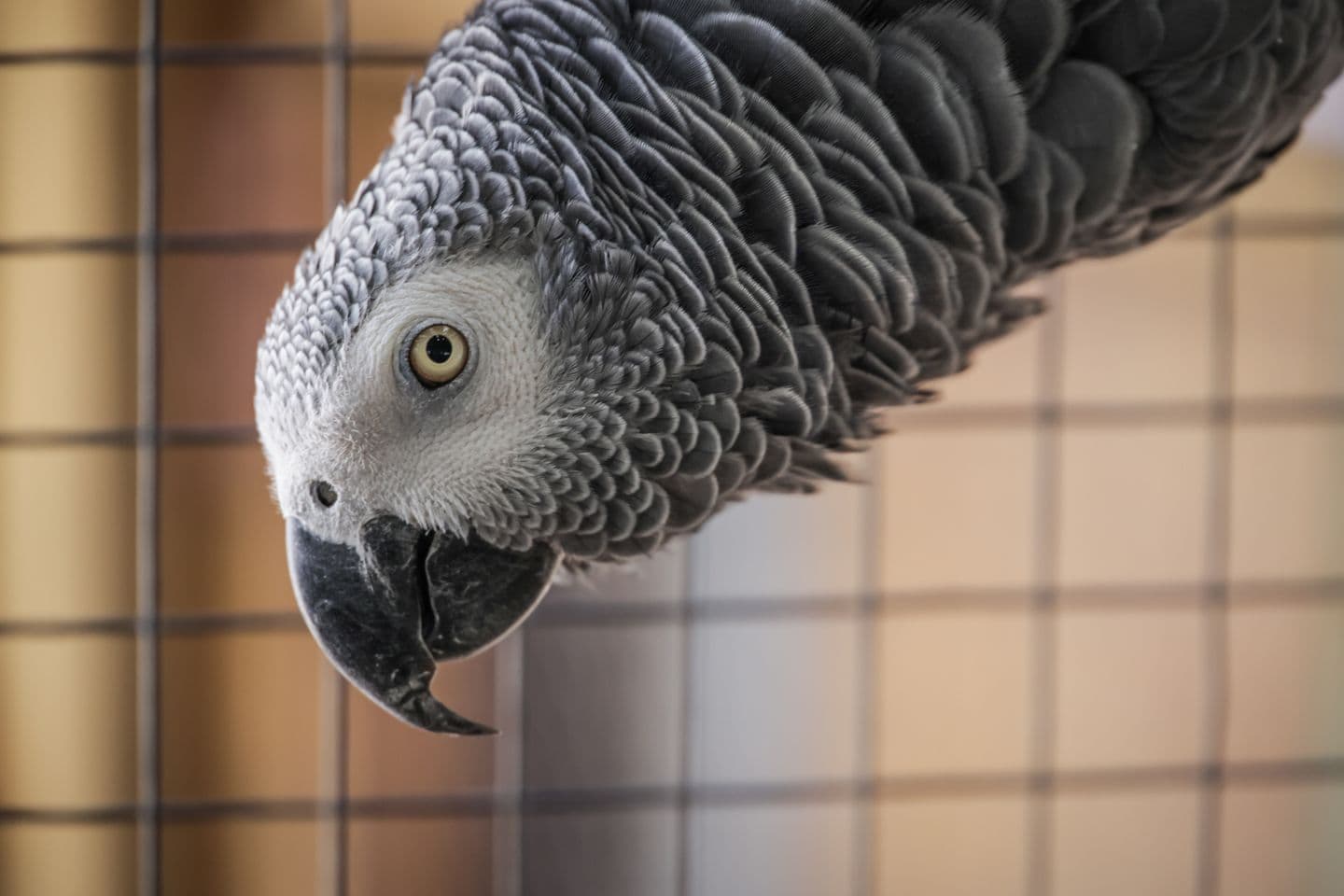
Once a parrot reaches sexual maturity, it will go through hormonal phases every year, and recognising them saves a lot of confusion about why your usually sweet bird has suddenly turned difficult.
Wild parrots time their breeding to seasonal cues such as day length, temperature and food abundance. A pet bird indoors still responds to these same cues, even though it has no mate and nowhere to nest. In much of India, many bird owners notice hormonal shifts building through the warmer pre-monsoon months, though the exact timing varies by species, region and how much artificial light and heat the bird is exposed to indoors.
Smaller birds such as budgies, lovebirds and cockatiels tend to reach sexual maturity earlier and may show hormonal behaviour more than once a year. Larger parrots such as macaws and African greys mature later and may show milder or less frequent hormonal swings.
Hormonal behaviour is completely natural and not a sign that anything is wrong with your bird. With patience and a few environmental changes, most birds settle back into their usual selves once the season passes.
Article content © S Vejay Anand. All rights reserved.
Birds / Getting Started
It is possible in many Indian households, but it takes real management, not just hoping for the best.
3 min read

Birds / Health
From paratyphoid to a lung condition now worrying doctors in Mumbai and Delhi, here is what every pigeon keeper and balcony feeder in India should know.
4 min read

Birds / Getting Started
Almost every Indian home has a money plant trailing along a shelf or a tulsi pot on the balcony. Most owners never think twice about it until their bird takes an interested peck, so it is worth knowin
3 min read