
Birds / Getting Started
Can Cats and Birds Live Together Safely?
It is possible in many Indian households, but it takes real management, not just hoping for the best.
3 min read
Birds / Getting Started
Almost every Indian home has a money plant trailing along a shelf or a tulsi pot on the balcony. Most owners never think twice about it until their bird takes an interested peck, so it is worth knowin
Almost every Indian home has a money plant trailing along a shelf or a tulsi pot on the balcony. Most owners never think twice about it until their bird takes an interested peck, so it is worth knowing which common household plants are genuinely safe and which ones need to be moved out of reach.
Birds are naturally curious and will often nibble on leaves, flowers, and stems out of exploration rather than hunger. A plant that is completely harmless to people and other pets can still cause anything from mild stomach upset to serious poisoning in a bird, so it pays to check before placing a bird's cage near greenery or letting it roam a room full of plants.
Stay calm and act quickly rather than waiting to see if symptoms develop. Remove your bird from the plant immediately, and if possible take a small sample or a clear photo of the plant with you to the vet, since this speeds up identification and treatment considerably. Do not attempt to induce vomiting or give any home remedy without a vet's direct guidance, since some well meaning first aid measures can do more harm than good. Call an avian vet or emergency animal hospital straight away and describe exactly what was eaten and roughly how much, even if your bird seems fine in the moment, since some plant toxins take hours to show visible effects.
Article content © Ravi Teja. All rights reserved.
Birds / Getting Started
It is possible in many Indian households, but it takes real management, not just hoping for the best.
3 min read
Birds / Health
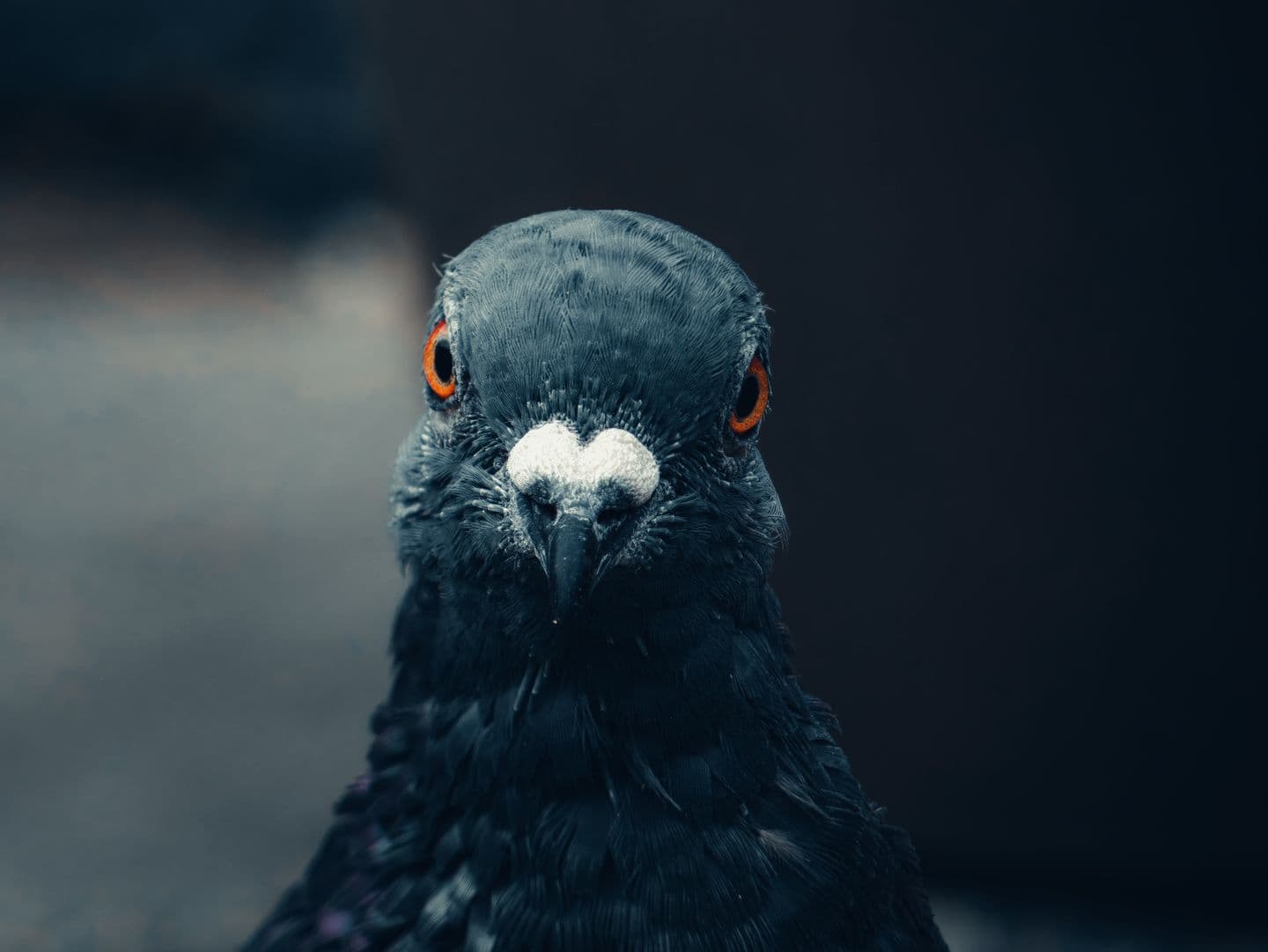
From paratyphoid to a lung condition now worrying doctors in Mumbai and Delhi, here is what every pigeon keeper and balcony feeder in India should know.
4 min read
Birds / Breeds
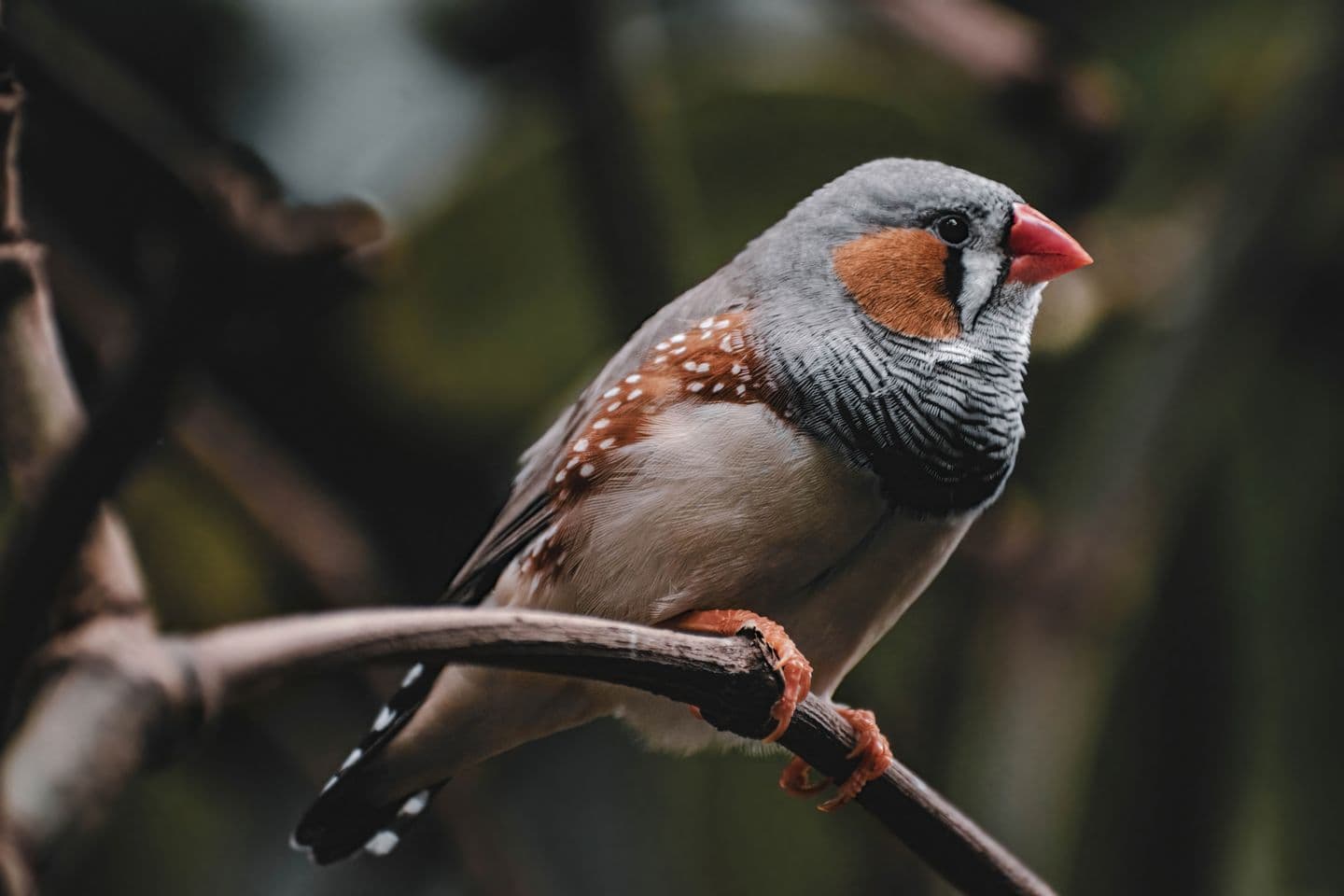
Among the most vividly coloured finches in aviculture, the Gouldian is a delicate, visually spectacular bird with a history shaped by past over-trapping.
3 min read