
Birds / Getting Started
Can Cats and Birds Live Together Safely?
It is possible in many Indian households, but it takes real management, not just hoping for the best.
3 min read
Birds / Health
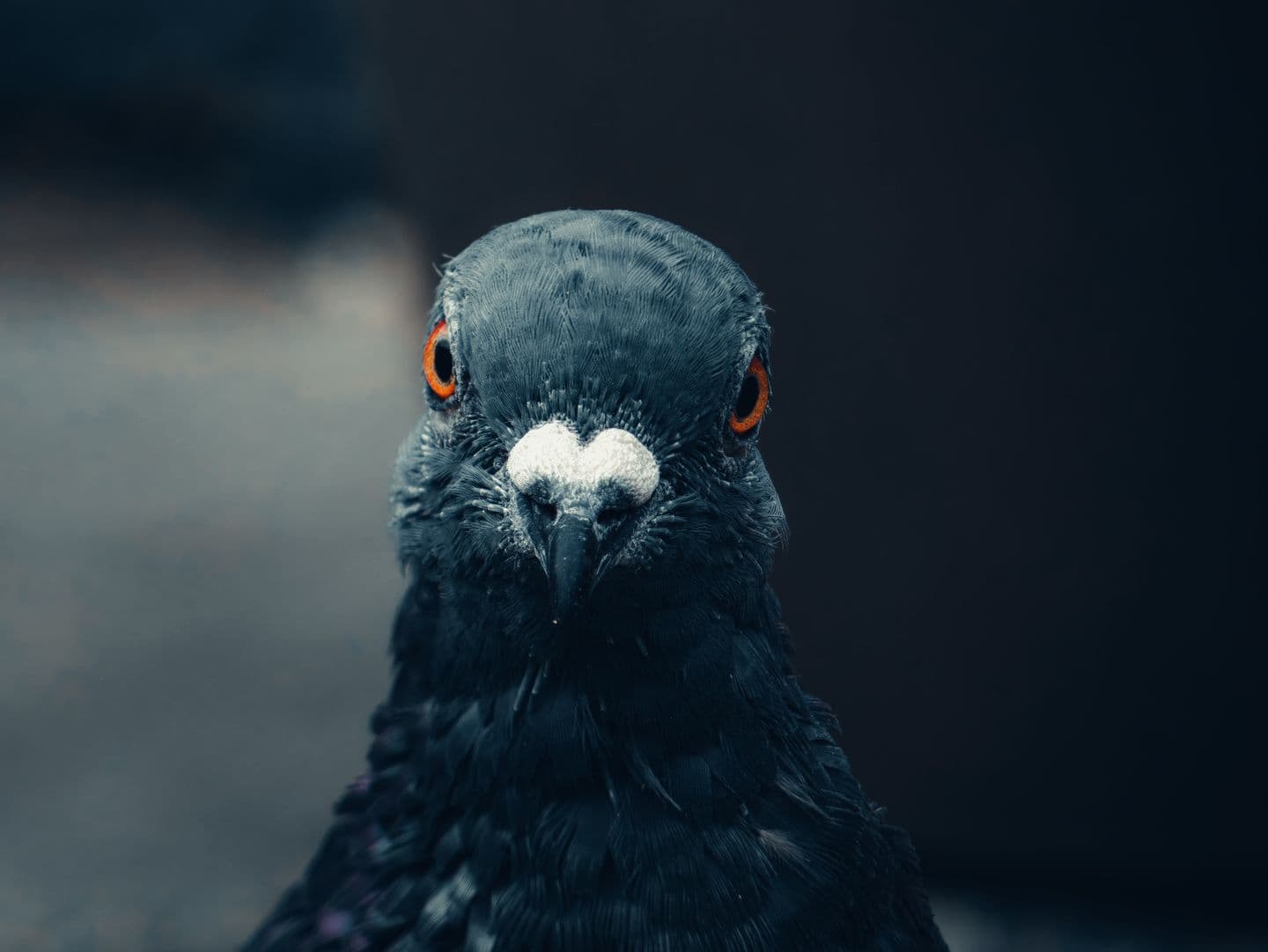
From paratyphoid to a lung condition now worrying doctors in Mumbai and Delhi, here is what every pigeon keeper and balcony feeder in India should know.
From paratyphoid to a lung condition now worrying doctors in Mumbai and Delhi, here is what every pigeon keeper and balcony feeder in India should know.
Pigeons are everywhere in Indian cities, and a sizeable community of fanciers keeps them deliberately, from racing lofts to rooftop pigeon-keeping traditions that go back generations. Whether you keep pigeons yourself or simply feed the ones that gather on your balcony, understanding what makes them sick, and what their droppings can do to you, matters more than most people realise.
Most of these conditions spread fastest in dirty, overcrowded lofts. Daily cleaning of droppings, clean water changed at least once a day and a two-week isolation period for any new bird before it joins an existing flock will prevent the majority of outbreaks.
Separate from disease in the birds themselves is a growing concern for the people around them. Pulmonologists in Mumbai have reported a sharp rise in cases of hypersensitivity pneumonitis, also called bird fancier's lung or pigeon breeder's lung, an immune reaction triggered by repeatedly inhaling dust from dried pigeon droppings and feathers. Doctors in Delhi have raised the same alarm, pointing to the combination of a growing pigeon population, dense housing and poor air quality as a particularly dangerous mix. Left unaddressed, the condition can progress to permanent lung scarring.
You do not need to breed or handle pigeons to be at risk. Anyone who regularly cleans droppings off a balcony, air-conditioner unit or window ledge without a mask, or who feeds pigeons daily at close range for years, is in the exposure category doctors are describing. A persistent dry cough or breathlessness that does not improve, especially in someone who feeds or keeps pigeons regularly, is worth mentioning to a doctor rather than dismissing as a seasonal allergy.
Separate from hypersensitivity pneumonitis is psittacosis, a bacterial infection caused by Chlamydia psittaci that pigeons and doves can carry and pass to people, usually by inhaling dust from dried droppings or respiratory secretions. An infected pigeon often shows no obvious symptoms at all, which is what makes this risk easy to overlook. In people, psittacosis typically appears five to fourteen days after exposure as a sudden fever, headache, chills and a dry cough, sometimes progressing to pneumonia if untreated. It responds well to the right antibiotics once diagnosed, but it is frequently missed because doctors do not always think to ask about bird exposure when a patient presents with what looks like a routine chest infection. The same precautions that reduce pneumonitis risk, masking up during cleaning, good loft ventilation and prompt removal of droppings, also reduce psittacosis risk, and it is worth mentioning both pigeon exposure and any recent respiratory symptoms together if you end up seeing a doctor.
Article content © Ravi Teja. All rights reserved.
Birds / Getting Started
It is possible in many Indian households, but it takes real management, not just hoping for the best.
3 min read
Birds / Getting Started
Almost every Indian home has a money plant trailing along a shelf or a tulsi pot on the balcony. Most owners never think twice about it until their bird takes an interested peck, so it is worth knowin
3 min read
Birds / Breeds
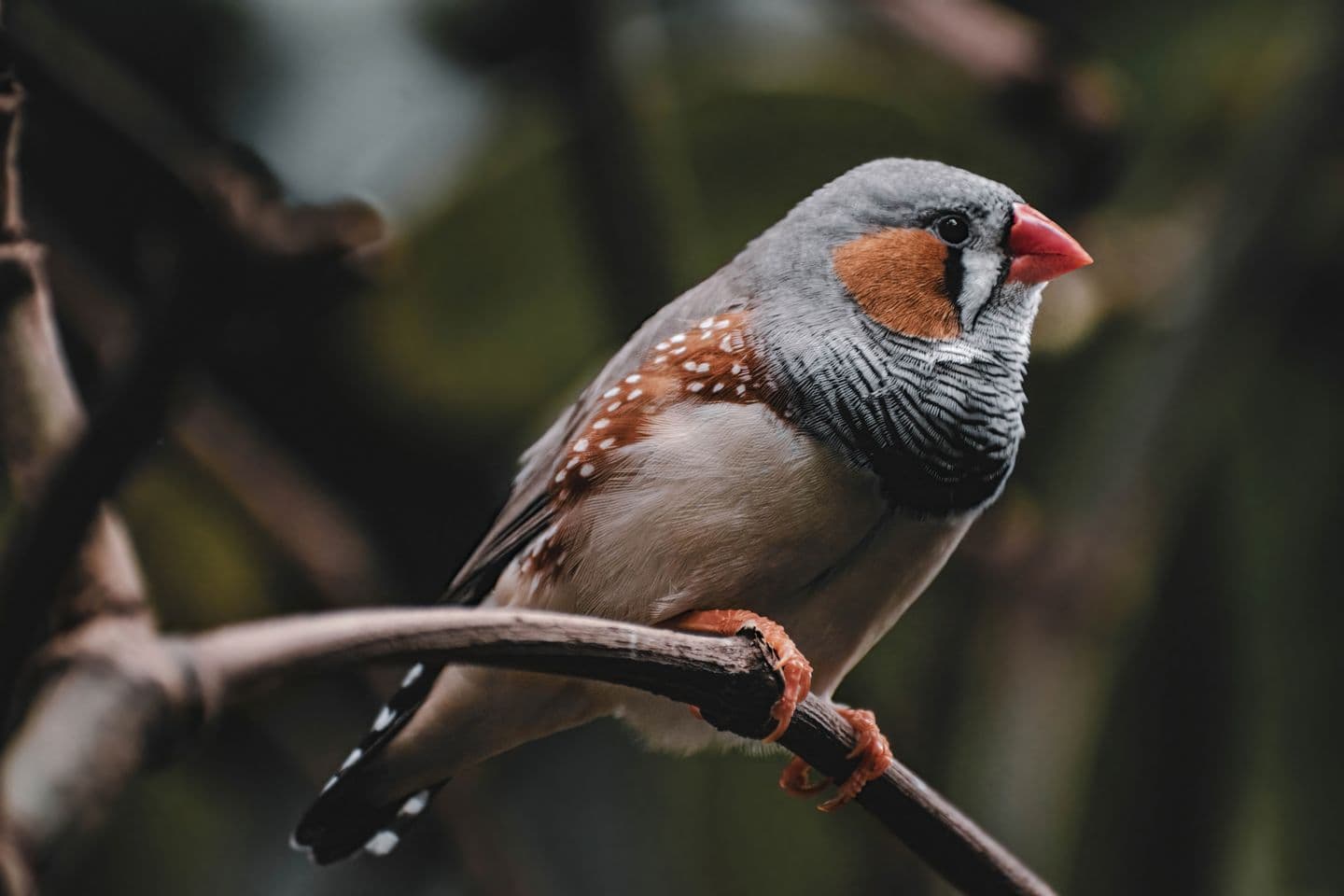
Among the most vividly coloured finches in aviculture, the Gouldian is a delicate, visually spectacular bird with a history shaped by past over-trapping.
3 min read