
Birds / Getting Started
Can Cats and Birds Live Together Safely?
It is possible in many Indian households, but it takes real management, not just hoping for the best.
3 min read
Birds / Breeds
Widely considered the most cognitively gifted of all pet parrots, and, in India, one of the most legally fraught to acquire responsibly.
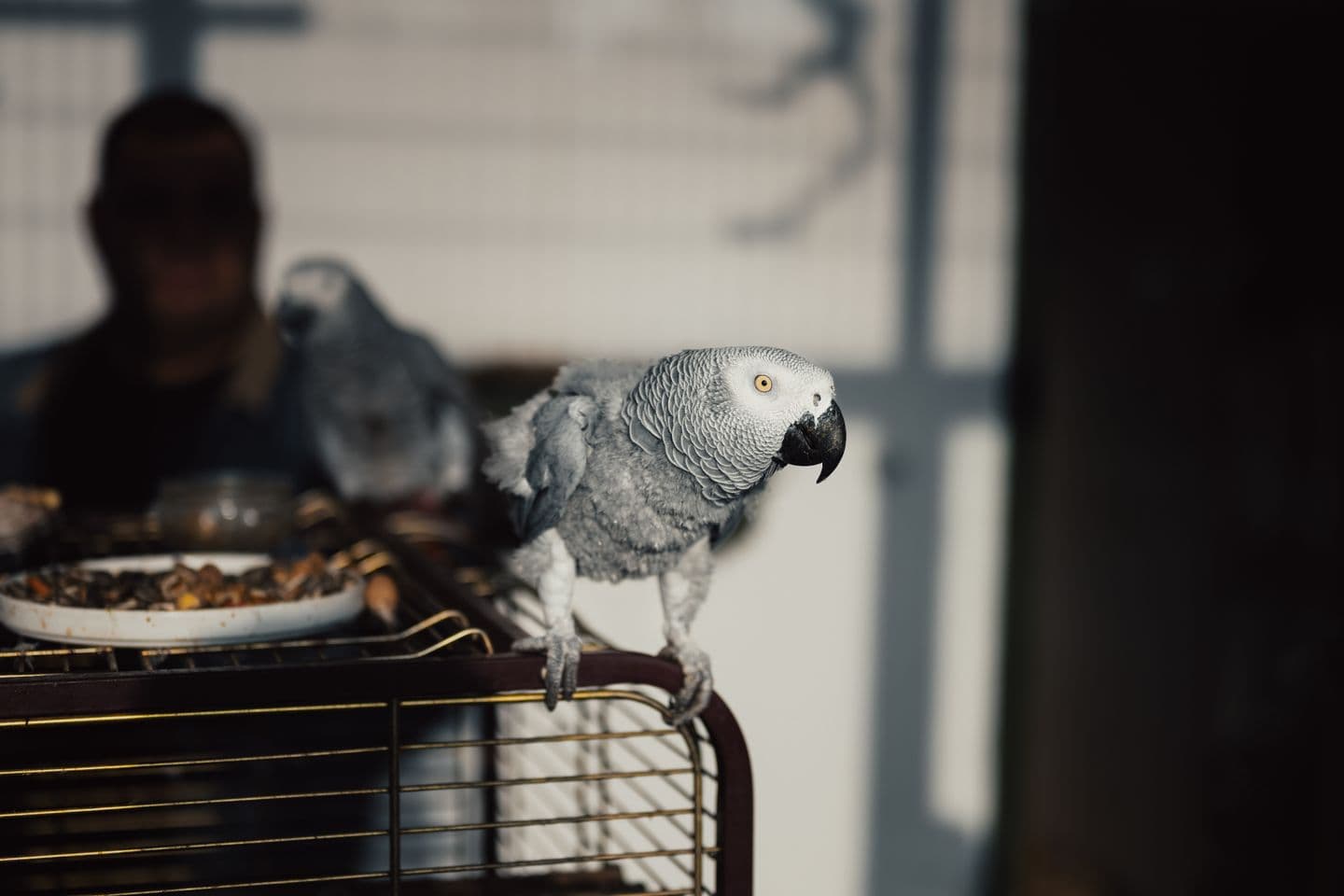
Widely considered the most cognitively gifted of all pet parrots, and, in India, one of the most legally fraught to acquire responsibly.
The African grey parrot's reputation as the most intelligent talking bird in the world is well earned. Research on African greys, most famously the decades-long study of a bird named Alex, has shown genuine contextual understanding of concepts like colour, shape and quantity, not just mimicry. That same fame has made it one of the most heavily trafficked parrot species on earth, and understanding its legal situation in India is essential before considering one.
The African grey is listed on Appendix I of CITES, the strictest international protection category, reserved for species threatened with extinction, following its 2016 uplisting in response to the scale of capture for the pet trade. It is classified as Endangered by the IUCN. In India, the species also falls under Schedule IV of the Wildlife Protection Act following the 2022 amendments, and owning or breeding one legally requires registration through the government's exotic species portal. Investigations by journalists using Right to Information requests have found that despite these requirements, African greys remain easily available in pet markets across multiple Indian states, with almost no state holding proper records of registered breeders or authorised sellers, strongly suggesting the majority of the domestic supply is unregistered or illegally sourced. Anyone seriously considering this species should treat the near-total absence of verifiable legal supply as a central part of the decision, not a minor administrative detail.
African greys are medium-sized, grey-plumaged parrots with a bright red tail in the Congo subspecies and a darker maroon tail in the smaller Timneh subspecies. They are highly intelligent, emotionally sensitive, and known for forming deep, sometimes singularly focused bonds with one person in the household. Without consistent mental stimulation, African greys are particularly prone to feather plucking and other stress-related behaviours, more so than many other parrot species.
A diet built on quality large-parrot pellets, supplemented with fresh vegetables, limited fruit, nuts in moderation and occasional legumes, supports this species' long-term health well. Calcium and vitamin D adequacy is a particular consideration for this species given a known susceptibility to calcium deficiency.
African greys need a large cage, substantial daily mental stimulation through foraging toys and training, and consistent social interaction, given how strongly this species bonds to its people. Boredom and social neglect show up quickly and visibly in this species compared to some others.
African greys commonly live 40 to 60 years in captivity with excellent care, occasionally longer, making this one of the longest-lived commonly kept parrots and a commitment that will very likely outlast the original owner's active caregiving years.
Article content © S Vejay Anand. All rights reserved.
Birds / Getting Started
It is possible in many Indian households, but it takes real management, not just hoping for the best.
3 min read
Birds / Health
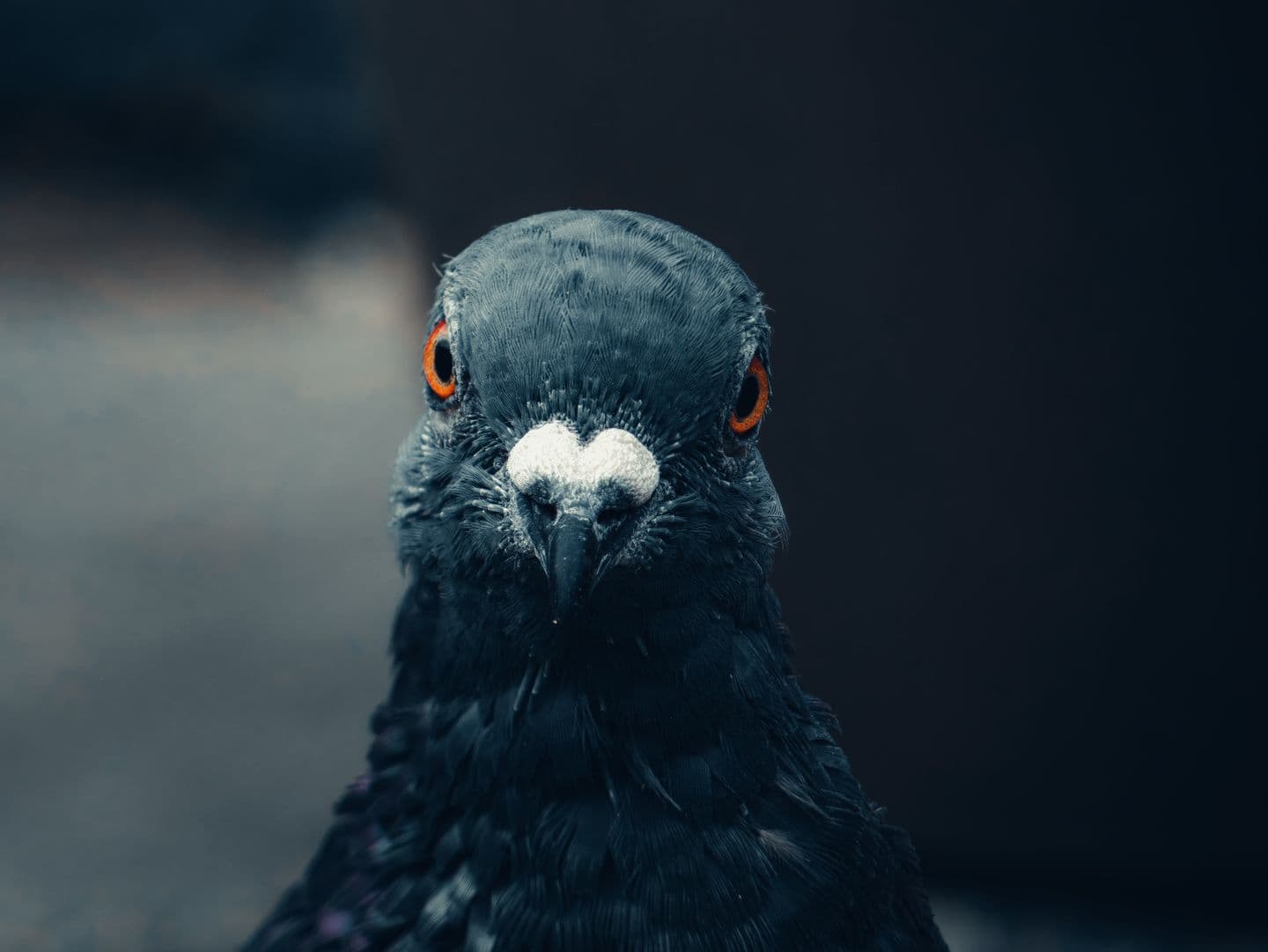
From paratyphoid to a lung condition now worrying doctors in Mumbai and Delhi, here is what every pigeon keeper and balcony feeder in India should know.
4 min read
Birds / Getting Started
Almost every Indian home has a money plant trailing along a shelf or a tulsi pot on the balcony. Most owners never think twice about it until their bird takes an interested peck, so it is worth knowin
3 min read