

Birds / Getting Started
Can Cats and Birds Live Together Safely?
It is possible in many Indian households, but it takes real management, not just hoping for the best.
3 min read
Birds / Breeds
Larger, deeper-voiced and steadier than its ringneck cousin, the Alexandrine parakeet carries centuries of history and, in India, a legal status every bit as complicated.
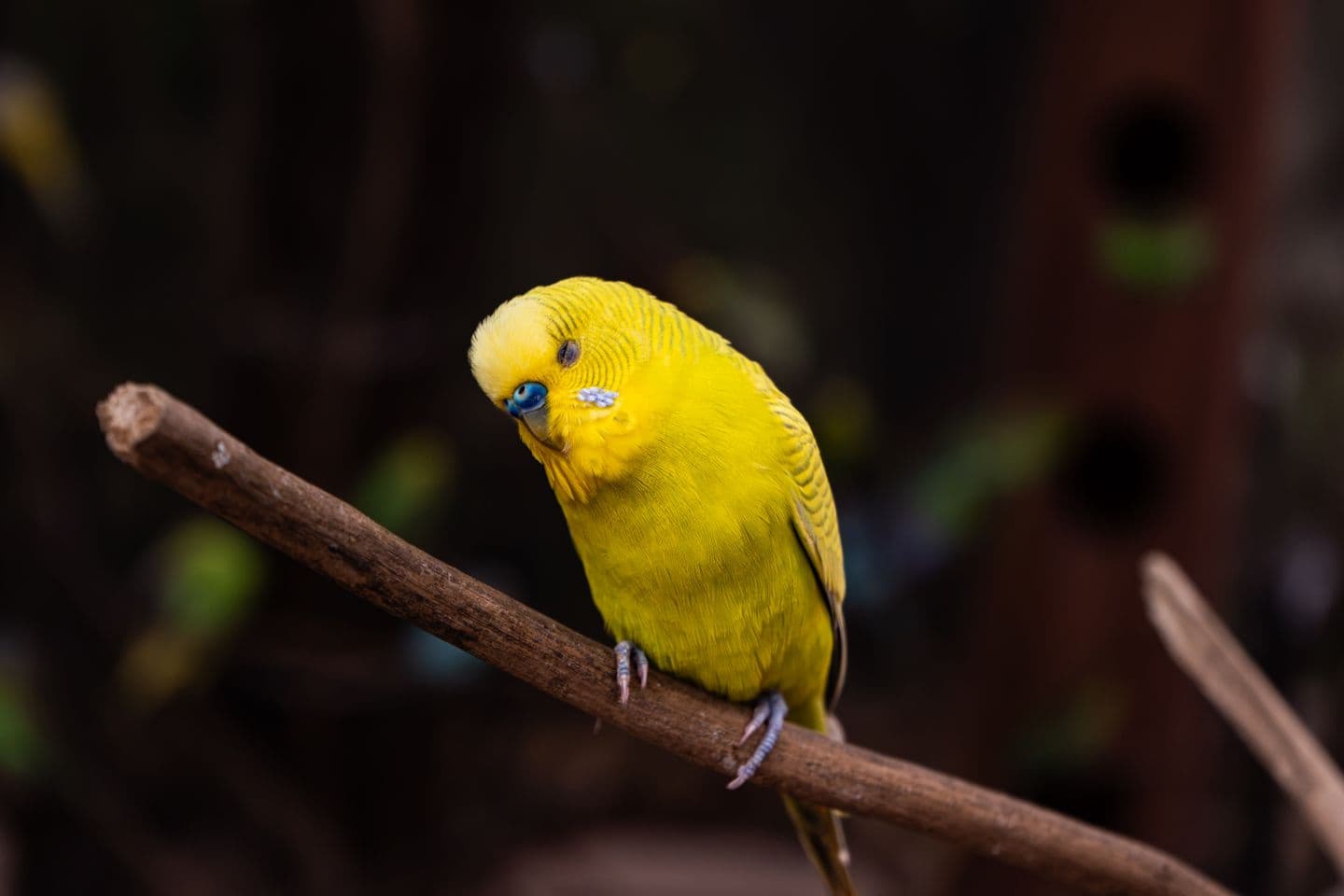
Larger, deeper-voiced and steadier than its ringneck cousin, the Alexandrine parakeet carries centuries of history and, in India, a legal status every bit as complicated.
Named after Alexander the Great, who is credited with bringing the species west from the Indian subcontinent in the fourth century BC, the Alexandrine parakeet has one of the longest documented histories of any bird kept in captivity anywhere in the world. In India today, it remains a striking and sought-after companion bird, and also one whose legal position deserves serious attention before bringing one home.
The Alexandrine parakeet is native to the Indian subcontinent and is protected under the Wildlife Protection Act, 1972. Sources differ on exactly which Schedule applies, with some placing it under Schedule IV alongside other native parakeets and others citing Schedule I, the strictest protection category, reflecting the species' Near Threatened status and steep population decline from habitat loss and capture for the pet trade. Whichever specific schedule applies in practice, the direction of the law is unambiguous: wild capture and unlicensed trade are illegal, and this is, if anything, a more seriously protected species than the rose-ringed parakeet discussed elsewhere in this series, not a less protected one. Anyone drawn to this bird should treat that legal reality as a genuine factor in the decision, not a technicality to work around.
At around 58 centimetres including its long tail, the Alexandrine is considerably larger and heavier than an Indian Ringneck, with a deep emerald body, a maroon shoulder patch and, in mature males, a black and pink neck ring. Its voice is deeper and its temperament noticeably steadier than the ringneck's, with owners often describing the bond as slower to form but stronger once established. Alexandrines are intelligent, strong-beaked and capable talkers, typically developing vocabularies in the tens of words with a clear, slightly nasal tone.
A balanced diet of quality pellets, fresh vegetables, leafy greens, sprouted grains and limited fruit suits this species well, with particular attention to protein and calcium given its size and long lifespan. Seeds should be a minor supplement rather than the core of the diet.
This is a large, powerful bird that needs a genuinely spacious cage, ideally with room for a play stand alongside it, and daily flight or exercise time. Its strong beak means any wooden housing or perches need to be robust, since Alexandrines are capable of gnawing through wood far faster than smaller parakeets.
Alexandrine parakeets commonly live 25 to 30 years in captivity, with some sources citing up to 40 years given excellent care, making this one of the longer-lived commonly kept parakeets.
The two are frequently confused, particularly by new owners, since both are green with a neck ring on mature males. The clearest distinguishing feature is size: an Alexandrine is noticeably larger and heavier-bodied than a Ringneck, with a visibly bigger, more powerful red beak. The maroon shoulder patch on an Alexandrine's wing is the single most reliable field mark, since Ringnecks do not have it at all. Voice is another giveaway, with the Alexandrine's calls being deeper and more resonant than the higher-pitched Ringneck. Given that the two species also differ somewhat in their legal protection level, correctly identifying which bird you actually have, ideally confirmed by an avian vet or experienced aviculturist rather than guessed from a photo, matters beyond simple curiosity.
Article content © Ravi Teja. All rights reserved.
Birds / Getting Started
It is possible in many Indian households, but it takes real management, not just hoping for the best.
3 min read

Birds / Health
From paratyphoid to a lung condition now worrying doctors in Mumbai and Delhi, here is what every pigeon keeper and balcony feeder in India should know.
4 min read

Birds / Getting Started
Almost every Indian home has a money plant trailing along a shelf or a tulsi pot on the balcony. Most owners never think twice about it until their bird takes an interested peck, so it is worth knowin
3 min read