
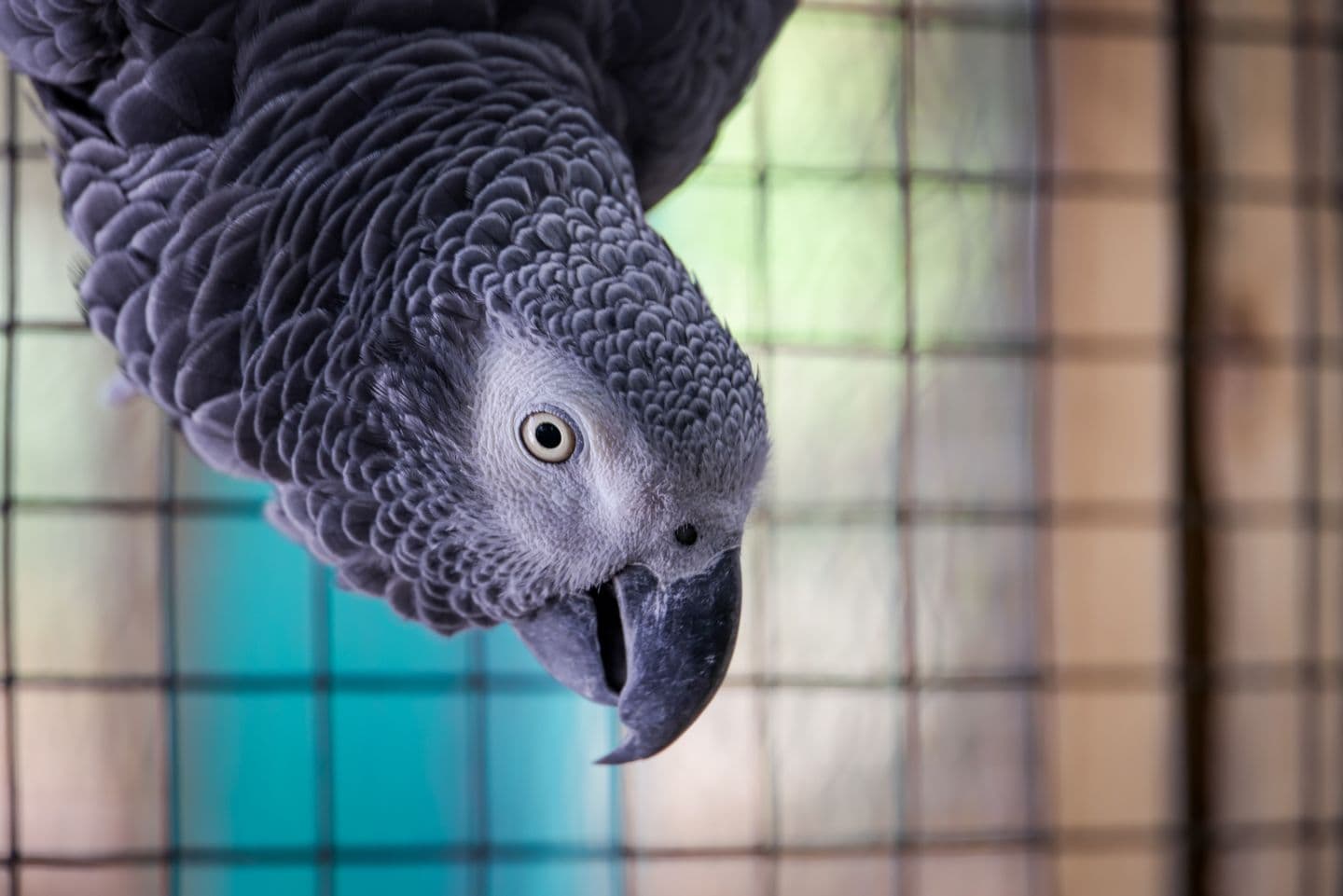
Birds / Getting Started
Can Cats and Birds Live Together Safely?
It is possible in many Indian households, but it takes real management, not just hoping for the best.
3 min read
Birds / Breeds
Boisterous, brilliant and endlessly entertaining, Amazon parrots are the self-appointed life of the party among pet birds, and they want you to know it.
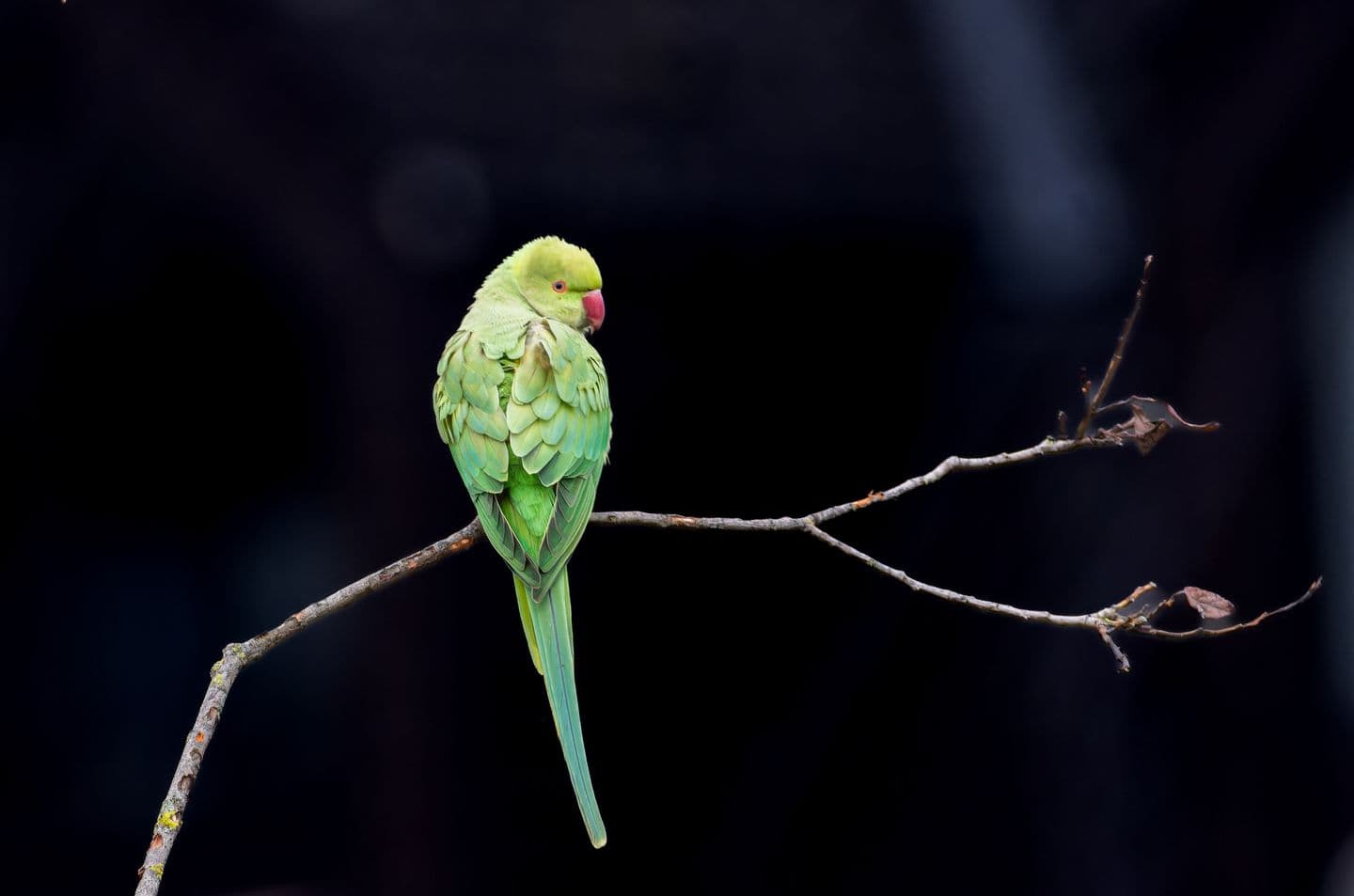
Boisterous, brilliant and endlessly entertaining, Amazon parrots are the self-appointed life of the party among pet birds, and they want you to know it.
The Amazon parrot genus covers around 30 species, most of them predominantly green with striking markings that vary by species, and nearly all of them sharing a reputation for being comical, outgoing, and unapologetically the centre of attention. This overview covers what is broadly true across the genus, since the individually named species within it are not separately listed in this series.
Amazon parrots are highly social, intelligent and vocal, with a well-earned reputation as excellent talkers and mimics, often developing large vocabularies with clear, expressive delivery. They can also be genuinely moody, with distinct good days and difficult days that experienced owners learn to read and work around, and hormonal periods that can bring out a sharper, more assertive side even in a normally affectionate bird.
A diet built on quality large-parrot pellets, fresh fruit and vegetables, and daily exercise is essential, since Amazons are prone to obesity and fatty liver disease when kept on a rich, low-activity lifestyle.
Amazons need a spacious cage, daily out-of-cage time and consistent social interaction, thriving on attention and generally doing well paired with a compatible mate if the owner cannot provide hours of daily company alone. Their noise level is significant, with loud calling especially likely around dawn and dusk, making this a poor fit for close-quarters apartment living.
Amazon parrots are exceptionally long-lived, typically reaching 30 to 60 years in captivity with good care, occasionally more, placing them firmly in the same multi-decade commitment category as African greys and macaws.
As with the African grey covered elsewhere in this series, Amazon parrots are non-native exotic birds and several species within the genus are CITES-listed, with conservation status varying considerably from species to species: some are of least concern while others, such as certain island-restricted Amazons, are endangered. Customs and wildlife trade surveys have specifically flagged Amazon parrots, alongside macaws and cockatoos, among the exotic species most frequently seized at Indian ports and airports, pointing to a meaningful illegal supply alongside the legal one. As with any exotic parrot species, sourcing from a documented, registered breeder rather than an unverified seller is the only way to have any real confidence in a bird's legal origin.
Article content © S Vejay Anand. All rights reserved.
Birds / Getting Started
It is possible in many Indian households, but it takes real management, not just hoping for the best.
3 min read
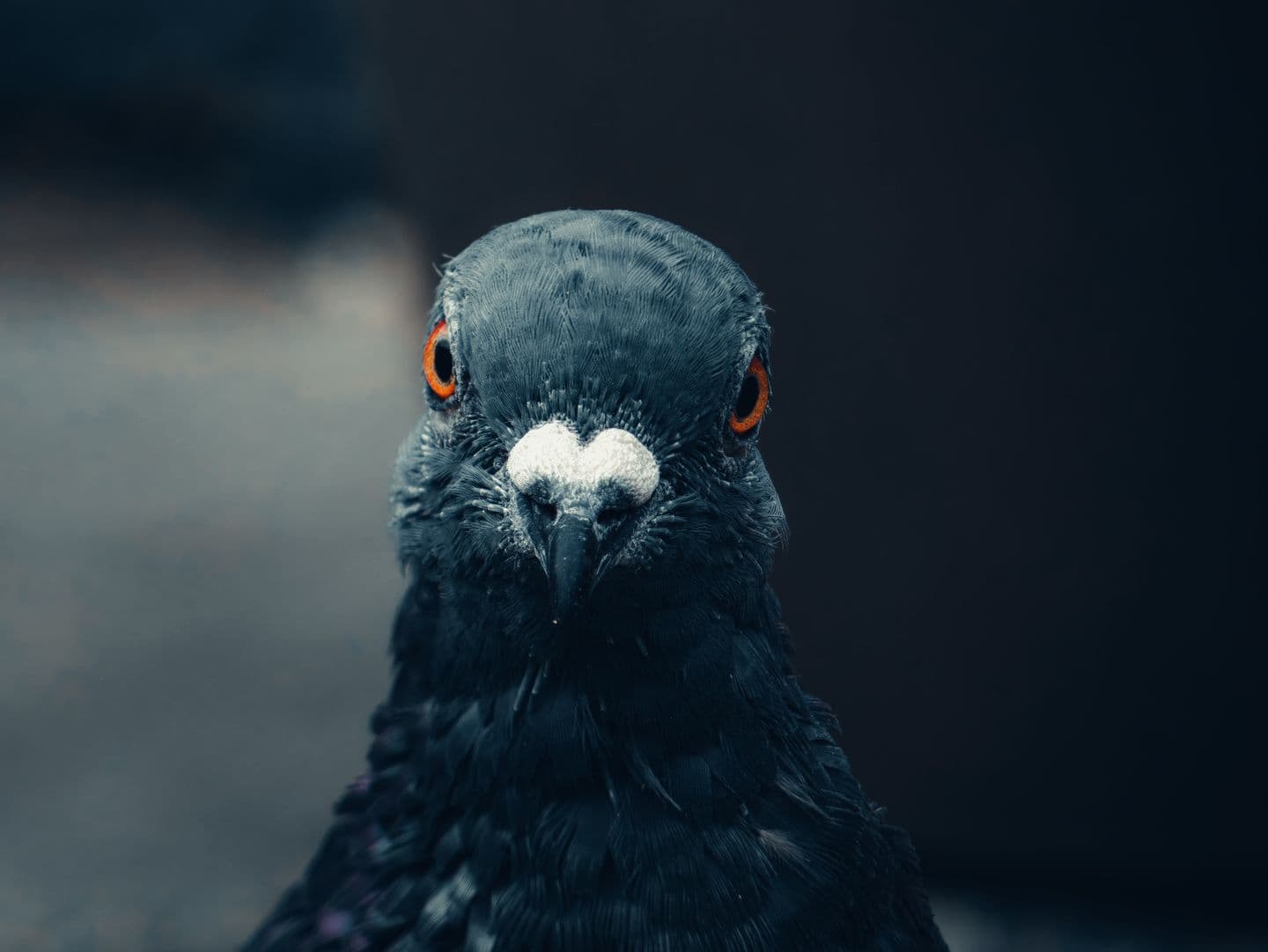
Birds / Health
From paratyphoid to a lung condition now worrying doctors in Mumbai and Delhi, here is what every pigeon keeper and balcony feeder in India should know.
4 min read
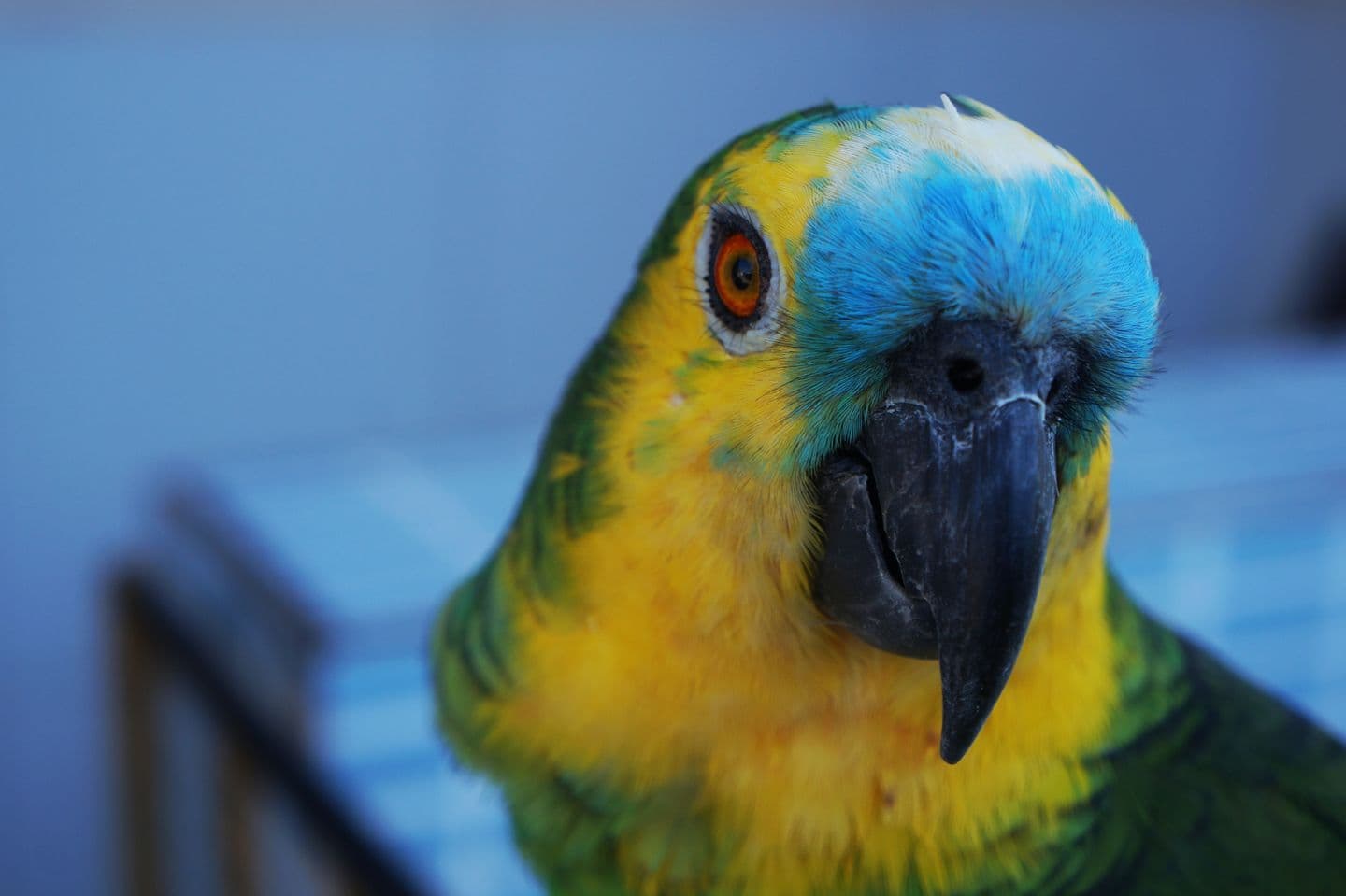
Birds / Getting Started
Almost every Indian home has a money plant trailing along a shelf or a tulsi pot on the balcony. Most owners never think twice about it until their bird takes an interested peck, so it is worth knowin
3 min read