
Birds / Getting Started
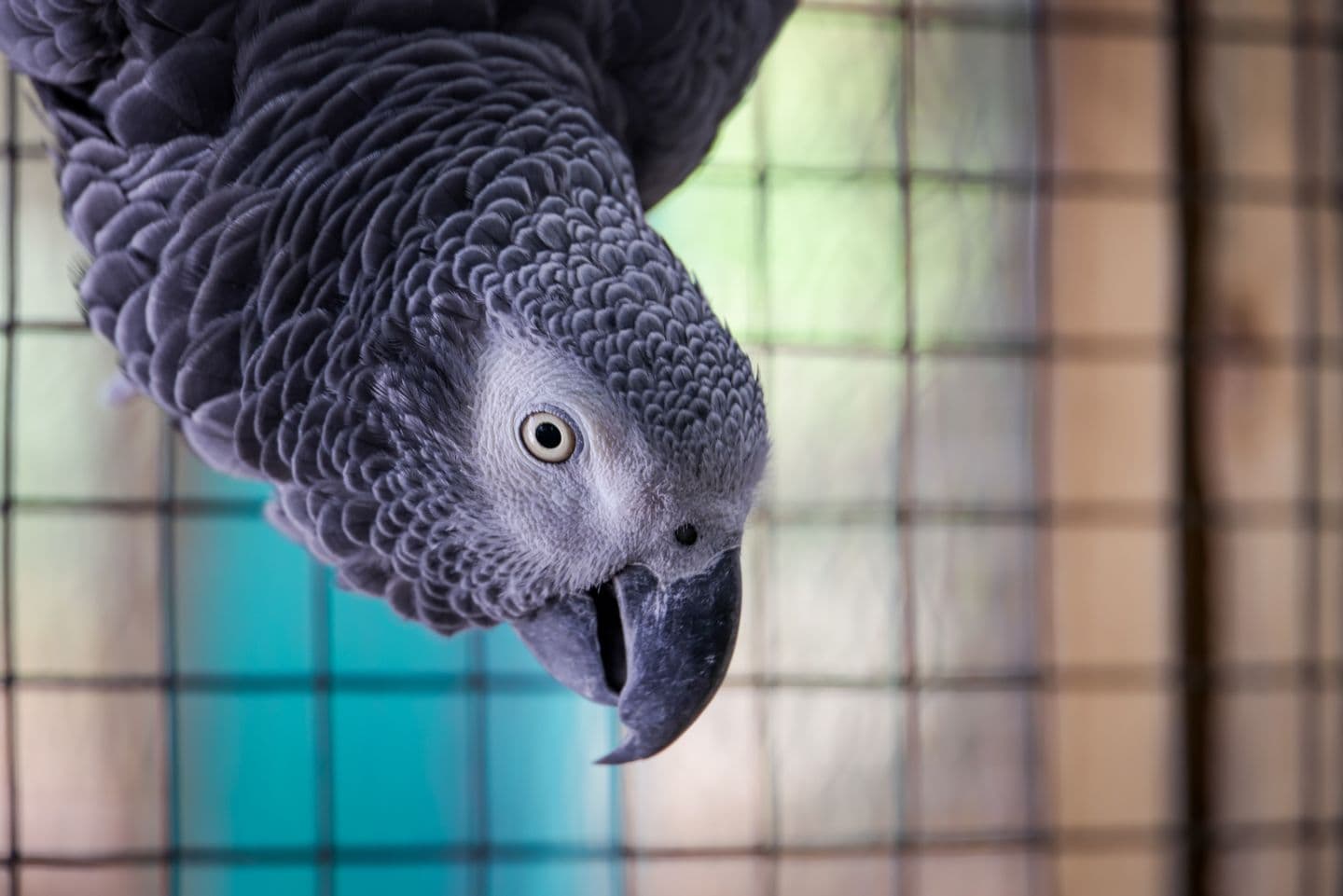
Can Cats and Birds Live Together Safely?
It is possible in many Indian households, but it takes real management, not just hoping for the best.
3 min read
Birds / Breeds
Some birds pick up tricks and commands with startling speed. Others need much more patience. Here is how the popular pet species compare.
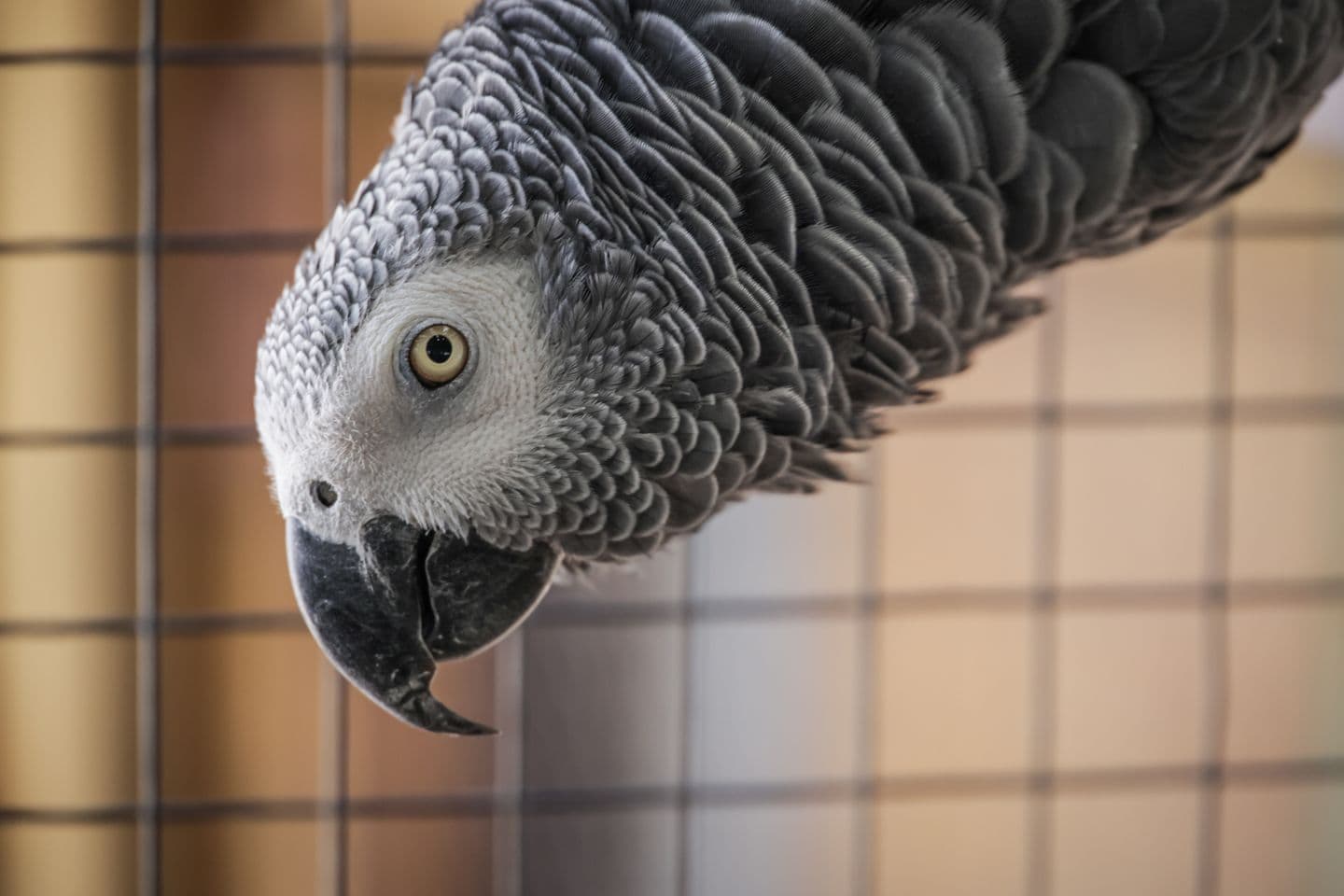
Some birds pick up tricks and commands with startling speed. Others need much more patience. Here is how the popular pet species compare.
Training a bird is not just about teaching it tricks for entertainment, it is one of the most effective tools for building trust, giving a bird mental stimulation, and preventing many of the behaviour problems that come from boredom. Some species take to training far more readily than others, largely because of how intelligent and food or attention motivated they naturally are.
Finches, canaries and most doves are not naturally food or attention motivated toward training the way parrots are, and are best appreciated for their natural behaviour rather than expected to learn commands. This is not a reflection of intelligence, simply a difference in what these species are wired to respond to.
Short sessions of five to ten minutes, done consistently rather than occasionally, work far better than long irregular sessions. Positive reinforcement using a favourite treat or praise, timed to the exact moment the bird does the desired behaviour, builds trust and speeds up learning considerably faster than any form of correction or punishment, which tends to make birds fearful and less responsive rather than better trained.
Nearly every trainable bird responds well to target training, where the bird learns to touch its beak to a stick or your finger in exchange for a reward. This single skill becomes the foundation for teaching a bird to step up reliably, move to a specific perch, or follow a sequence of more complex tricks later, and is usually the best first exercise for a new bird owner to try.
Article content © Ravi Teja. All rights reserved.
Birds / Getting Started
It is possible in many Indian households, but it takes real management, not just hoping for the best.
3 min read
Birds / Health
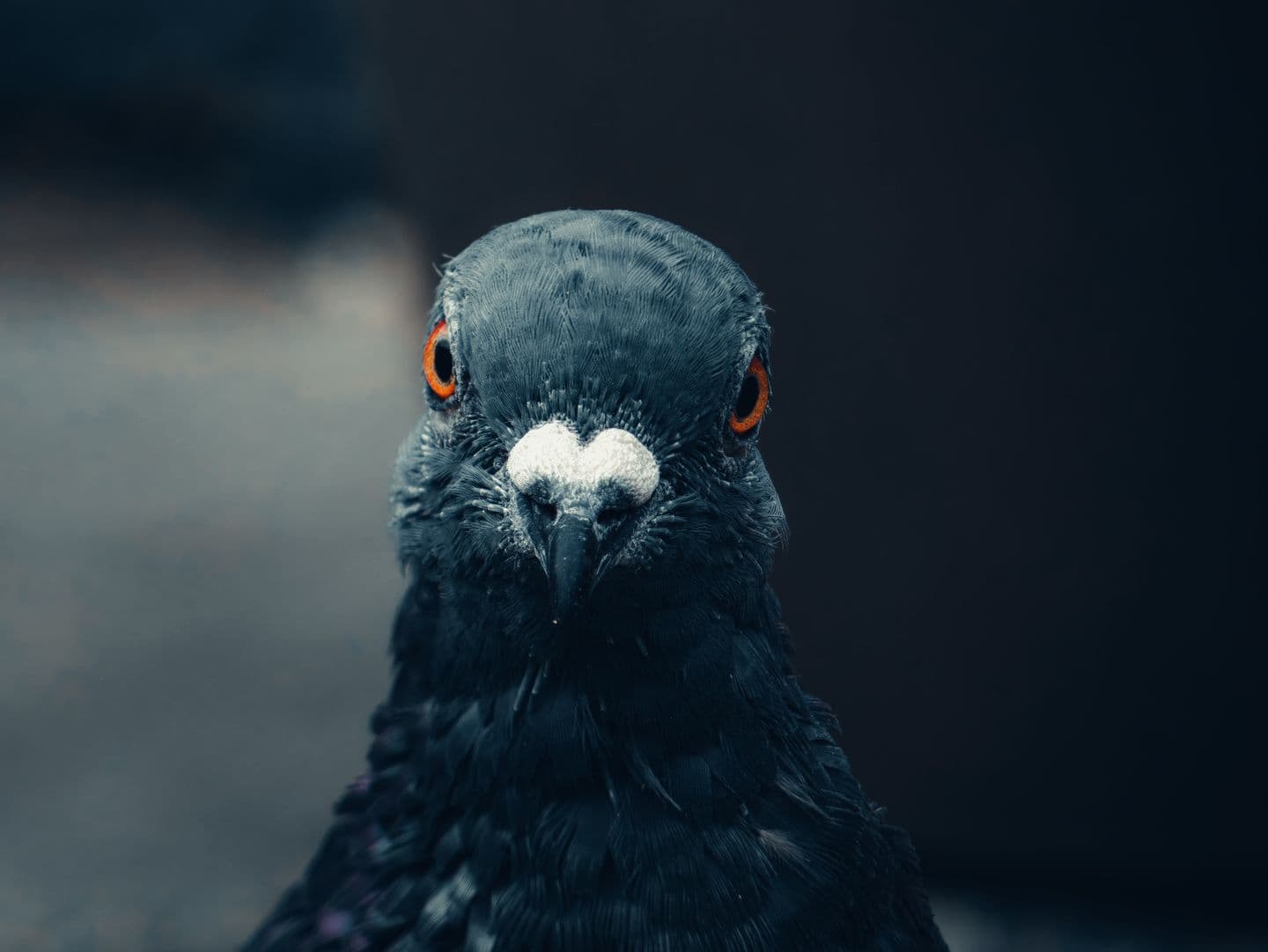
From paratyphoid to a lung condition now worrying doctors in Mumbai and Delhi, here is what every pigeon keeper and balcony feeder in India should know.
4 min read
Birds / Getting Started
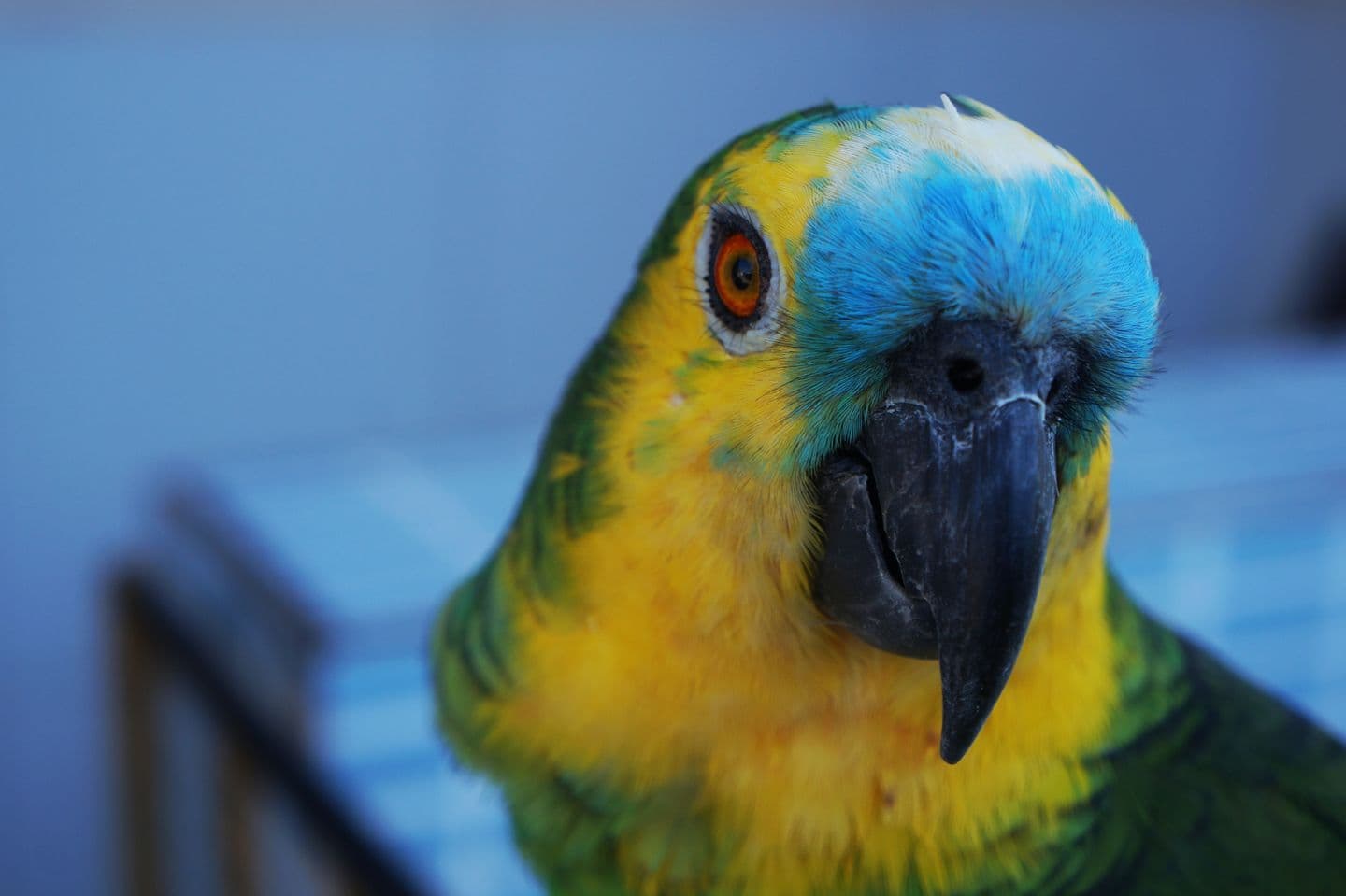
Almost every Indian home has a money plant trailing along a shelf or a tulsi pot on the balcony. Most owners never think twice about it until their bird takes an interested peck, so it is worth knowin
3 min read