
Birds / Getting Started
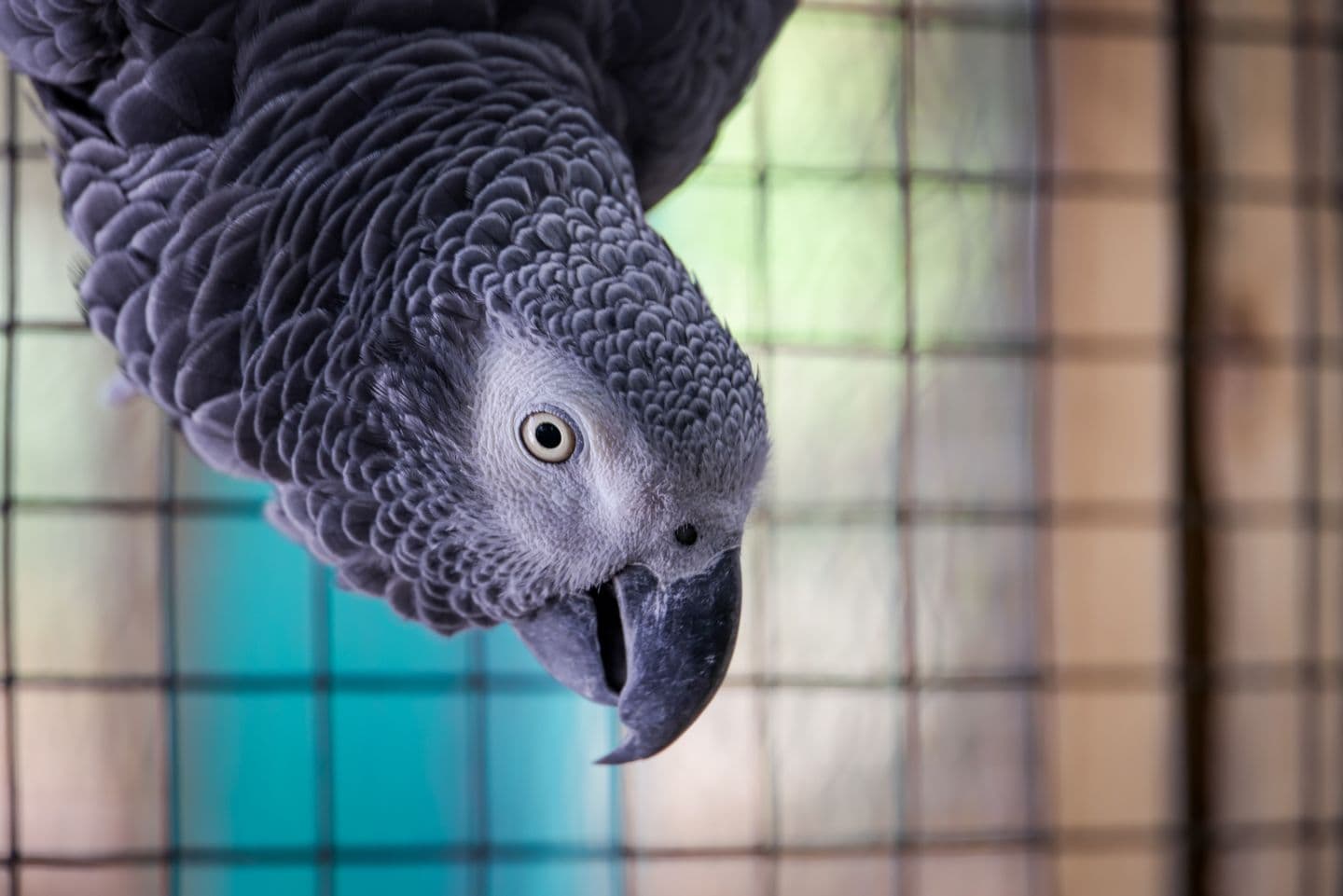
Can Cats and Birds Live Together Safely?
It is possible in many Indian households, but it takes real management, not just hoping for the best.
3 min read
Birds / Breeds
The most commonly kept Pionus species, distinguished by a rich blue head against an otherwise green body.
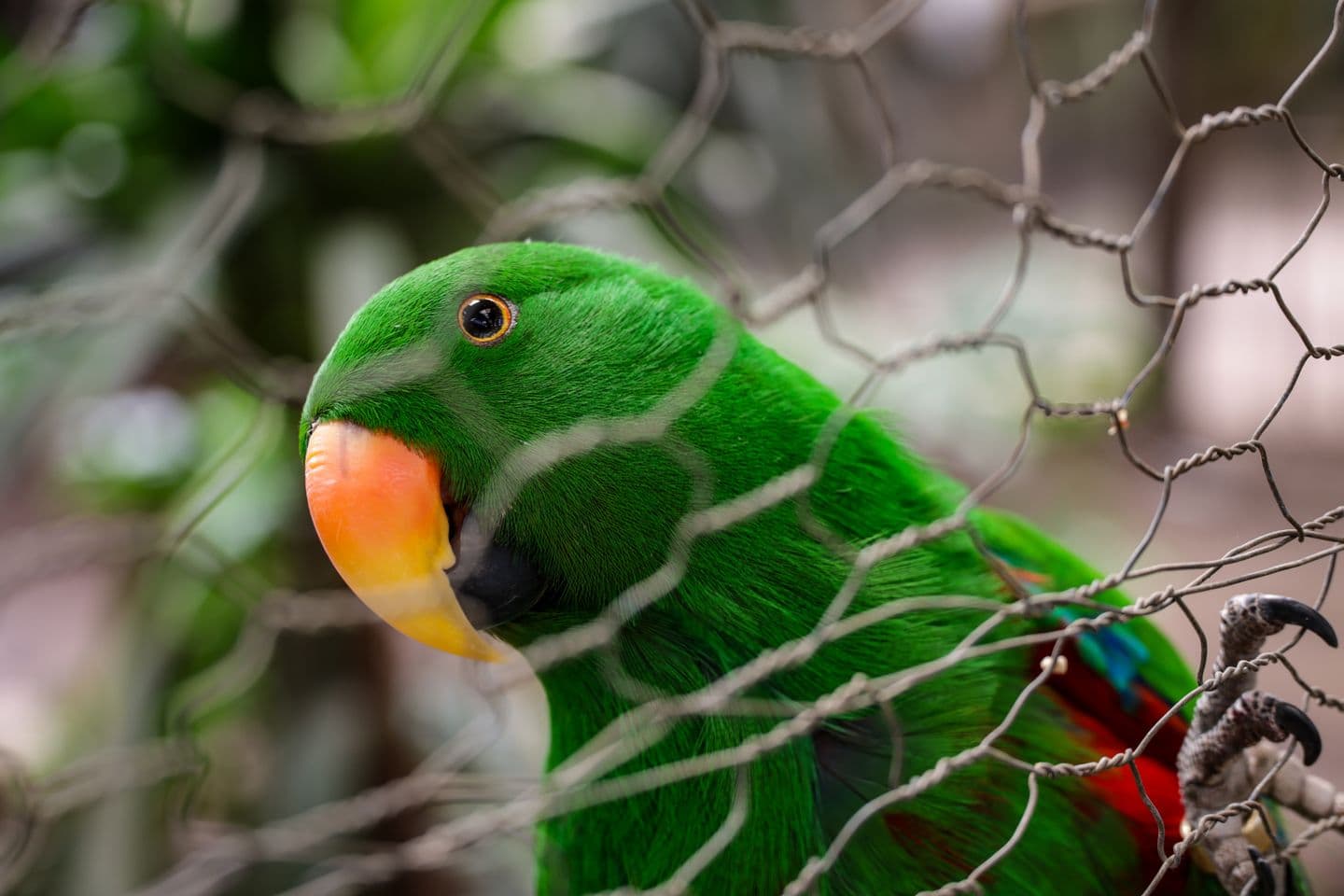
The most commonly kept Pionus species, distinguished by a rich blue head against an otherwise green body.
The blue-headed Pionus is the best-known and most widely kept member of the Pionus genus, easily recognised by the deep blue that covers its head and neck against a predominantly green body, with a splash of red beneath the tail shared across the whole genus.
Calm, steady and generally quieter than many comparably sized parrots, the blue-headed Pionus is well suited to owners who want genuine companionship without the noise or intensity of an Amazon or conure. It is not typically a bird that enjoys rough physical play, preferring gentler interaction, head scratches and simply being near its owner.
A diet built on quality pellets, fresh vegetables and limited fruit, with attention to overall nutritional variety given this genus's known sensitivity to vitamin A deficiency, keeps a blue-headed Pionus in good health.
A roomy cage with daily supervised time outside it, along with a calm, consistent routine, suits this species' easy-going temperament well. It does not need the intense, constant engagement that some more demanding species require, though it still benefits from regular social contact.
The blue-headed Pionus commonly lives 15 years on average, with the potential to reach 25 to 30 years given excellent long-term care.
Male and female blue-headed Pionus look identical, with no reliable visual difference between the sexes. If knowing your bird's sex matters to you, DNA testing through an avian vet or a feather or blood sample sent to a laboratory is the only accurate method, rather than guessing from behaviour or build.
Article content © Ravi Teja. All rights reserved.
Birds / Getting Started
It is possible in many Indian households, but it takes real management, not just hoping for the best.
3 min read
Birds / Health
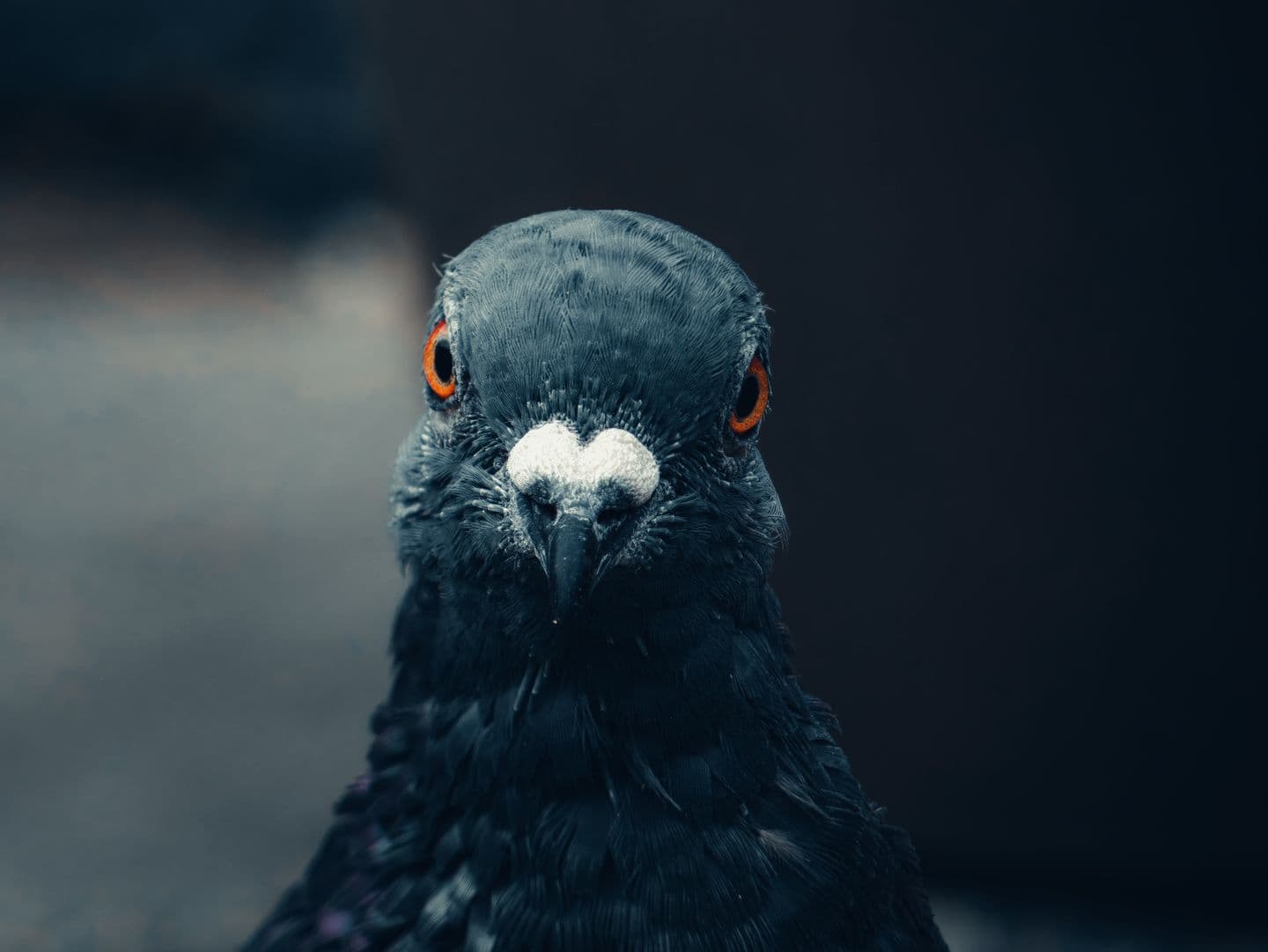
From paratyphoid to a lung condition now worrying doctors in Mumbai and Delhi, here is what every pigeon keeper and balcony feeder in India should know.
4 min read
Birds / Getting Started
Almost every Indian home has a money plant trailing along a shelf or a tulsi pot on the balcony. Most owners never think twice about it until their bird takes an interested peck, so it is worth knowin
3 min read