
Birds / Getting Started
Can Cats and Birds Live Together Safely?
It is possible in many Indian households, but it takes real management, not just hoping for the best.
3 min read
Birds / Breeds
One of the quietest, gentlest parrots you can own, the Bourke's parrot trades flashy noise for soft colour and a genuinely restful presence.
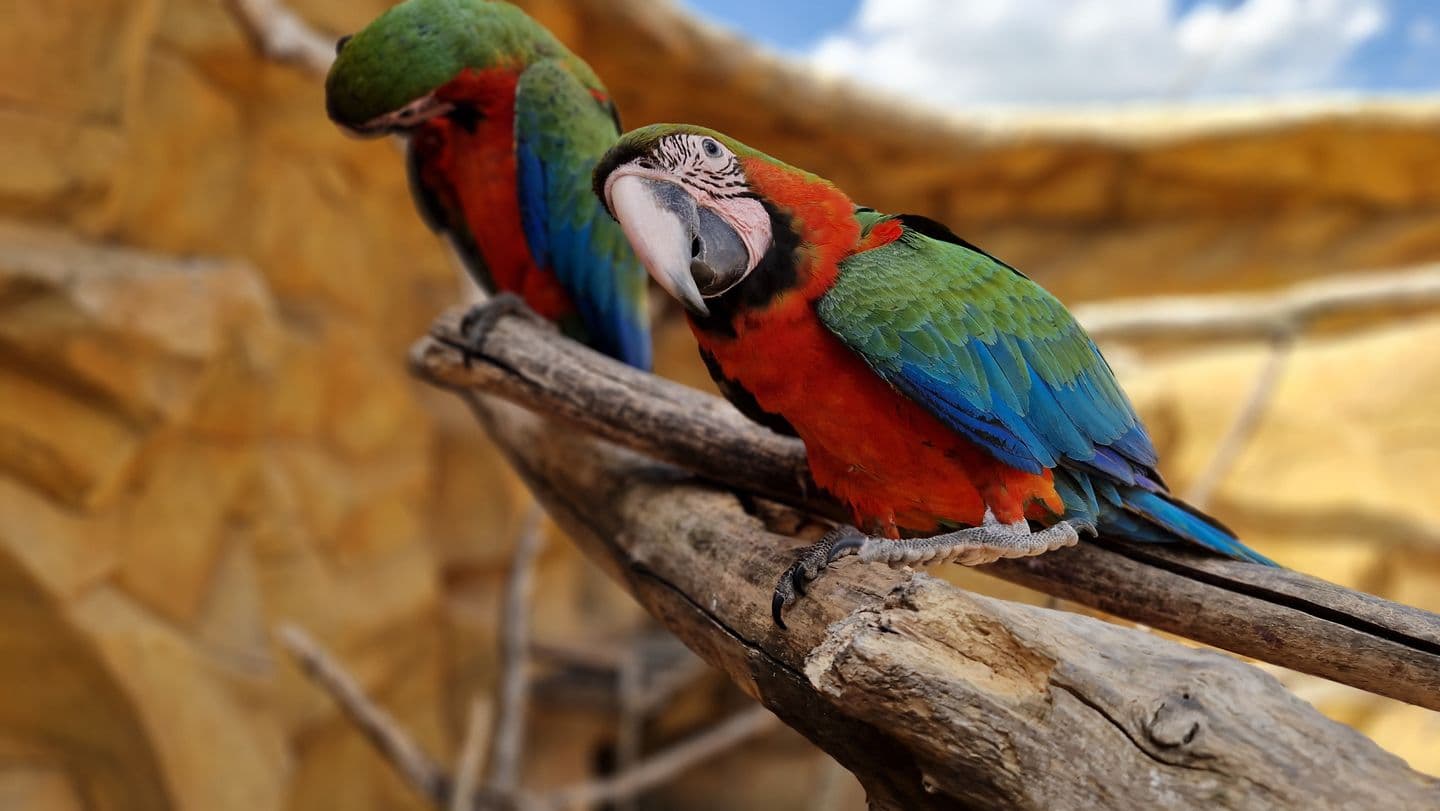
One of the quietest, gentlest parrots you can own, the Bourke's parrot trades flashy noise for soft colour and a genuinely restful presence.
Bourke's parrot is something of a hidden gem among Australian grass parakeets. It rarely gets the attention budgies and cockatiels do, largely because its personality is understated rather than showy, but for anyone who wants a genuinely calm, quiet bird, it is one of the best options available.
Soft shades of dusky pink, blue and brown make up the Bourke's parrot's understated but genuinely lovely colouring. Gentle, non-aggressive and easy-going, this species gets along well with other calm birds, including budgies, cockatiels and peaceful finches, in a shared aviary. Its most distinctive trait is being crepuscular rather than strictly diurnal: a Bourke's parrot spends much of the day resting quietly, then becomes noticeably more active and vocal around dawn and dusk. Its ability to learn tricks or words is limited compared to larger parrots, but its calm nature more than makes up for it in households that want a peaceful companion.
A diet built around a quality seed mix formulated for grass parakeets or budgies, supplemented with fresh vegetables, leafy greens and occasional fruit such as apple, pear or banana, suits this species well. They also enjoy an enthusiastic bath and will happily use a shallow bathing dish or accept a gentle misting.
Bourke's parrots do best in as large a cage or aviary as can be managed, since they do not thrive in cramped quarters and appreciate horizontal space for flight. They are not generally destructive birds, so a well-planted aviary suits them nicely, though their dawn and dusk activity can occasionally disturb quieter aviary companions trying to settle.
Bourke's parrots typically live 10 to 15 years, with some individuals reaching 20 to 25 years given excellent care.
Bourke's parrots show a genuinely useful visual difference between the sexes once they reach adulthood: males develop a blue-brown crown, while females retain a paler, whitish crown. Young birds of both sexes hatch with a fully grey head and only develop these adult markings after fledging, so, as with many parakeets, sexing a very young bird by colour alone is unreliable until it matures.
This is an excellent choice for apartment living, for households with small children who want a docile, unlikely-to-bite bird, or simply for anyone who has found the noise level of budgies or cockatiels more than they bargained for. It is a poor choice for anyone specifically wanting a talking or highly trainable bird.
Article content © S Vejay Anand. All rights reserved.
Birds / Getting Started
It is possible in many Indian households, but it takes real management, not just hoping for the best.
3 min read
Birds / Health
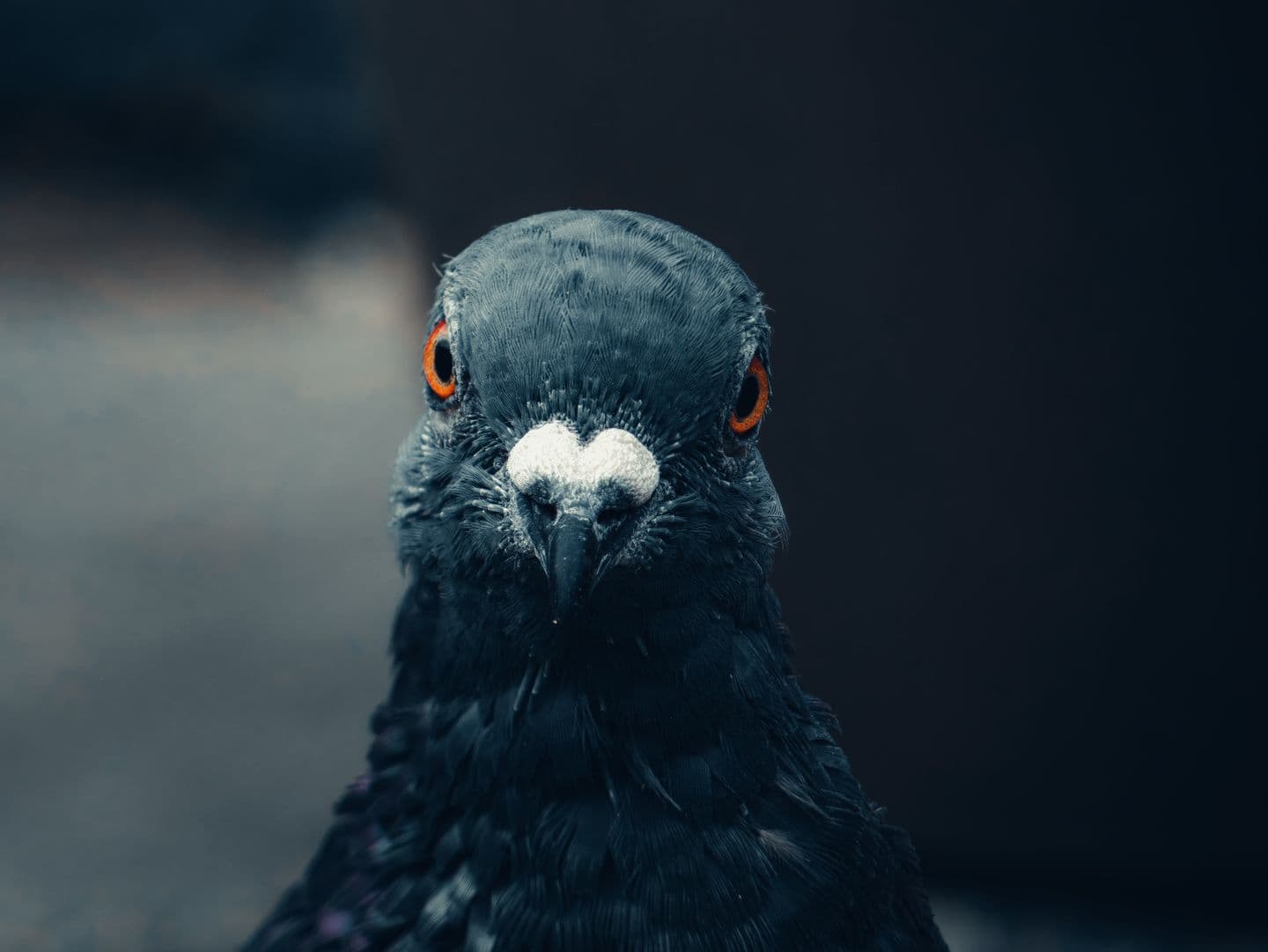
From paratyphoid to a lung condition now worrying doctors in Mumbai and Delhi, here is what every pigeon keeper and balcony feeder in India should know.
4 min read
Birds / Getting Started
Almost every Indian home has a money plant trailing along a shelf or a tulsi pot on the balcony. Most owners never think twice about it until their bird takes an interested peck, so it is worth knowin
3 min read