
Birds / Getting Started
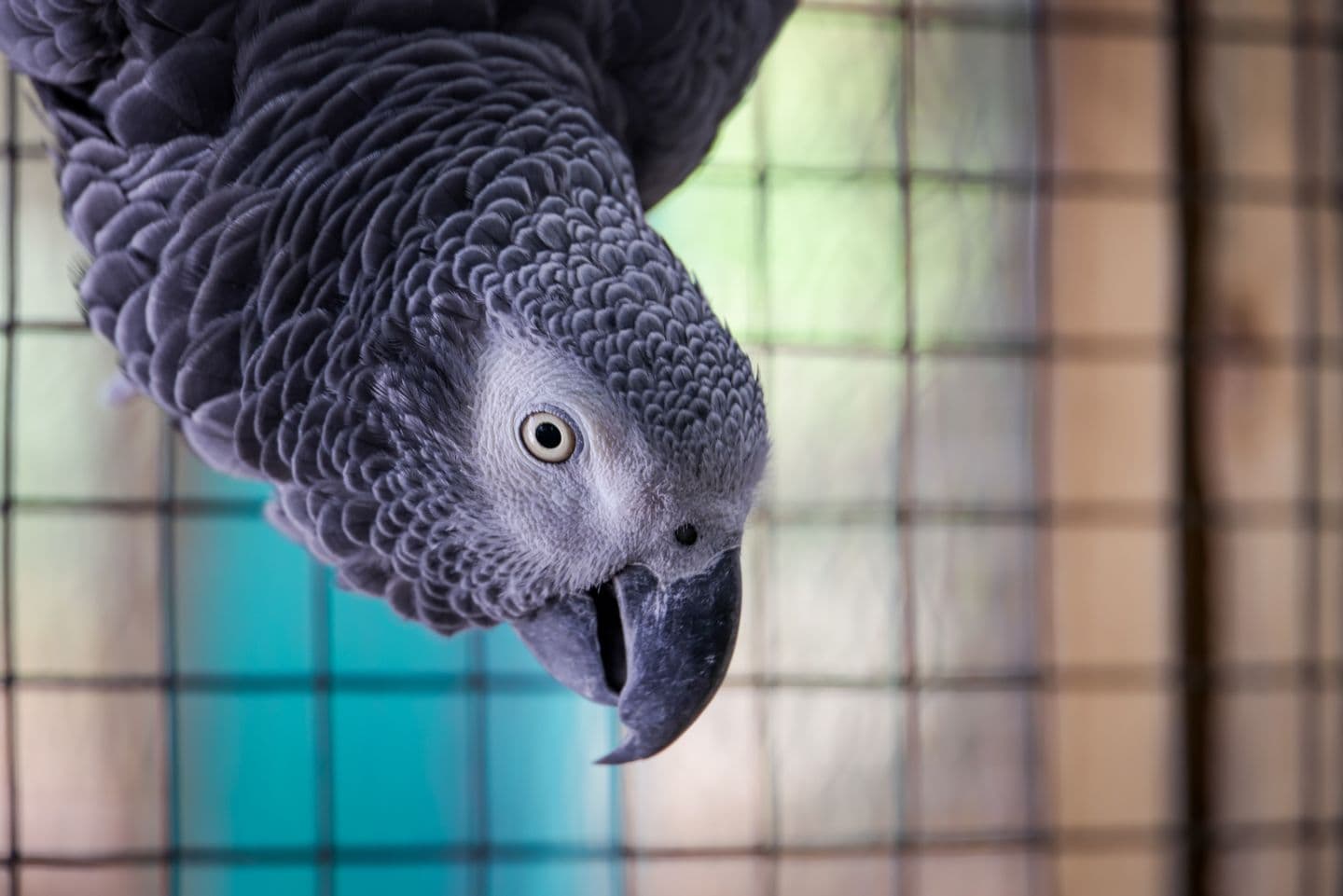
Can Cats and Birds Live Together Safely?
It is possible in many Indian households, but it takes real management, not just hoping for the best.
3 min read
Birds / Breeds
Small, endlessly energetic and famous for a signature hopping walk, caiques bring genuine comedy to the parrot world.
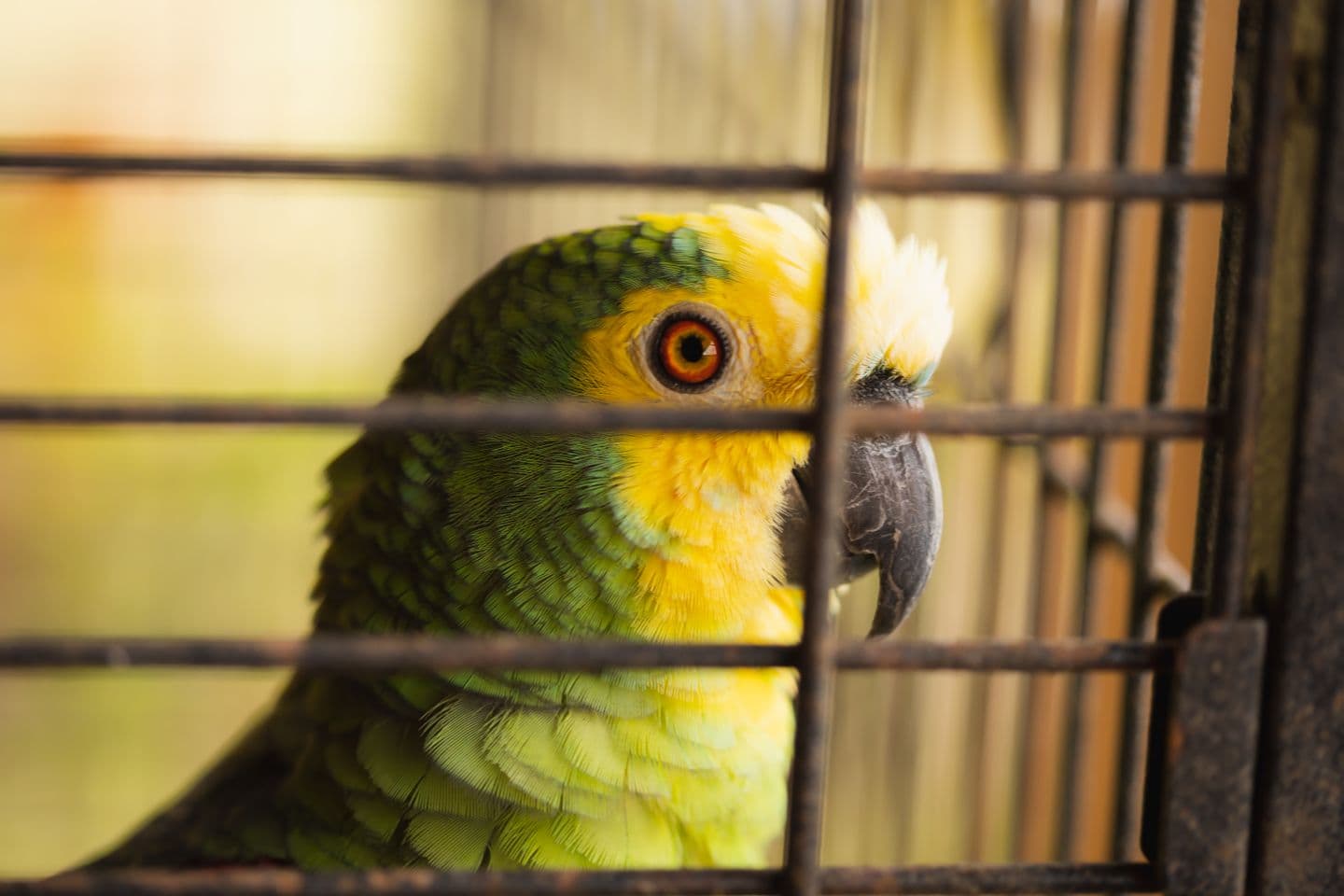
Small, endlessly energetic and famous for a signature hopping walk, caiques bring genuine comedy to the parrot world.
Caiques are often described as the clowns of the parrot world, and it is not hard to see why: these small, stocky South American parrots are almost constantly in motion, hopping, bouncing and tumbling around their cage with an energy level that sets them apart from most other parrots their size.
Caiques are bold, inquisitive and highly active, with a distinctive habit of hopping rather than walking and a tendency to roll onto their backs during play. They are intelligent and entertaining companions, but also strong-willed with a tendency to nip, and their high-pitched voice can be genuinely piercing when excited. Caiques do best with firm, consistent, patient training from an experienced or well-informed owner.
A diet built on quality pellets or seed mix, supplemented generously with fresh fruit, suits caiques well, since they are particularly enthusiastic fruit eaters compared to some other parrot species.
Caiques need a secure cage free of gaps they might squeeze into given their curious, exploratory nature, plenty of natural branches and enrichment for their enthusiastic chewing, and frequent bathing opportunities, which most caiques thoroughly enjoy. Companionship, whether from their owner or a compatible bird introduced carefully, matters significantly to this social species.
Caiques commonly live around 27 to 40 years with good care, occasionally longer, a substantial long-term commitment for such a small, energetic bird.
Caiques are generally hardy, but their high energy and strong will mean behavioural issues, particularly nipping and territorial aggression around the cage, are more often the practical challenge than physical illness. Feather plucking can develop if this active species is under-stimulated. As with other parrots, a seed-heavy diet without enough fresh fruit and vegetables leads to nutritional deficiencies over time.
Article content © Ravi Teja. All rights reserved.
Birds / Getting Started
It is possible in many Indian households, but it takes real management, not just hoping for the best.
3 min read
Birds / Health
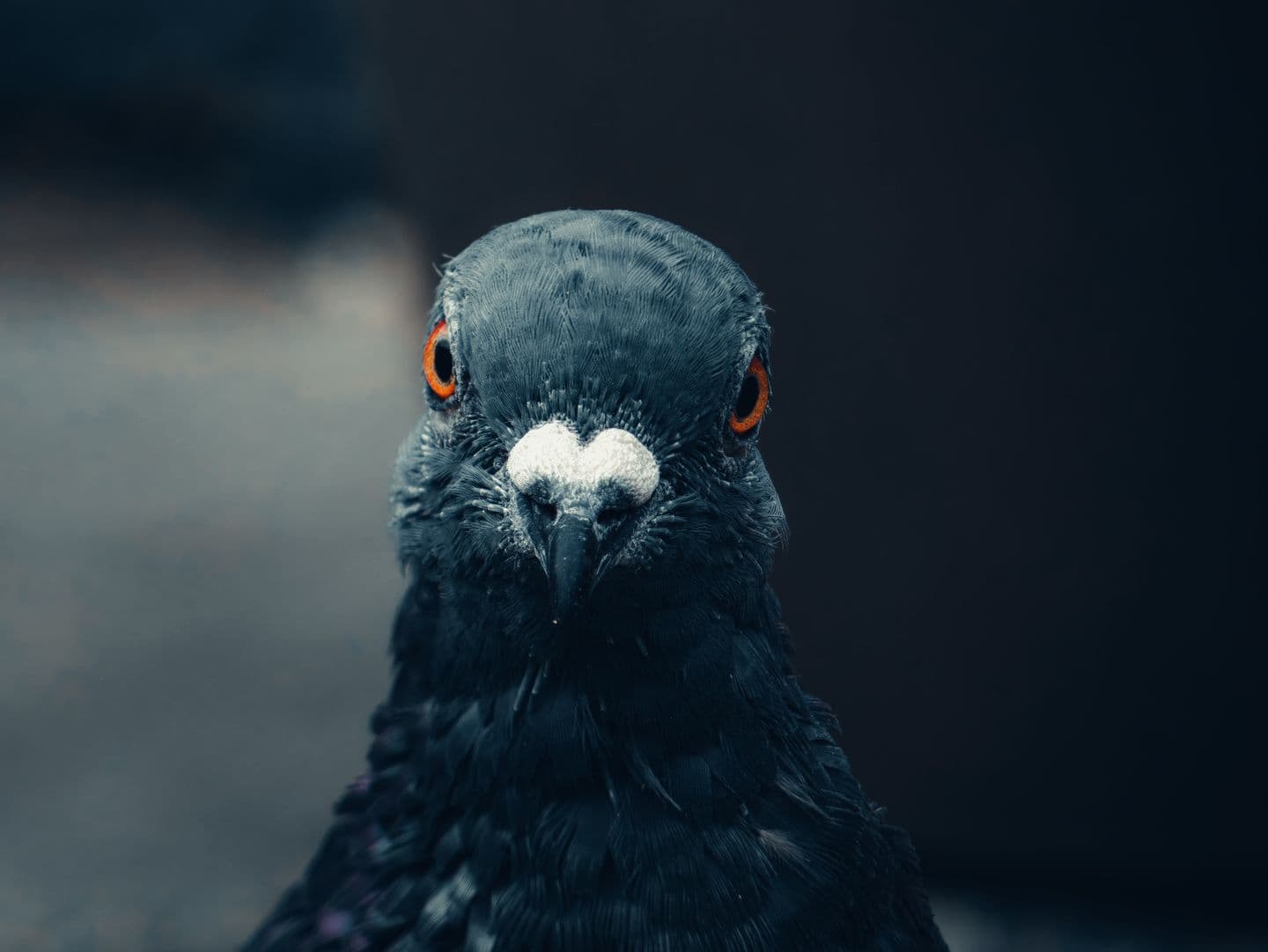
From paratyphoid to a lung condition now worrying doctors in Mumbai and Delhi, here is what every pigeon keeper and balcony feeder in India should know.
4 min read
Birds / Getting Started
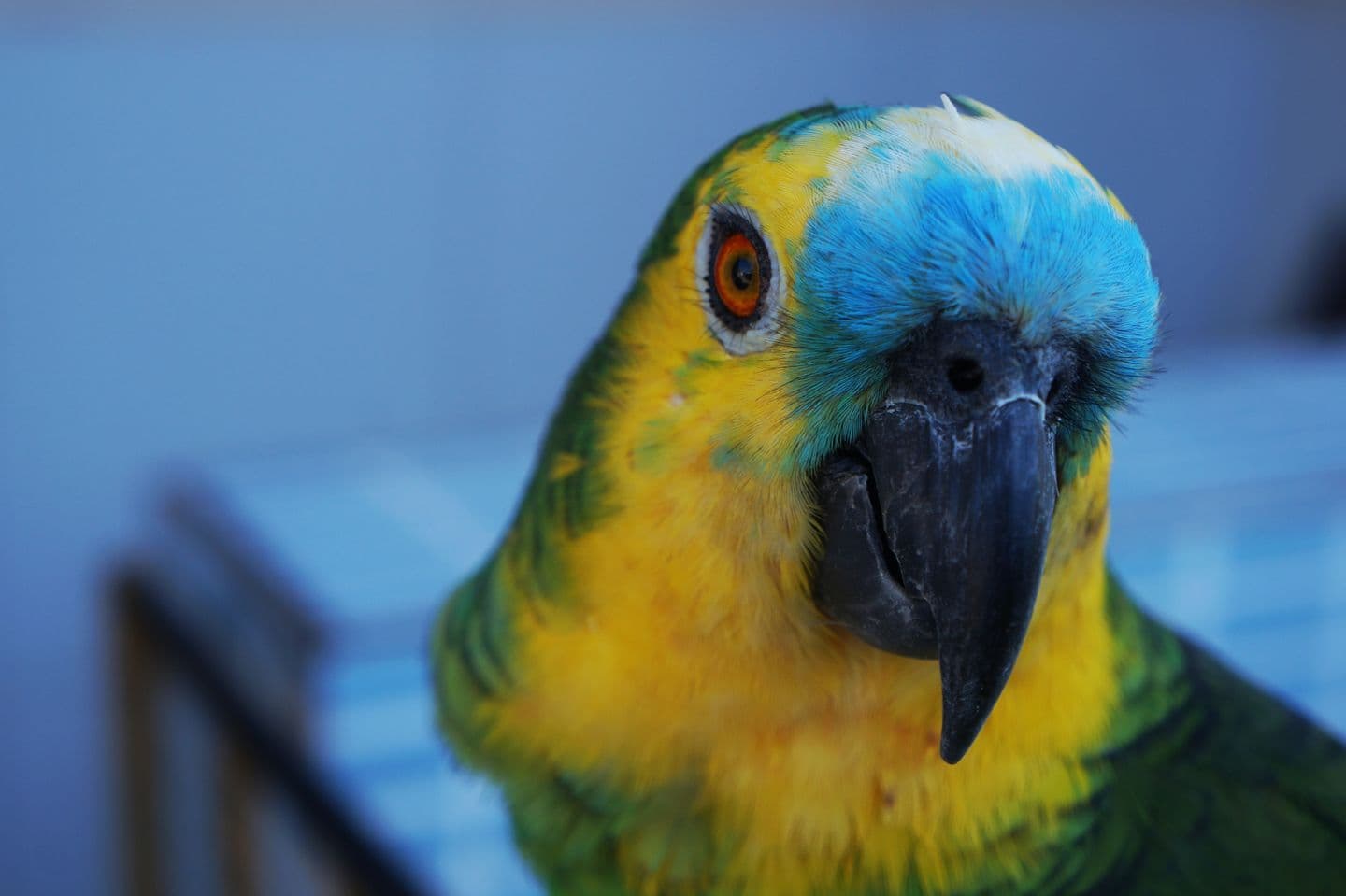
Almost every Indian home has a money plant trailing along a shelf or a tulsi pot on the balcony. Most owners never think twice about it until their bird takes an interested peck, so it is worth knowin
3 min read