
Birds / Getting Started
Can Cats and Birds Live Together Safely?
It is possible in many Indian households, but it takes real management, not just hoping for the best.
3 min read
Birds / Breeds
No pet bird has been prized for its song for longer than the canary, and it remains one of the most genuinely low-contact companions you can keep.
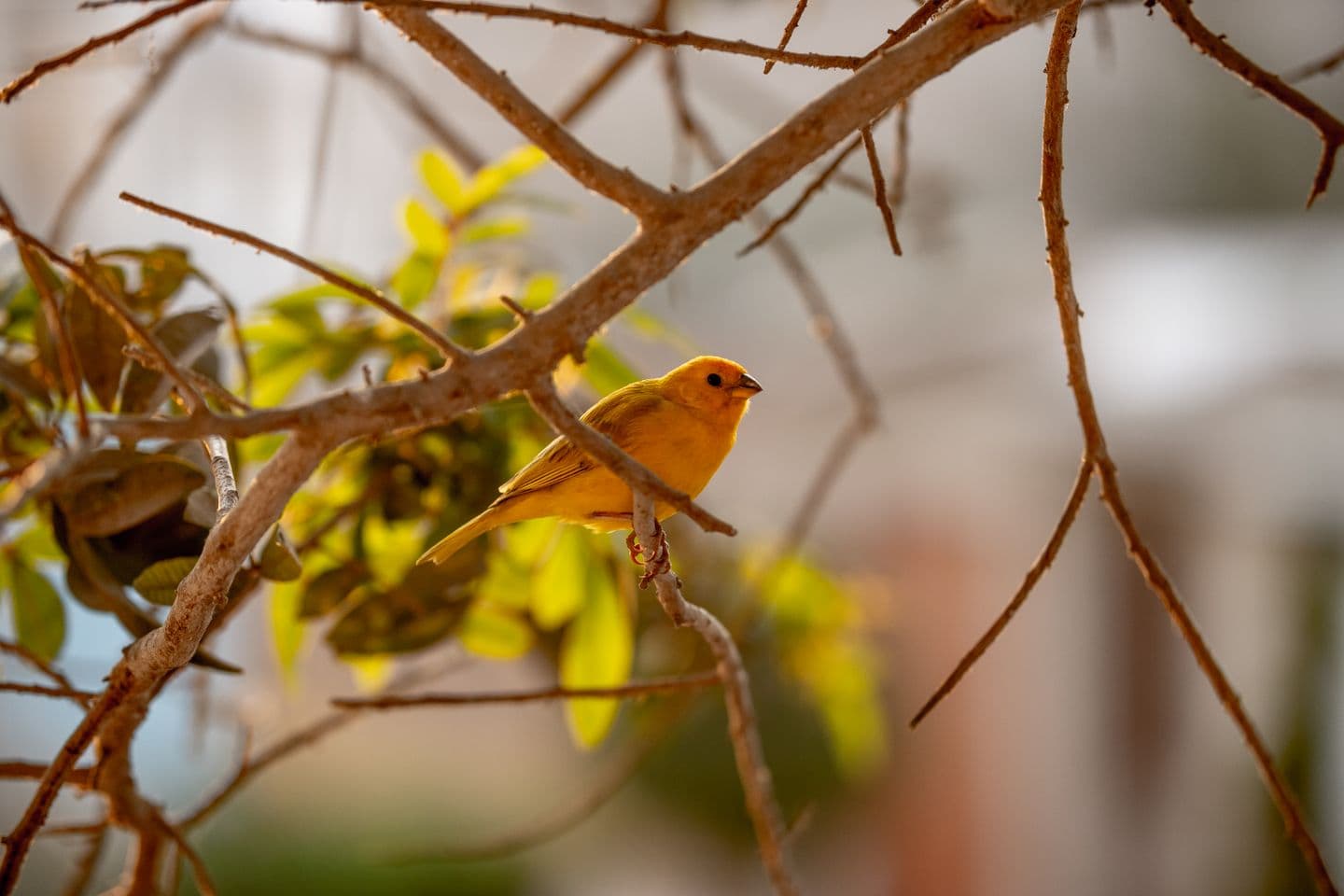
No pet bird has been prized for its song for longer than the canary, and it remains one of the most genuinely low-contact companions you can keep.
Originating from the Canary Islands, Azores and Madeira, the canary has been a favourite among bird keepers for centuries, bred over that time into more than 200 recognised varieties, each historically prized for a particular song style, colour or shape. It remains one of the most reliably peaceful, hands-off pet birds available today.
Male canaries are known for their melodious, sustained song, while females chirp more softly and far less frequently. Canaries are not birds that seek out or particularly enjoy handling, and most owners appreciate them for their song, colour and gentle presence rather than direct interaction. Over time, a canary will come to recognise its owner's voice and presence, even without ever wanting to be picked up.
A base of good-quality canary seed mix or pellets, supplemented with fresh leafy greens, vegetables such as carrot and broccoli, limited fresh fruit, and an occasional egg-food supplement during breeding or a heavy moult, covers a canary's nutritional needs well. A cuttlebone or mineral block should be available for calcium and beak maintenance.
Canaries need a cage that prioritises width over height, since they are active fliers rather than climbers, ideally at least 18 by 18 by 24 inches for a single bird, with bar spacing no more than half an inch. They do best in a quiet, draft-free spot with natural light but no direct, prolonged sun, and appreciate a stable, moderate temperature and humidity.
Canaries typically live 10 to 15 years, with some individuals reaching into their twenties given excellent care, a genuinely long commitment for such a small, low-maintenance bird.
Respiratory problems, mite infestations and feather plucking are among the more common issues affecting canaries. Because they are small and can decline quickly, any sign of laboured breathing, fluffed lethargy or reduced singing in a normally vocal male warrants a prompt avian vet visit rather than a wait-and-see approach.
Centuries of selective breeding have split canaries into three broad purpose-bred groups. Song canaries, such as the well-known Roller and Waterslager, have been bred specifically for the quality and structure of the male's song. Colour canaries, including the Red Factor, are bred primarily for vivid, consistent plumage colour, sometimes with diet supplements used to intensify red tones. Type canaries, such as the Yorkshire or Gloster, are bred for a specific body shape or posture rather than song or colour. None of this changes the basic care a canary needs, but it is worth knowing which category you are looking at if a particular quality, a stronger song in particular, is the main reason you want a canary.
Article content © S Vejay Anand. All rights reserved.
Birds / Getting Started
It is possible in many Indian households, but it takes real management, not just hoping for the best.
3 min read
Birds / Health
From paratyphoid to a lung condition now worrying doctors in Mumbai and Delhi, here is what every pigeon keeper and balcony feeder in India should know.
4 min read
Birds / Getting Started
Almost every Indian home has a money plant trailing along a shelf or a tulsi pot on the balcony. Most owners never think twice about it until their bird takes an interested peck, so it is worth knowin
3 min read