
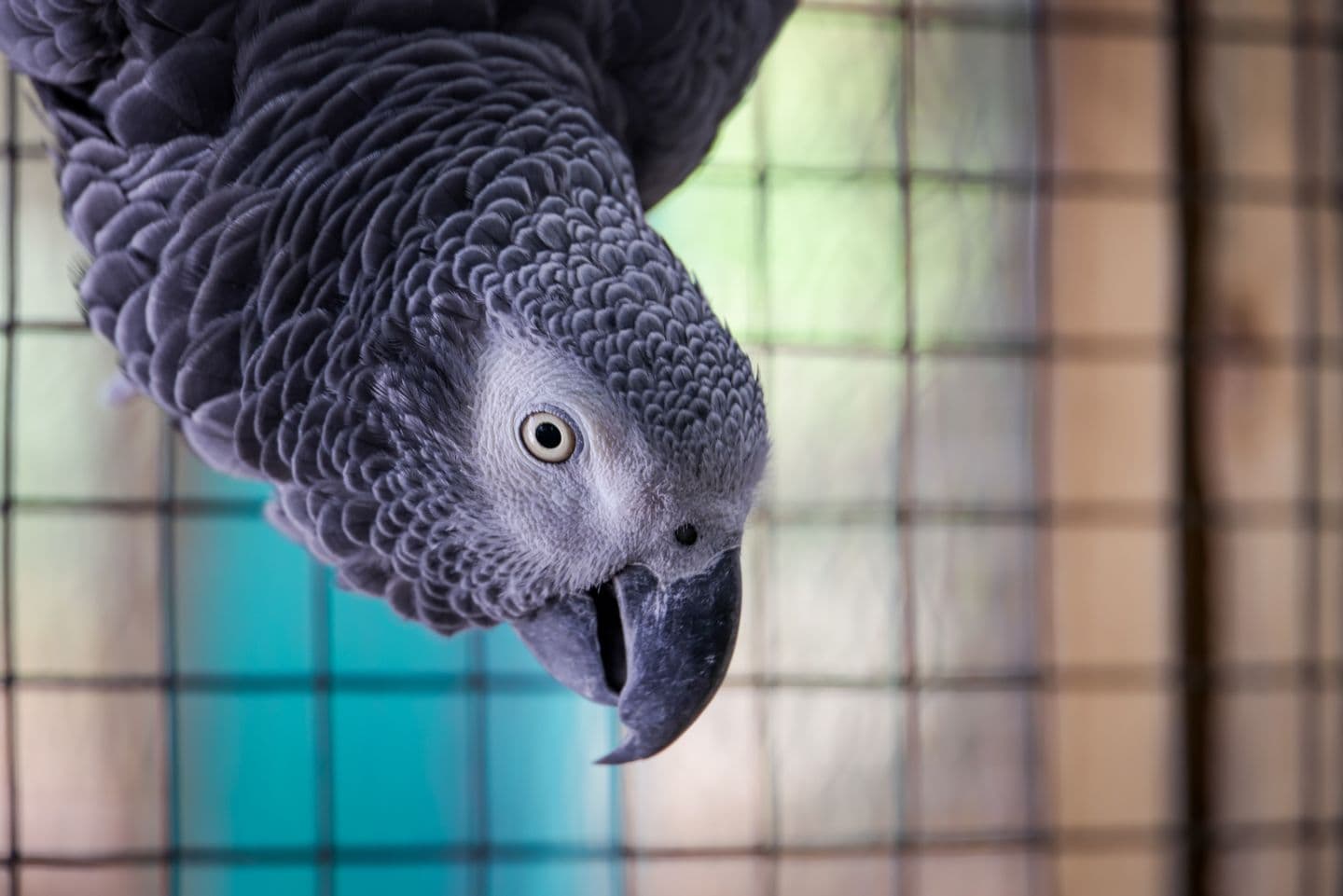
Birds / Getting Started
Can Cats and Birds Live Together Safely?
It is possible in many Indian households, but it takes real management, not just hoping for the best.
3 min read
Birds / Breeds
One of the smallest doves in aviculture, with a distinctive red eye-ring and a gentle, unobtrusive presence.
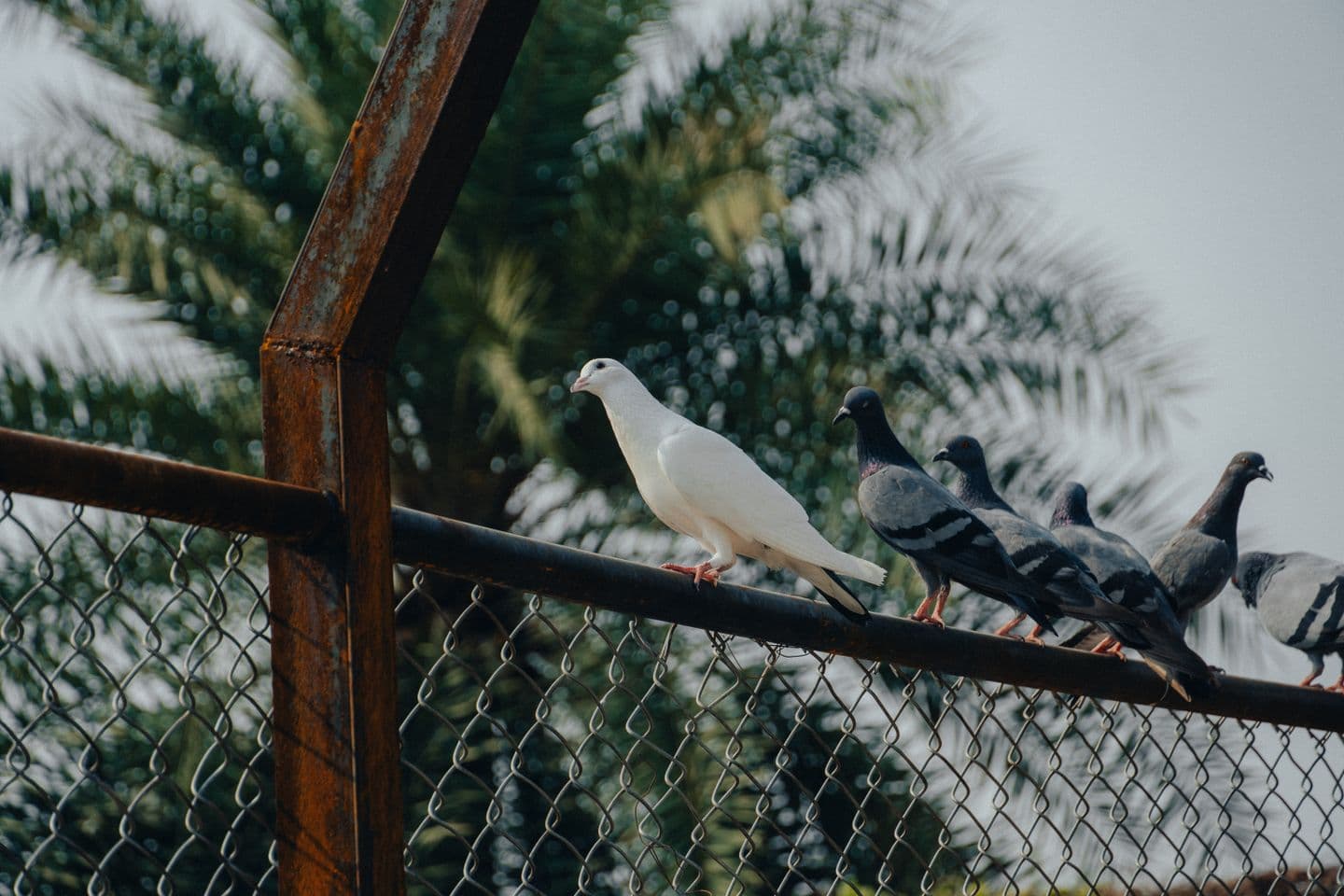
One of the smallest doves in aviculture, with a distinctive red eye-ring and a gentle, unobtrusive presence.
The diamond dove stands out among pet doves for its small size and the striking red ring around each eye, a small detail that gives an otherwise soft grey-brown bird real character. It shares the same fundamentally calm, low-drama temperament as other doves covered elsewhere in this series.
Diamond doves are gentle, quiet and, unless purchased already hand-fed or hand-raised from a chick, generally not birds that seek out or want direct interaction with their owner. They are content to be observed rather than handled, and their soft cooing is one of the more soothing sounds a bird owner can have in the house.
A good seed mixture supplemented with fresh greens and soft fruit suits diamond doves well, along with grit, since like other doves they swallow seed whole rather than shelling it. A cooked egg or egg food supplement during breeding supports the extra nutritional demand.
As diamond doves may spend most or all of their time in the cage rather than free-flying around a room, providing as much space as practically possible matters more than it might for a bird that gets regular supervised time out. A hen that cannot get enough exercise within the cage is at greater risk of becoming egg bound, so cage size is a genuine welfare consideration, not just a comfort one.
Diamond doves typically live up to 10 years with proper care, a moderate commitment that suits owners wanting a calm bird without the multi-decade timeline of a parrot.
Article content © S Vejay Anand. All rights reserved.
Birds / Getting Started
It is possible in many Indian households, but it takes real management, not just hoping for the best.
3 min read
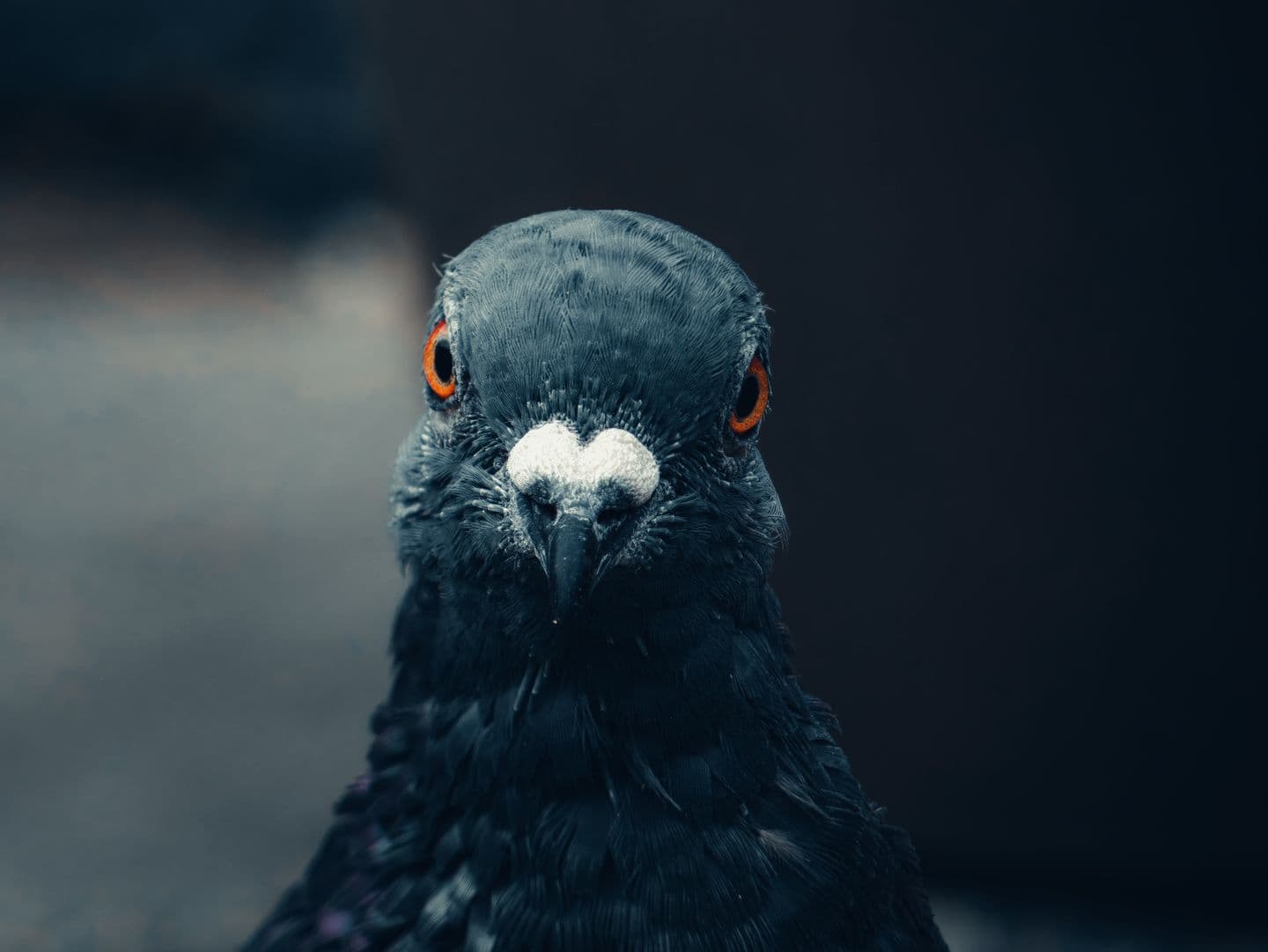
Birds / Health
From paratyphoid to a lung condition now worrying doctors in Mumbai and Delhi, here is what every pigeon keeper and balcony feeder in India should know.
4 min read
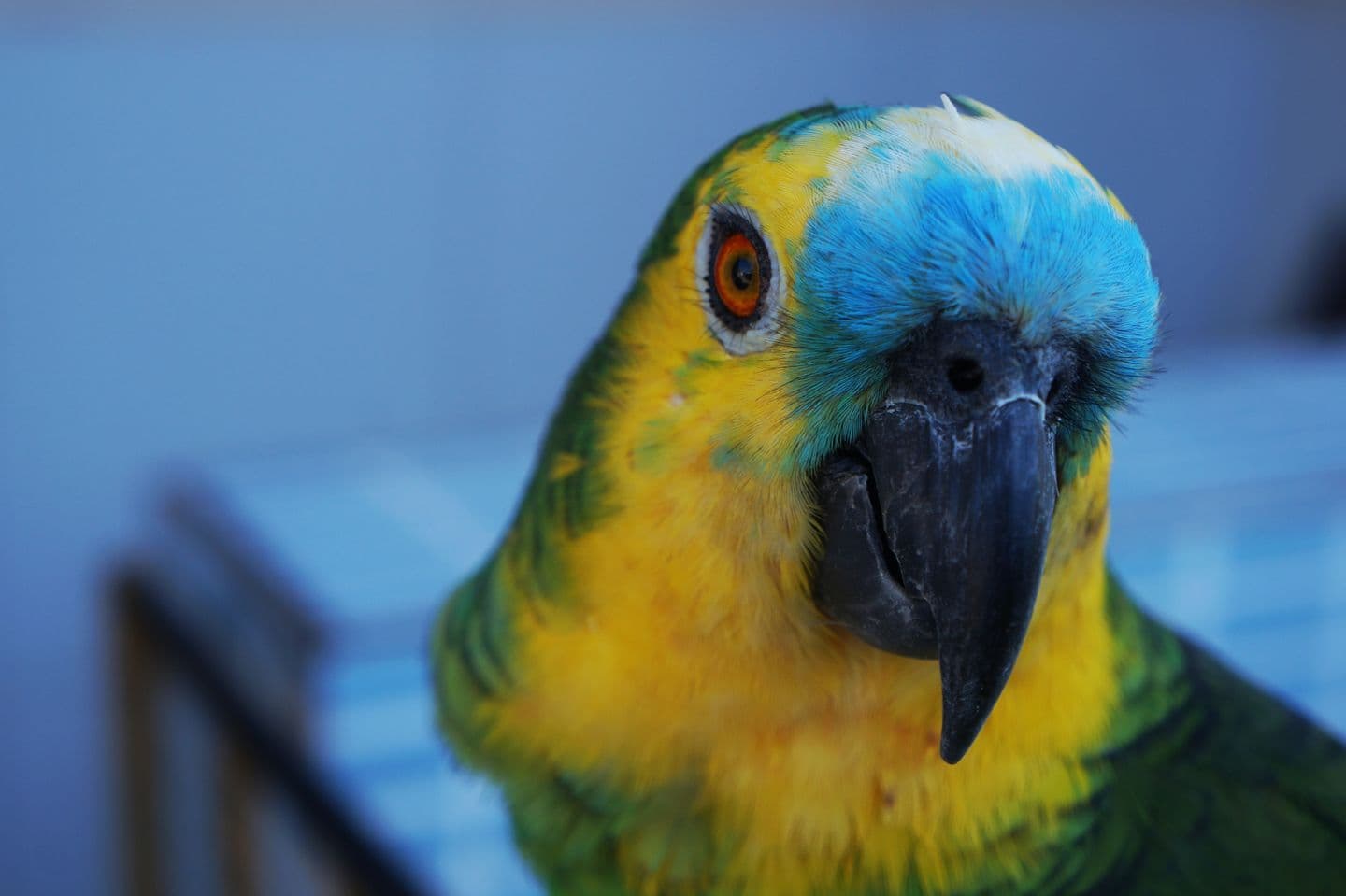
Birds / Getting Started
Almost every Indian home has a money plant trailing along a shelf or a tulsi pot on the balcony. Most owners never think twice about it until their bird takes an interested peck, so it is worth knowin
3 min read